
No products added!
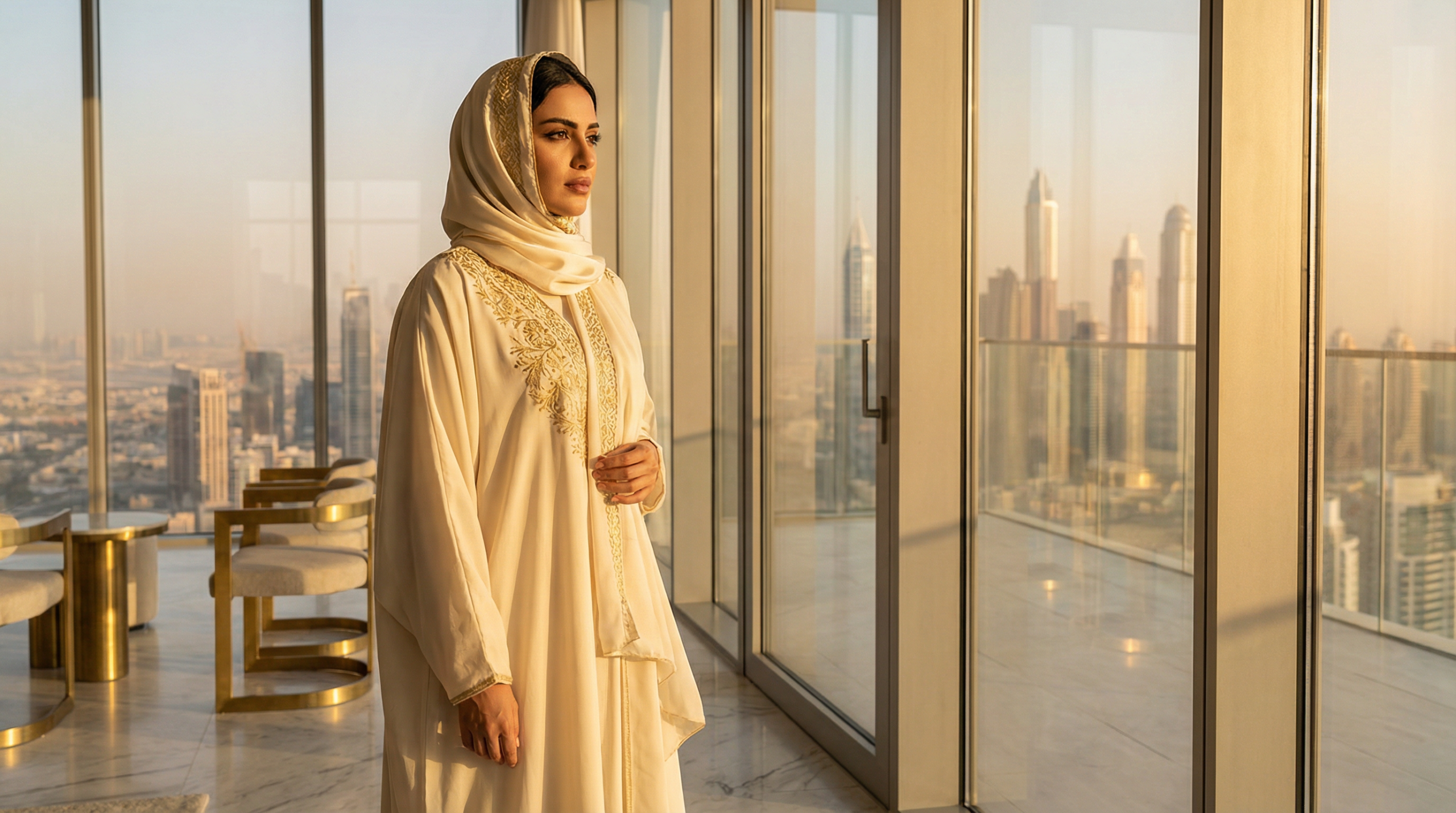

The conversation around modest fashion has shifted dramatically. What was once dismissed as a niche market has evolved into a sophisticated movement that commands respect on international runways and in boardrooms across the GCC. But as we step into 2026, the real power lies not in following trends, but in understanding the deeper value of sustainable, ethically-crafted pieces that honor both heritage and conscience.
The Evolution of Modest Fashion: From Tradition to Conscious Choice
Modest fashion in the Middle East has always carried cultural weight, but today’s generation approaches it with fresh intentionality. The choice to dress modestly is no longer simply about adhering to tradition—it’s an active decision that reflects personal values, spiritual connection, and increasingly, environmental consciousness.
This evolution mirrors global shifts in consumer behavior. Fashion-conscious women across Dubai, Riyadh, and Abu Dhabi are asking harder questions about their purchases: Who made this garment? What impact does it have on the planet? Will it remain relevant beyond this season?
These aren’t fleeting concerns. They represent a fundamental restructuring of how luxury and value are defined in 2026.
Weaving Sustainability: Ethical Practices in Modest Fashion Production
The modest fashion industry has a unique advantage when it comes to sustainability. Traditional silhouettes—the flowing abaya, the elegant kaftan, the structured jalabiya—are inherently timeless. These designs don’t chase seasonal whims; they’ve remained elegant for generations and will continue to do so.
Ethical production in this space focuses on several key areas. Organic fabrics like Egyptian cotton, sustainable silk, and innovative materials derived from natural sources are increasingly replacing synthetic alternatives. Fair labor practices ensure that the skilled artisans creating hand-embroidered details and intricate beadwork receive proper compensation and work in safe conditions.
The true luxury lies in transparency. When you invest in a sustainably-produced piece, you’re not just buying fabric and thread—you’re supporting entire communities of craftspeople who’ve perfected their art over decades. This creates a ripple effect of positive impact that extends far beyond your wardrobe.
The Art of Scent: Sustainable Perfumery and Gemstone Infusions
Luxury perfumery in the GCC has always been an art form, but sustainable practices are elevating it to new heights. Traditional methods of extracting oud, rose, and amber—ingredients central to Arabian fragrance culture—can be adapted to minimize environmental impact while preserving authenticity.
Gemstone-infused perfumes represent a fascinating intersection of tradition and innovation. The practice of incorporating crushed precious stones or energetically-charged crystals into fragrances isn’t new in Middle Eastern culture, but modern sustainable approaches ensure these materials are ethically sourced and responsibly harvested.
The creation process itself becomes a meditation on patience and quality. Instead of mass-producing synthetic fragrances, artisanal perfumers age their blends, allowing notes to mature and harmonize naturally. This slow approach yields complex, long-lasting scents that develop uniquely on each wearer’s skin.
Cultural Resonance: The Enduring Value of Authentic Craftsmanship
There’s profound wisdom in the Arabic principle of "itqan"—the pursuit of excellence and perfection in one’s work. This concept resonates deeply when applied to sustainable fashion and fragrance. A garment or perfume created with itqan isn’t disposable; it’s designed to become part of your legacy.
Authentic craftsmanship carries cultural memory. The needle techniques used in traditional embroidery, passed down through generations of artisans, tell stories of heritage and identity. When you choose pieces created with these methods, you’re preserving endangered art forms and ensuring they continue into the future.
This cultural dimension transforms consumption from a purely economic transaction into an act of preservation and respect.
Beyond the Hype: Building a Timeless & Impactful Wardrobe for 2026 and Beyond
Making sustainable choices in 2026 means rejecting the pressure of constant consumption. The power move isn’t owning more—it’s owning better. Quality over quantity becomes not just a slogan but a practiced philosophy.
Start by auditing your current wardrobe. Identify pieces you reach for repeatedly and understand why they work. Often, these are items with classic cuts, neutral colors, and high-quality construction. Use this insight to guide future purchases toward similar longevity.
Consider cost-per-wear rather than upfront price. A sustainably-made abaya might cost more initially, but if you wear it weekly for five years, its true value far exceeds a cheaper alternative that lasts one season.