
No products added!
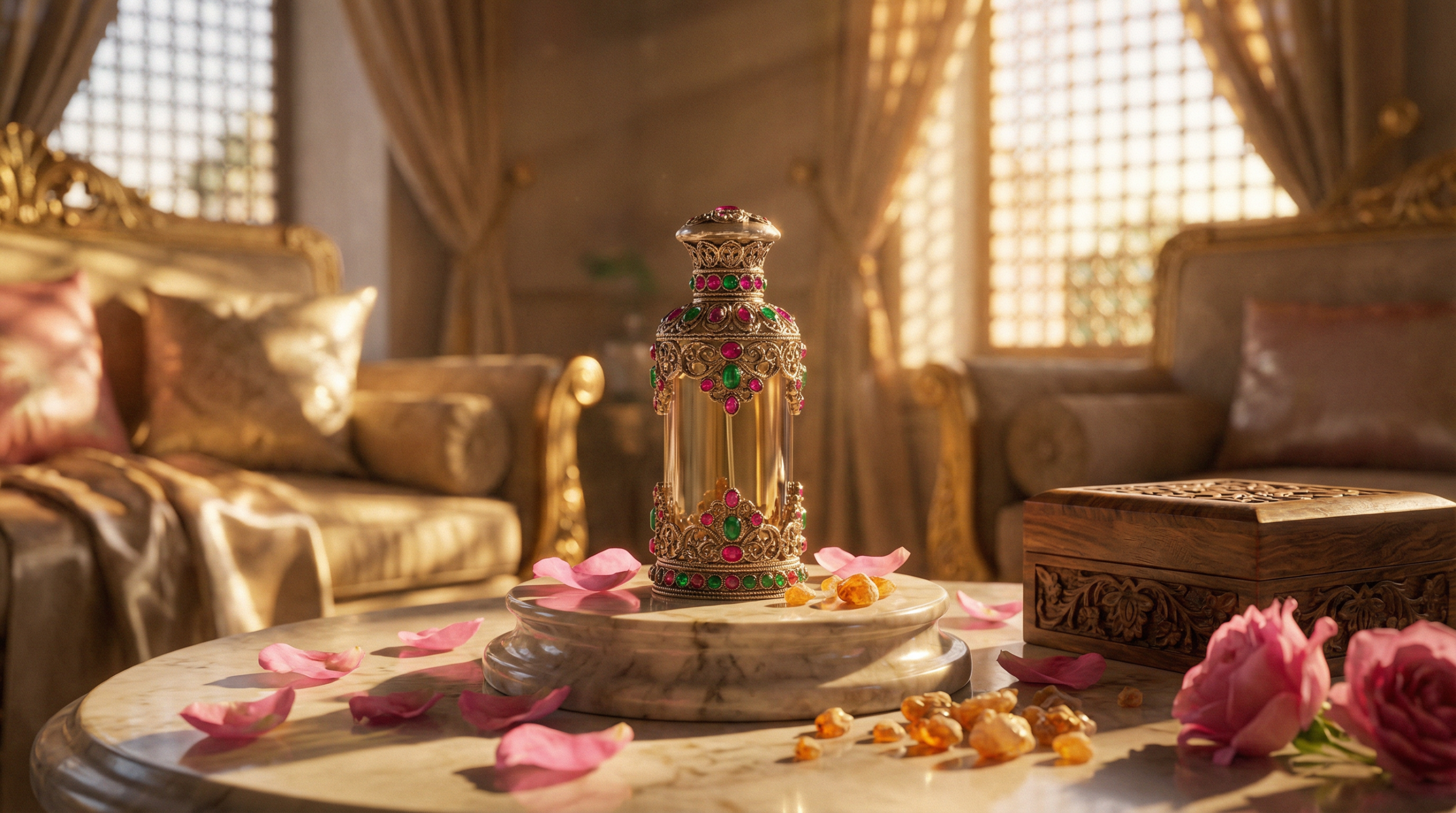

The fragrance landscape across the GCC has always been a testament to cultural pride and sensory sophistication. Yet as we navigate through 2026, a remarkable transformation is unfolding—one that honors ancestral traditions while embracing global innovation. This evolution, often termed East-West perfumery, represents far more than a passing trend. It signals a profound shift in how fragrance creation reflects the modern Gulf identity.
The Enduring Legacy: Roots of Oriental Perfumery in the GCC
For centuries, the Arabian Peninsula has been synonymous with extraordinary perfumery. Oud, that precious resinous wood, has been treasured in the region for over 3,000 years, burned in homes and worn on skin as a mark of hospitality and refinement. Amber, musk, and rose have similarly woven themselves into the fabric of daily life and special occasions.
These ingredients weren’t merely chosen for their beauty. They carried spiritual significance, reflected climatic considerations, and demonstrated wealth and status. Traditional attar-making, passed down through generations, involved meticulous distillation processes that could take months to perfect a single essence.
This historical foundation remains deeply relevant. Even as perfumery evolves, these cornerstone ingredients continue to anchor contemporary creations, providing a cultural touchstone that resonates with GCC consumers on an emotional level.
A Symphony of Scents: Understanding East-West Fusion in Modern Fragrances
The fusion happening in 2026 goes beyond simple blending. Master perfumers are creating sophisticated dialogues between traditions—pairing the depth of oud with the lightness of French lavender, or balancing the intensity of amber with delicate Italian bergamot.
Western perfumery has long excelled in creating structured compositions with distinct top, heart, and base notes. These techniques, when applied to traditional Middle Eastern ingredients, unlock new dimensions of complexity. The result is fragrances that open with unexpected brightness yet settle into familiar, comforting warmth.
This synthesis appeals particularly to younger GCC consumers who navigate multiple cultural spheres daily. These individuals seek fragrances that reflect their multifaceted identities—rooted in heritage yet globally fluent.
Key Ingredients & Craftsmanship: Bridging Traditional & Contemporary Notes
The alchemy of East-West perfumery relies on masterful ingredient selection. Traditional oud from Cambodia or India now shares compositions with contemporary gourmand notes like vanilla and caramel. Rose de Mai from Grasse finds harmony with locally-harvested damask rose. Incense and myrrh meet modern synthetics that extend longevity without overwhelming.
Craftsmanship has evolved dramatically. Advanced extraction methods preserve delicate nuances that older techniques might have missed. Sustainable sourcing has become paramount, with responsible oud harvesting and ethical musk alternatives gaining prominence.
The GCC market demands exceptional quality, and perfumers have responded by elevating both raw materials and production methods. Molecular distillation, CO2 extraction, and enfleurage techniques are all employed to capture the purest essence of each component.
Innovation & Aspiration: What Drives the ‘New Guard’ in GCC Perfumery?
Several forces propel this movement forward. The region’s growing population of educated, well-traveled consumers expects sophistication that matches their global outlook. They appreciate craftsmanship stories and seek fragrances that offer narrative depth.
Technology plays a crucial role. AI-assisted scent profiling helps perfumers predict how complex blends will evolve on skin. Climate-controlled aging facilities ensure consistency. Some innovators are even exploring gemstone-infused oils, believing precious stones can influence a fragrance’s energetic properties and longevity.
Social media has democratized perfume knowledge, creating communities of fragrance enthusiasts who discuss notes, longevity, and sillage with remarkable expertise. This informed consumer base pushes the industry toward greater transparency and quality.
Beyond the Bottle: The Cultural & Emotional Resonance of Perfume in the Region
In GCC culture, fragrance transcends personal adornment. It’s an expression of respect, a form of memory-making, and a spiritual practice. The ritual of applying perfume before prayer or special occasions carries deep meaning.
East-West fusion fragrances honor this cultural context while expanding expressive possibilities. A businesswoman might layer a bright citrus-oud blend for daytime confidence, then transition to deep amber-vanilla for evening gatherings. This versatility aligns with the dynamic lives many GCC women lead.
The emotional connection runs deeper than scent alone. These fragrances represent self-determination—the ability to honor tradition while embracing modernity on one’s own terms.
Forecasting 2026: The Future of East-West Perfumery and Its Global Impact
As we move through 2026, this fusion movement shows no signs of slowing. Expect continued innovation in sustainable ingredient sourcing, with lab-grown oud and ethical musk alternatives becoming more prevalent. Personalization services will likely expand, allowing consumers to adjust East-West blends to their preferences.
The global fragrance industry is taking notice. What began as a regional preference is influencing international perfumery, with Western houses increasingly incorporating traditional Middle Eastern ingredients into their prestige lines.