
No products added!
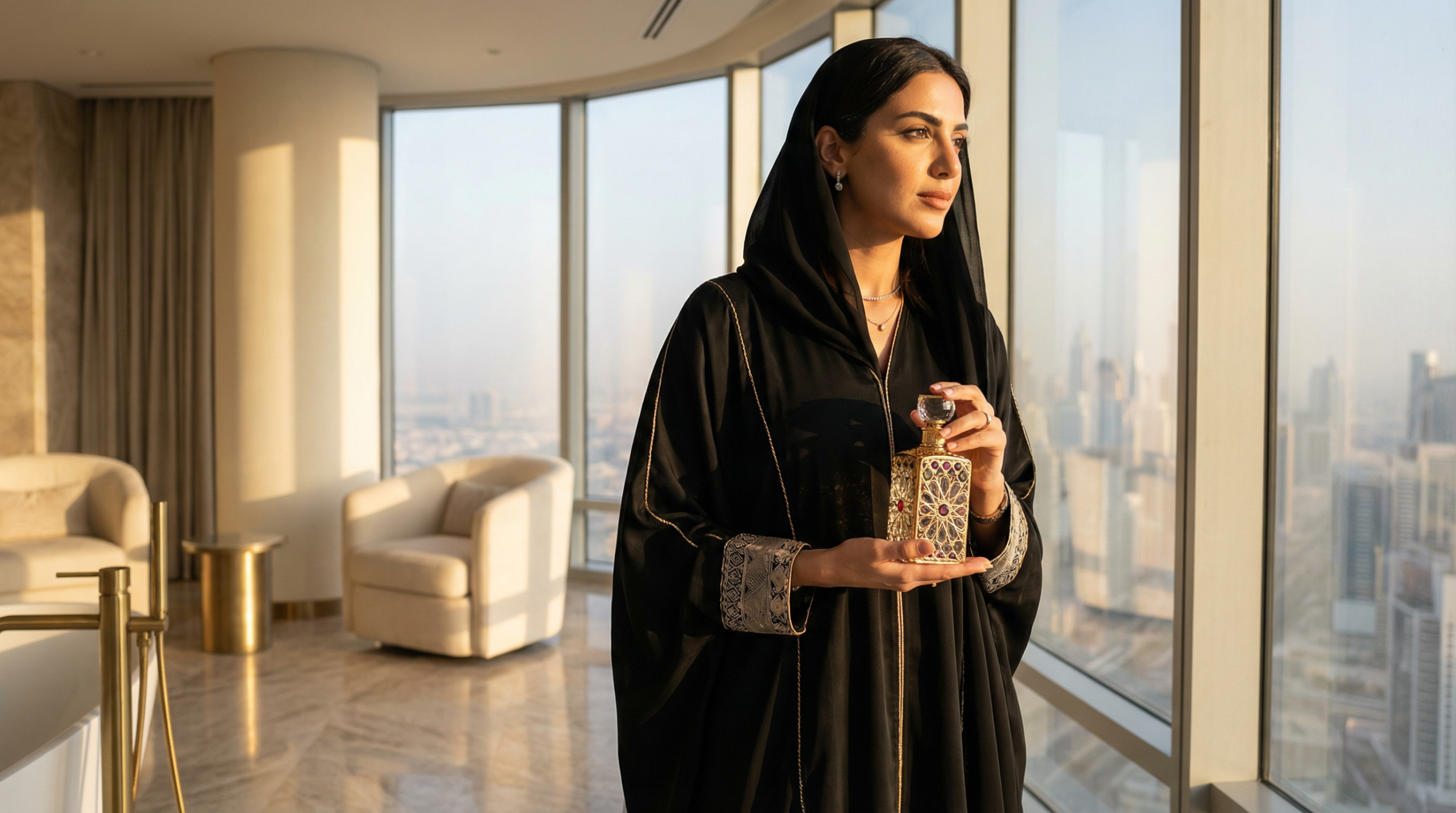

The Essence of Intent: Beginning Your Scent Journey for a New Year
January carries a unique energy of renewal and reflection. In Middle Eastern culture, scent has always been more than mere adornment—it’s a spiritual practice, a form of invisible art that announces your presence before you enter a room. As we step into 2026, the ancient tradition of crafting a signature fragrance takes on new meaning for the modern Muslim woman who seeks to express her identity through both modesty and refinement.
The journey toward finding your olfactory signature begins with intention. Consider what you want your scent to communicate: Is it quiet confidence? Cultural pride? Modern elegance? This deliberate approach mirrors the thoughtful selection of modest fashion pieces, where every fold and fabric choice tells a story.
From Source to Spirit: The Art of Ingredient Selection in Luxury Perfumery
The creation of exceptional fragrances begins thousands of miles away from the perfumer’s atelier. Rare oud is harvested from agarwood trees in Southeast Asian forests, where fungal infection creates the resinous heartwood prized for centuries. Damask roses bloom in Taif’s mountain valleys, their petals gathered at dawn when their essence is most potent. Saffron threads, worth more than gold by weight, are hand-picked from crocus flowers across Iran and Morocco.
Master perfumers spend years developing relationships with ingredient suppliers, understanding terroir and harvest conditions the way vintners understand grapes. The quality difference between commercial-grade rose oil and artisanal rose absolute is profound—one smells pleasant, the other tells a story of place and tradition.
For those seeking authentic Arabic fragrances, understanding ingredient provenance matters. Genuine oud from wild trees differs dramatically from plantation-grown varieties, carrying deeper, more complex characteristics that develop over hours on the skin.
Harmonies in Fragrance and Fabric: Connecting Scent to Modest Fashion Aesthetics
The design principles that make an abaya elegant—clean lines, luxurious drape, subtle embellishment—translate beautifully to fragrance composition. A well-structured perfume, like a well-cut kaftan, balances proportion and restraint with moments of unexpected beauty.
Top notes function like delicate sleeve embroidery: they catch attention but don’t overwhelm. Heart notes provide structure, the equivalent of quality fabric that moves gracefully. Base notes anchor the composition, much like the perfect hem weight ensures an abaya falls with dignity.
When choosing a signature scent to complement modest fashion, consider how fragrance interacts with layered fabrics. Rich, resinous ouds and smooth ambers develop beautifully against natural fibers like silk and cotton, warming gently throughout the day. Lighter musks and rose compositions suit flowing chiffons and georgettes for special occasions.
Heirloom Blends: Preserving and Innovating Arabic Perfume Traditions
Traditional Arabic perfumery operates on principles established over a millennium. The art of creating attars—oil-based perfumes free from alcohol—requires patience and precision. Sandalwood oil serves as the base, infused with botanical essences through slow distillation processes that can span weeks.
Bakhoor blending represents another treasured tradition, where wood chips are soaked in fragrant oils and mixed with natural resins. The ritual of burning bakhoor before guests arrive transforms a home, creating an aromatic welcome rooted in hospitality traditions.
Contemporary perfumers honor these methods while embracing innovation. Modern extraction techniques preserve delicate floral notes that would have been lost to heat in traditional distillation. Molecular science helps stabilize natural ingredients, extending their presence without synthetic additives.
This balance between preservation and progress mirrors the evolution of modest fashion itself—honoring cultural foundations while embracing contemporary craftsmanship.
Beyond the Bottle: The Ethical & Sustainable Craft of Fine Fragrances
The luxury fragrance industry faces increasing scrutiny regarding sustainability and ethical sourcing. Wild oud harvesting has threatened agarwood populations, prompting responsible producers to support plantation cultivation and fair-trade partnerships with indigenous communities.
Rose and jasmine farming employs thousands of workers across the Middle East and North Africa. Ethical producers ensure fair wages and safe working conditions for primarily female laborers who perform the delicate hand-harvesting these precious flowers require.
Conscious consumers in 2026 increasingly seek transparency about ingredient origins and production methods. This shift parallels the modest fashion movement’s emphasis on ethical manufacturing and respect for artisan craftsmanship.
Cultivating Your Olfactory Signature: A Personal Path to Perfection
Developing a signature scent is deeply personal work that unfolds over time. Begin by exploring different fragrance families—woody, floral, oriental, fresh—noting which resonate with your sensibilities. Visit traditional souks and specialty boutiques, testing compositions on your skin rather than paper strips, as body chemistry dramatically affects fragrance development.
Keep a scent journal documenting your reactions to different notes throughout seasons and occasions. Notice how amber warms your winter wardrobe choices, or how rose enhances your confidence during important meetings.
Key Takeaways for Your Scent Journey:
Understanding perfume creation deepens appreciation for the artistry in every bottle. Quality ingredients, ethical sourcing, and cultural authenticity distinguish true luxury fragrances from mass-market alternatives. As you refine your olfactory preferences this January, remember that your signature scent, like your personal style, should reflect both heritage and individual expression—an invisible crown that completes your carefully curated presence in the world.