
No products added!
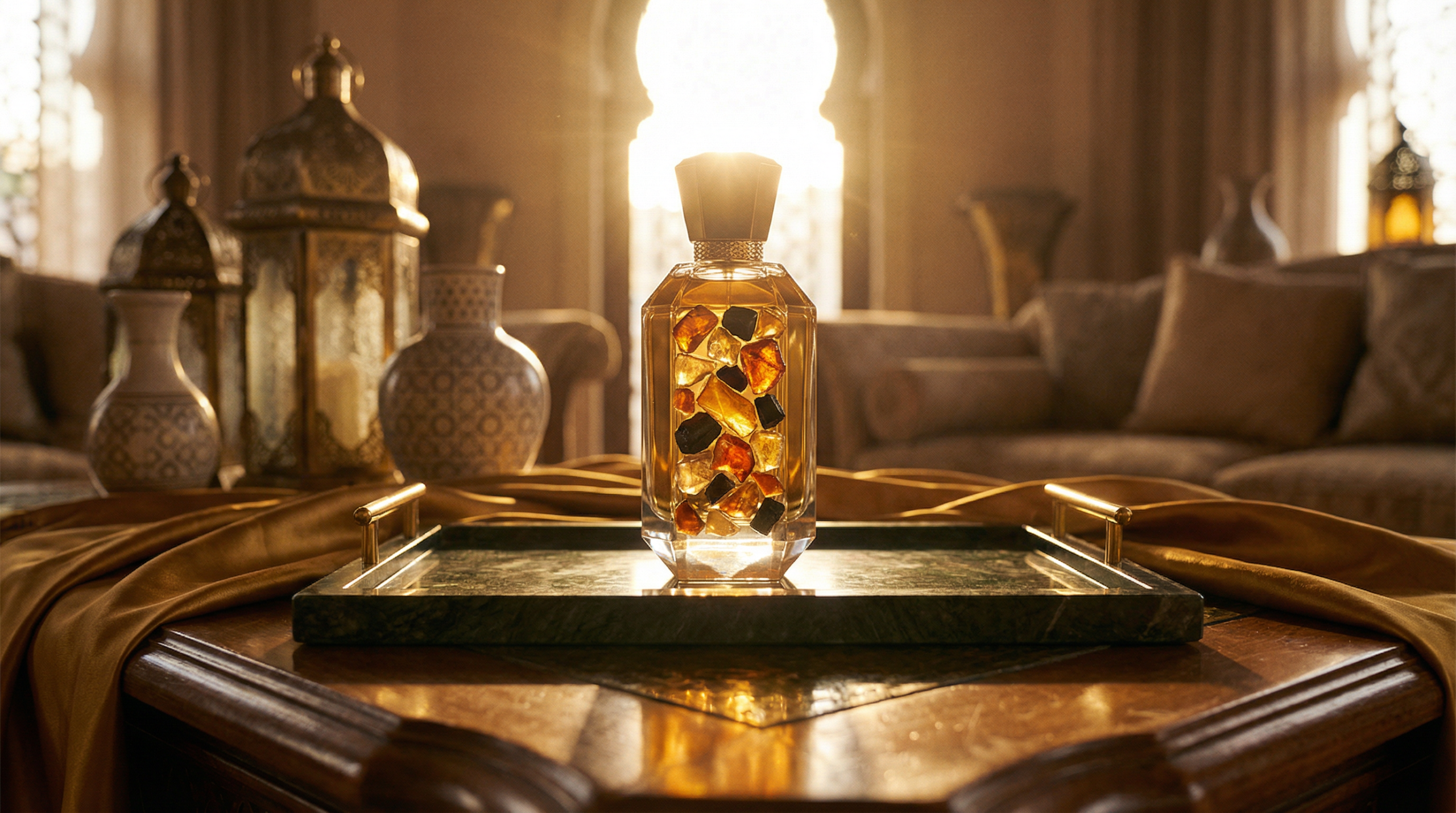

The ancient Silk Road was never merely a commercial highway—it was a bridge between civilizations, carrying precious cargo that would forever shape the art of perfumery. In 2026, the legacy of these historical trade routes continues to inspire the most sophisticated fragrance compositions in the luxury market, particularly across the GCC region where these scents hold deep cultural resonance.
The Ancient Trails: Decoding the Silk Road’s Fragrance Legacy
The Silk Road stretched over 6,400 kilometers, connecting Chang’an in China to the Mediterranean. Along these routes, merchants didn’t just trade silk and spices—they carried precious aromatic resins, woods, and oils that would become the foundation of Middle Eastern perfumery.
From the 2nd century BCE onwards, frankincense from Oman and myrrh from Yemen traveled eastward, while sandalwood and musk journeyed west from India. These exchanges created a magnificent olfactory vocabulary that transcended borders and cultures. Arabian perfumers became master blenders, developing sophisticated techniques for extracting, preserving, and layering these precious essences.
The significance of these fragrances extended beyond mere adornment. In Islamic tradition, the use of attar and aromatic oils became an integral part of personal grooming and spiritual practice, elevating perfumery to both an art form and a sacred ritual.
Precious Cargo: Key Ingredients from East to West and Their Enduring Allure
Frankincense and myrrh—the biblical treasures—remain cornerstones of luxury perfumery in 2026. These resins, harvested from trees in the Arabian Peninsula and East Africa, produce deep, meditative base notes that anchor contemporary compositions. Their smoky, balsamic character evokes ancient temples and desert winds.
Oud, perhaps the most coveted ingredient, traveled along Silk Road tributaries from Southeast Asia. This dark, complex wood has become synonymous with Middle Eastern luxury, commanding extraordinary prices and inspiring countless modern interpretations. Its rich, animalic warmth creates an unmistakable signature in high-end fragrances.
Sandalwood from India brought creamy, woody nuances that softened and rounded bolder ingredients. Amber, though not from a single source, became the term for warm, resinous blends that captured the golden essence of the desert at sunset. Saffron, cardamom, and rose—the precious florals and spices—added brightness and complexity to these deep, contemplative bases.
2026: Reimagining Heritage – Modern Blends with Ancient Souls
Contemporary perfumers are approaching Silk Road ingredients with fresh perspective, honoring tradition while embracing innovation. The 2026 fragrance landscape sees master perfumers creating compositions that balance historical authenticity with modern sensibilities.
Advanced extraction techniques now preserve the purest essences of these ancient ingredients while sustainable sourcing practices ensure their availability for future generations. Molecular science allows perfumers to amplify certain facets—the honeyed sweetness of oud, the crystalline purity of frankincense—without losing their essential character.
The trend toward transparency has led to increased appreciation for single-note fragrances and simpler compositions that showcase individual Silk Road ingredients. Simultaneously, there’s growing interest in complex, layered perfumes that recreate the multicultural exchanges of the ancient trade routes, blending Eastern and Western olfactory traditions into harmonious wholes.
For fashion-conscious women in the GCC, these modern interpretations offer a bridge between heritage and contemporary luxury—fragrances that honor cultural roots while reflecting global sophistication.
The Essence of Wellness: Beyond Scent, an Experience for Mind and Spirit
The connection between Silk Road fragrances and holistic wellness runs deep in Middle Eastern tradition. Frankincense has been used for meditation and spiritual practice for millennia, its grounding aroma promoting mental clarity and emotional balance.
In 2026, the wellness movement has rediscovered what ancient cultures always knew—scent profoundly affects mood, memory, and well-being. The warm, enveloping nature of oud and sandalwood creates feelings of comfort and security. The bright, uplifting notes of rose and saffron energize and inspire.
These fragrances connect wearers to something greater than themselves—a lineage of cultural wisdom, a tradition of self-care that views personal grooming as an act of self-respect and spiritual preparation. The ritual of applying attar or layering fragrances becomes a moment of mindfulness in busy modern life.
Crafting the Future: East-West Fusion in Luxury Perfumery for the GCC
The most exciting development in 2026 perfumery is the sophisticated dialogue between Eastern and Western traditions. Perfumers trained in Grasse are collaborating with master attarmakers, creating fragrances that speak multiple olfactory languages fluently.
This fusion respects the deep, resinous character beloved in the Gulf while incorporating the lighter, more volatile top notes favored in European perfumery. The result is fragrances with complexity and longevity—opening with bright, modern sparkle before settling into rich, traditional warmth.
The GCC market, with its educated nose and appreciation for quality, has become a driving force in this evolution. Women here understand fragrance composition, recognize fine ingredients, and demand authenticity alongside innovation.