
No products added!
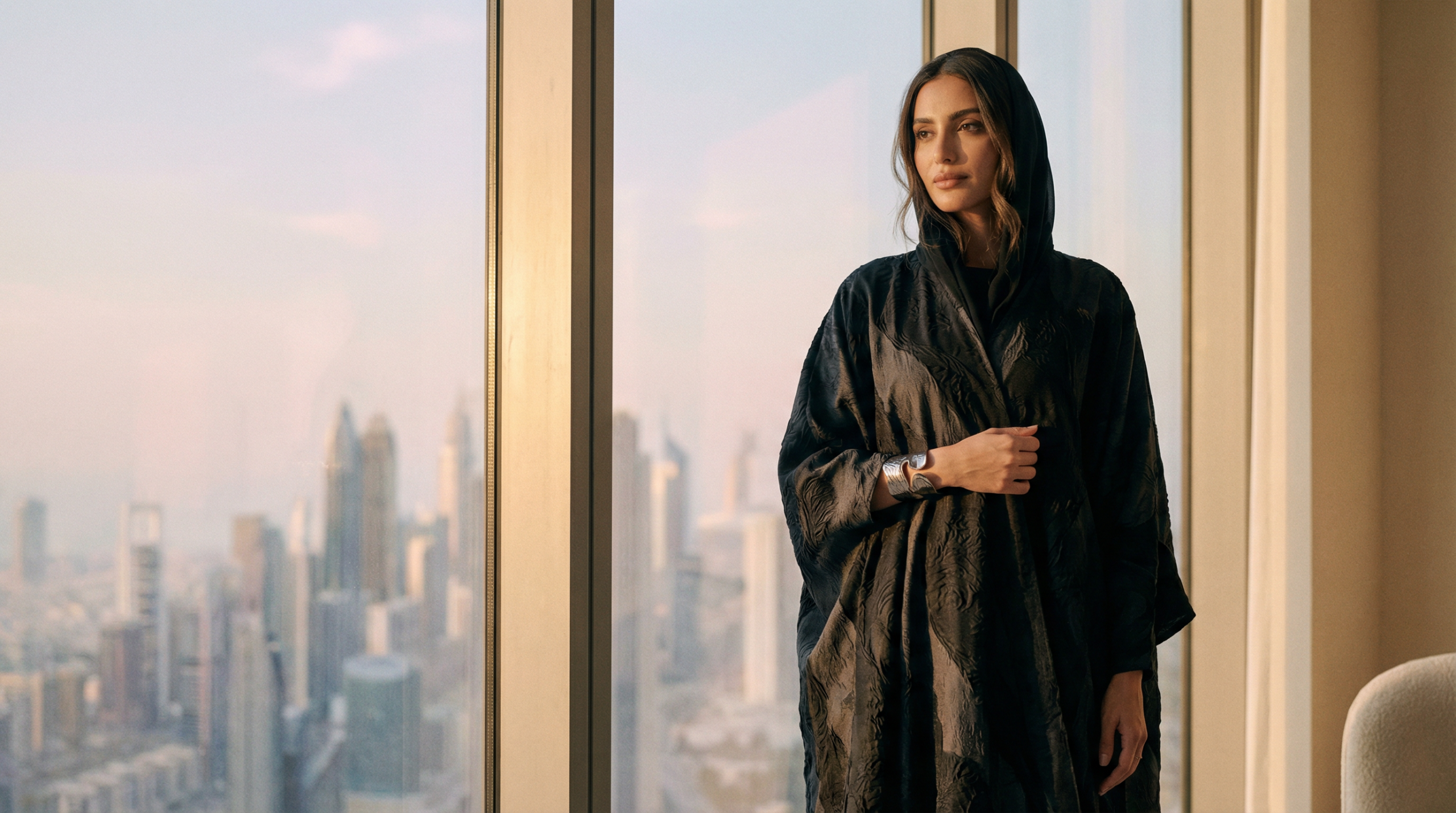

The modest fashion landscape has always been dynamic, but 2026 marks a pivotal moment in abaya design philosophy. The most significant shift happening right now isn’t about hemlines or silhouettes—it’s about surface. Fashion-forward women across Dubai, Riyadh, and the broader GCC region are moving away from statement prints toward something far more nuanced: texture.
This isn’t just another fleeting trend. It represents a fundamental recalibration of what sophistication means in contemporary modest fashion.
The Evolution of Abaya Aesthetics: From Bold Statements to Subtle Sophistication
For years, the modest fashion industry embraced maximalism—vibrant florals, geometric patterns, and eye-catching prints dominated racks from The Dubai Mall to Riyadh Gallery. These designs served an important purpose, proving that modest clothing could be bold and fashion-forward.
But by late 2025, a quiet revolution began. The women who had championed loud prints started gravitating toward something different. They sought depth instead of distraction, tactile interest instead of visual noise.
This evolution mirrors the broader aesthetic preferences emerging across the Gulf region. As cultural confidence grows, there’s less need to make loud statements. The focus has shifted to craftsmanship, quality, and the kind of understated luxury that reveals itself upon closer inspection.
Decoding the Allure of Texture: Why Tactile Fabrics Are Taking Center Stage
Texture offers what prints cannot: versatility without compromise. A richly textured abaya transitions seamlessly from morning coffee meetings to evening gatherings without feeling costume-like or occasion-specific.
The appeal runs deeper than practicality. Textured fabrics create dimension and movement in ways flat prints never could. Light plays across jacquard weaves differently throughout the day. Embossed silks catch shadows that add visual interest without overwhelming the eye.
For the discerning dresser, texture signals quality. It demonstrates an understanding of fabric construction and an appreciation for the subtle details that separate exceptional garments from ordinary ones. In markets where luxury is understood and appreciated, this distinction matters immensely.
There’s also the timelessness factor. Prints date themselves—what feels fresh this season can appear tired next year. Texture, conversely, ages gracefully. A beautifully textured abaya purchased in 2026 will remain relevant in 2030 and beyond.
Embracing the Texture Revolution: Key Fabrics and Finishes for Your 2026 Abaya
Understanding fabric becomes essential when navigating this trend. Several textile categories are dominating the sophisticated modest fashion scene this year.
Jacquard weaves lead the movement. These intricately patterned fabrics create subtle motifs through the weave structure itself rather than printed designs. The result is dimensional, luxurious, and inherently elegant.
Embossed silks and satins offer another compelling option. Heat-set patterns create raised surfaces that catch light beautifully while maintaining a monochromatic palette. These work particularly well for evening occasions.
Slub silks and linens bring organic texture to casual elegance. The natural irregularities in these fabrics create visual interest that feels effortless and refined. They’re ideal for daytime wear and warm-weather months.
Crêpe fabrics with subtle ribbing or pebbling provide texture without excess weight. These drape beautifully and offer year-round wearability across the Gulf climate spectrum.
Styling Textured Abayas: Crafting an Effortlessly Elegant Look
The beauty of textured abayas lies in their styling simplicity. Because the fabric provides inherent interest, less accessorizing is required—and often preferred.
Embrace monochromatic dressing. A single color from head to toe allows texture to become the focal point. This approach feels modern, streamlined, and decidedly luxurious.
Layer thoughtfully. A textured abaya pairs beautifully with smooth, plain hijabs that won’t compete for attention. Conversely, if choosing a textured hijab, opt for a smoother abaya to maintain visual balance.
Keep accessories minimal but meaningful. One statement piece—a sculptural cuff or distinctive ring—complements textured fabrics better than multiple competing elements. Let the fabric speak.
Consider footwear carefully. Textured abayas create elegance that deserves equally refined shoes. Simple leather mules or sleek pointed flats maintain the sophisticated aesthetic without distraction.
Beyond the Abaya: Integrating Texture into Your Modest Wardrobe
This textural movement extends throughout modest fashion. Kaftans featuring jacquard or brocade details offer sophisticated alternatives for home entertaining or casual occasions.
Hijab choices increasingly reflect this preference for tactile interest. Crinkled silks, subtly pleated cottons, and fabrics with woven patterns add dimension without relying on printed designs.
Even everyday pieces benefit from this approach. Textured cardigans, structured blazers with interesting weaves, and trousers in refined fabrics all contribute to a cohesive, texture-forward wardrobe.
The key is building a collection where pieces complement rather than compete. When texture becomes your primary design element, coordination becomes intuitive and styling feels effortless.