
No products added!
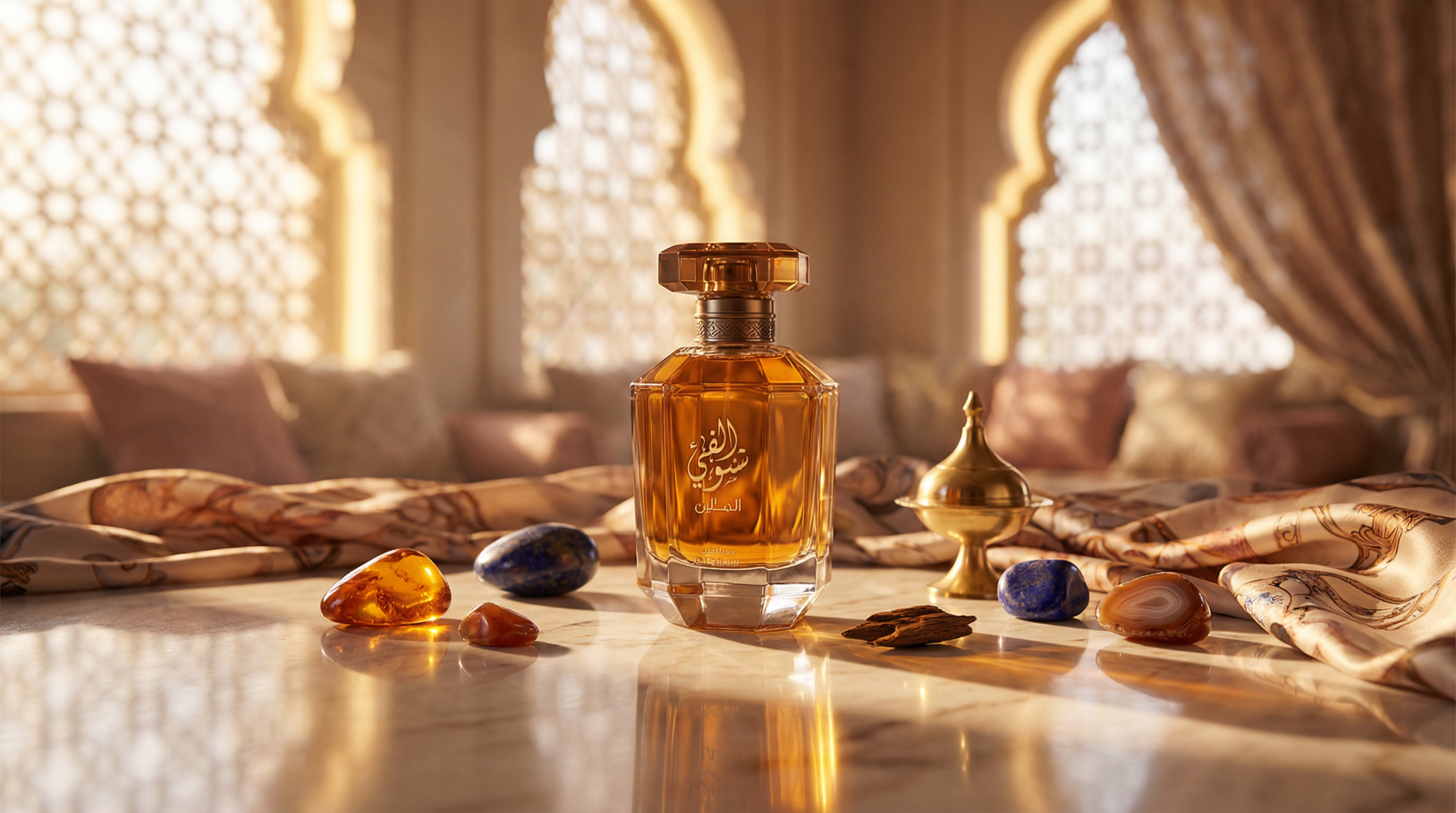

In a nation where fragrance forms an integral part of daily life and cultural expression, perfume choices at formal gatherings carry weight far beyond personal preference. As the UAE continues to position itself as a global cultural hub throughout 2026, understanding the nuanced language of scent becomes essential for anyone navigating the country’s vibrant social calendar.
The Essence of Scented Diplomacy: Perfume’s Role in Emirati Culture
Perfume in Emirati culture transcends mere accessory status. It represents hospitality, respect, and personal refinement. The traditional practice of offering bakhoor—aromatic wood chips burned to release fragrant smoke—to guests exemplifies how scent creates welcoming spaces and honors relationships.
This cultural foundation means that fragrance choices at public events communicate volumes about your understanding of social dynamics. A well-chosen scent demonstrates cultural literacy and respect for those around you. Conversely, overpowering perfume can inadvertently signal unfamiliarity with local customs or disregard for shared spaces.
The concept of طيب (tayib)—the beautiful scent trail one leaves—holds particular significance. In Emirati tradition, this invisible signature should be pleasant and memorable without being imposing, much like the balance expected in gracious social interaction.
Navigating 2026 UAE Cultural Events: Understanding the Context for Fragrance
The UAE’s 2026 cultural calendar encompasses diverse occasions, each with distinct atmospheric expectations. Major exhibitions at venues like the Louvre Abu Dhabi or contemporary art spaces demand different fragrance approaches than traditional heritage festivals or intimate literary gatherings.
Indoor venues with climate control and limited air circulation require particular restraint. Museums, galleries, and conference halls concentrate scents, making lighter applications essential. These spaces often host international visitors unfamiliar with traditional Middle Eastern perfume intensities, necessitating culturally diplomatic choices.
Outdoor heritage festivals and desert gatherings offer more flexibility. The open air disperses fragrance naturally, allowing for richer, more traditional compositions. However, even in these settings, awareness of proximity during conversations and group activities remains important.
Selecting Your Scent: Etiquette for Various Occasions and Venues
For formal diplomatic receptions and government-sponsored cultural events, elegance favors subtlety. Consider compositions with refined woody notes or delicate floral accords that project sophistication without dominating the environment. These occasions typically involve close conversation, where overpowering scents create barriers rather than bridges.
Traditional Emirati celebrations welcome the heritage fragrances deeply rooted in regional culture—oud, musk, amber, and rose. However, application technique matters more than composition. Even beloved traditional scents require measured use in enclosed majlis settings where multiple attendees may wear similarly rich fragrances.
Contemporary art openings and creative industry events in 2026’s evolving cultural landscape often suit modern interpretations of classic themes. These settings celebrate innovation while respecting heritage, making them ideal for creative fragrance expressions that remain mindful of intensity.
The Art of Application: Ensuring Grace and Respect with Your Perfume
The cardinal rule of perfume etiquette centers on the arm’s length principle: your fragrance should be perceptible only to those within conversational distance, not across the room. This standard proves particularly crucial during crowded gallery viewings or theater performances where personal space naturally contracts.
Strategic application points matter significantly. Pulse points behind ears and on wrists offer subtle diffusion, while spraying onto clothing can intensify and prolong scent presence—appropriate for outdoor events but overwhelming in climate-controlled interiors.
Layering fragrance products requires particular caution. When combining scented oils, attars, and alcohol-based perfumes, the cumulative effect can quickly exceed cultural comfort levels. Choose one primary fragrance vehicle and supplement sparingly if at all.
Beyond the Bottle: The Cultural Nuances of Sharing and Gifting Fragrance
Fragrance sharing represents an intimate gesture of friendship and hospitality in Gulf culture. Understanding when and how to offer or accept perfume demonstrates cultural fluency. At women’s gatherings, passing around a beautiful scent symbolizes generosity and creates shared sensory experiences.
Perfume gifting for 2026 cultural events follows specific protocols. High-quality traditional attars or distinctive compositions presented in elegant packaging honor hosts and celebrate special occasions. The gesture acknowledges the recipient’s refinement while strengthening social bonds.
However, avoid assumptions about scent preferences. What delights one person may overwhelm another. When gifting, classic compositions with broad appeal demonstrate thoughtfulness without presumption.
Preparing for 2026: A Proactive Approach to Perfume Etiquette
As the UAE’s cultural influence expands globally throughout 2026, perfume literacy becomes increasingly valuable. Developing a personal fragrance wardrobe with options for various social contexts ensures preparedness for any invitation.
Invest time understanding how your chosen fragrances develop throughout wear cycles. What begins pleasantly fresh may intensify unexpectedly, particularly in warm climates. Testing perfumes in conditions similar to event environments prevents unwelcome surprises.