
No products added!
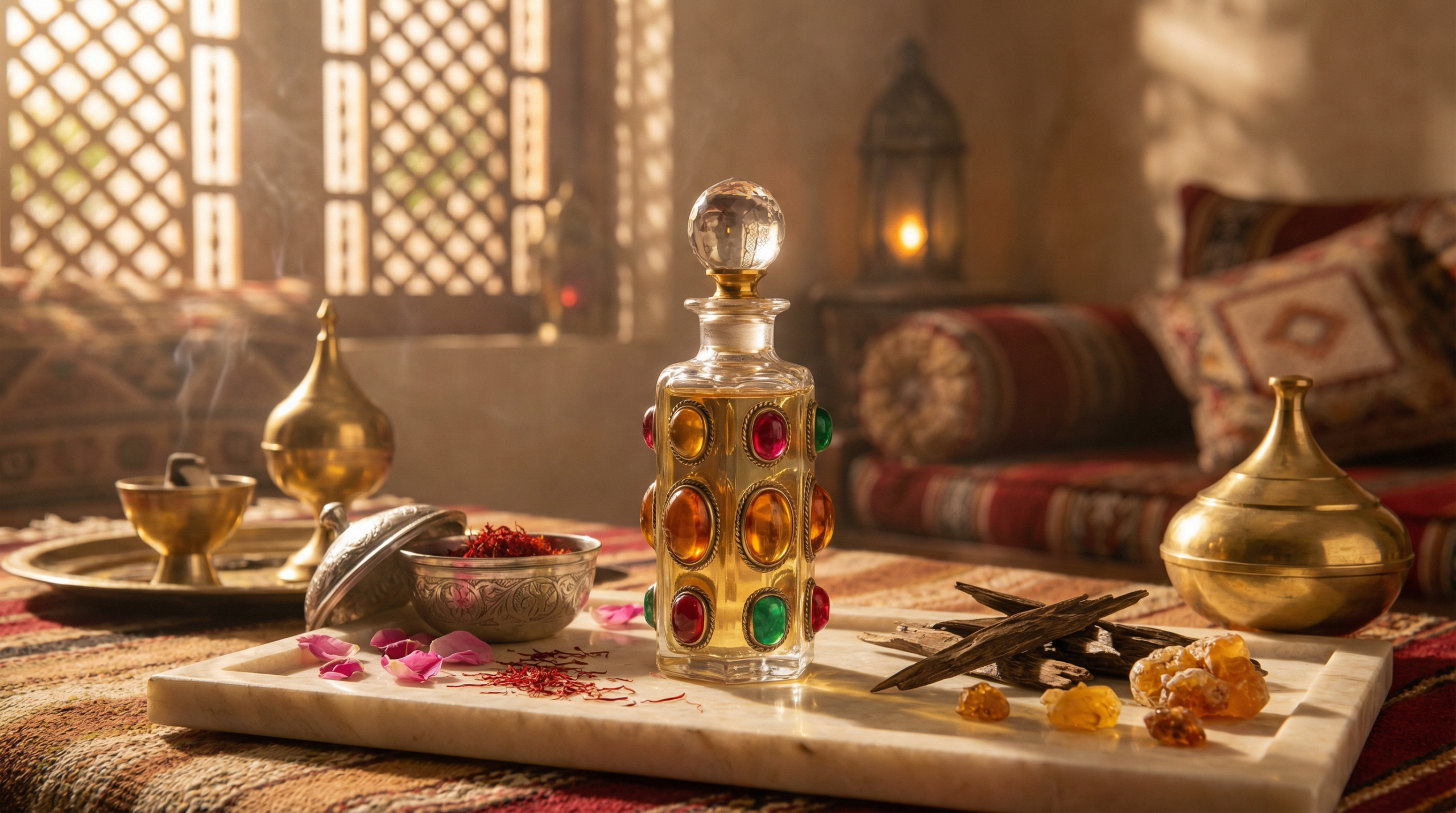

The art of fragrance has always been woven into the fabric of Middle Eastern culture, transcending mere adornment to become a spiritual practice. As we navigate the wellness landscape of 2026, sophisticated women across the GCC are rediscovering the profound connection between ancestral scent traditions and contemporary self-care. While bakhoor remains beloved in homes throughout the region, the world of aromatic wellness extends far beyond this singular practice.
The Evolution of Scented Rituals: From Ancient Traditions to 2026 Wellness
Historically, fragrance in Islamic culture represented both physical purification and spiritual elevation. The Prophet Muhammad, peace be upon him, famously cherished perfume, establishing a tradition that has flourished for fourteen centuries.
In 2026, this heritage finds new expression as wellness enthusiasts recognize that scent influences mood, cognition, and emotional balance in measurable ways. Modern neuroscience confirms what our ancestors intuitively understood: aromatic compounds directly affect the limbic system, the brain’s emotional center.
The contemporary approach honors traditional ingredients—oud, amber, musk, rose, and saffron—while integrating them into intentional self-care practices. These natural essences carry therapeutic properties that extend beyond their captivating fragrances, offering genuine benefits for mental clarity and emotional wellbeing.
Beyond Bakhoor: Embracing the Spectrum of Oriental Fragrances in Self-Care
Bakhoor serves beautifully for home fragrance, but personal wellness rituals benefit from a broader aromatic palette. Oud oil applied to pulse points before morning prayers creates a grounding ritual that anchors the day in intention and mindfulness.
Rose absolute, distilled from Taif roses, carries cooling properties particularly valued in the Gulf climate. A few drops mixed with carrier oil for facial massage combines skincare with aromatherapy, honoring the Islamic principle of self-care as an act of gratitude.
Amber and musk offer warming, comforting notes ideal for evening relaxation rituals. These rich base notes slow breathing naturally, facilitating the transition from day’s demands to restorative rest. Many women in the UAE have adopted the practice of applying these fragrances after the Isha prayer, creating a sensory boundary between work and rest.
Saffron-infused fragrances, long prized in Persian and Arabic traditions, provide an uplifting quality beneficial for focus and creativity. The spice’s golden essence carries both luxury and therapeutic value, making it ideal for afternoon rituals during work breaks.
Gemstone-Infused Perfumes: A New Dimension in Aromatic Wellness
One of 2026’s most intriguing developments involves perfumes infused with gemstone energies—a practice that bridges ancient Islamic appreciation for precious stones with contemporary wellness trends.
Rose quartz-infused fragrances promote self-love and emotional healing, aligning with Islamic teachings about treating oneself with compassion. Amethyst essences support clarity and spiritual connection, enhancing meditation or Quran recitation practices.
Clear quartz amplifies intention, making fragrances infused with this crystal particularly meaningful when applied with specific dua or positive affirmations. While scientific validation of crystal energy remains debated, the intentionality these fragrances inspire creates undeniable psychological benefits.
The key lies in selecting perfumes that genuinely incorporate gemstone essences through ethical extraction methods, rather than marketing gimmicks. Authentic producers use traditional maceration techniques, allowing oils to absorb the stones’ subtle vibrations over extended periods.
Crafting Your 2026 Scented Self-Care Sanctuary: Practical Rituals
Begin mornings with a grounding ritual: after wudu, apply oud or sandalwood oil to pulse points while setting daily intentions. This practice combines physical cleanliness with spiritual preparation.
For midday renewal, keep a roller bottle of rose or neroli fragrance at your desk. During Dhuhr prayer breaks, refresh your pulse points and practice three minutes of conscious breathing with the scent.
Evening relaxation benefits from layering: begin with a warm bath infused with amber-scented oils, then apply musk-based perfume before bedtime prayers. This sensory routine signals to your nervous system that rest approaches.
Weekly, dedicate time for a complete aromatic wellness ritual. Create a calm space, light natural beeswax candles, and perform a self-massage using oils blended with your chosen oriental essences. This practice honors the Islamic principle of caring for the body as an amanah—a trust from Allah.
The Mind, Body, and Spirit Connection: Aromatic Wellness in Modern Life
The integration of fragrance into self-care addresses wellness holistically. Scent bypasses cognitive filters, accessing emotions and memories directly—a powerful tool for managing the stress inherent in contemporary life.
For the Muslim woman balancing career, family, and spiritual obligations, intentional fragrance use becomes a portable sanctuary. These rituals require minimal time yet offer profound grounding effects.
Quality matters significantly. Synthetic fragrances lack the therapeutic compounds found in natural essences and may trigger sensitivities. Authentic oriental perfumes, crafted from genuine botanicals and resins, deliver both aromatic pleasure and wellness benefits.
Ethical sourcing deserves consideration as well. Sustainable oud harvesting and fair-trade rose cultivation ensure these traditional practices continue benefiting communities while honoring environmental stewardship—a core Islamic value.