
No products added!
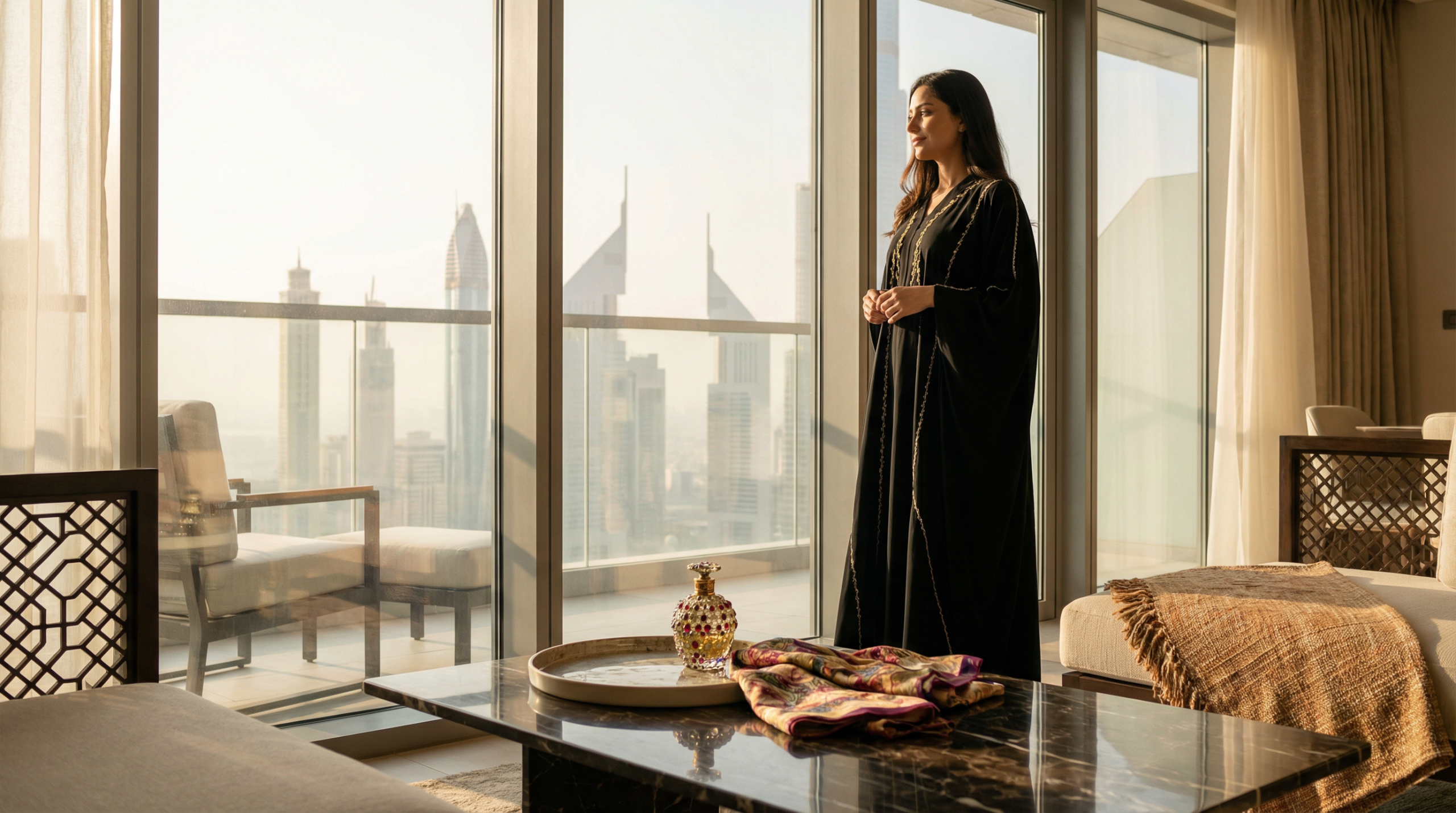

The glittering spectacle of Dubai Shopping Festival may have drawn to a close, but savvy shoppers know that the real treasures emerge in the quieter weeks that follow. As the crowds disperse and vendors reset their strategies for the year ahead, Dubai’s traditional souks transform into havens for discerning buyers seeking authentic modest fashion and luxury perfumes at remarkably accessible prices.
Understanding the Post-DSF Shopping Landscape in Dubai’s Souks (2026)
The period immediately following DSF represents a unique window in Dubai’s retail calendar. While mall-based retailers shift focus to spring collections, souk merchants often extend attractive pricing to maintain momentum built during the festival season.
This year, several factors create particularly favorable conditions for shoppers. The strengthened dirham against certain currencies means imported fabrics and raw materials arrive at competitive prices, savings that conscientious vendors pass along to customers. Additionally, many artisan workshops in Deira and Bur Dubai neighborhoods have overstocked specialty items in anticipation of DSF crowds, creating genuine clearance opportunities.
The key lies in distinguishing between authentic post-festival pricing and the permanent “discount theater” some tourist-focused stalls maintain year-round. Genuine deals typically appear mid-to-late January, precisely where we find ourselves in 2026, as vendors prepare inventory rotations for the approaching spring season.
Discovering Hidden Gems: Modest Fashion Finds Beyond the Mainstream
For those seeking exceptional abayas, kaftans, and modest separates, certain areas within Dubai’s traditional markets consistently deliver both quality and value. The Textile Souk along Al Fahidi Street remains an essential destination, where entire shops specialize in premium fabrics like Korean Nidha—known for its luxurious drape and wrinkle resistance—and Japanese chiffon that layers beautifully without bulk.
Post-DSF timing allows for unhurried conversations with fabric merchants who can explain the distinctions between machine-finished and hand-finished edges, or demonstrate how genuine Nidha fabric responds to light versus synthetic alternatives. These merchants often maintain relationships with small ateliers in Satwa and Karama who create custom pieces at surprisingly reasonable rates.
For ready-to-wear pieces, the Al Seef area has emerged as a destination where traditional craftsmanship meets contemporary modest fashion sensibilities. Here, you’ll find abayas featuring intricate embroidery work—particularly the delicate Khaleiji-style embellishments favored across the GCC—at prices significantly lower than comparable pieces in climate-controlled retail environments.
Look for open abayas with kimono-style cuts and subtle stonework detailing, which continue trending among fashion-conscious women throughout the Emirates and broader Gulf region in 2026. The most astute shoppers visit on weekday mornings when shop owners have time for detailed discussions about construction quality and fabric sourcing.
The Art of Scent: Unearthing Luxury Gemstone-Infused Perfumes for Less
Dubai’s Perfume Souk near the Gold Souk remains legendary for reasons that extend far beyond tourist appeal. Within its aromatic corridors exist legitimate artisan perfumers who work with attars, oudh, and gemstone-infused oil blends that rival—and often surpass—internationally marketed luxury fragrances.
The post-DSF period proves particularly advantageous for perfume exploration. Many traditional perfumers offer generous sampling, allowing visitors to experience complex scent profiles featuring rose, saffron, sandalwood, and amber—notes that resonate deeply within Middle Eastern perfume traditions.
Gemstone-infused perfumes, which incorporate subtle crushed gemstone particles for alleged energetic properties and light-refracting beauty, have gained significant traction in 2026. Knowledgeable perfumers can explain the purported benefits of various stones—rose quartz for gentle florals, obsidian for deeper oudh-based compositions—while demonstrating quality through scent longevity and oil purity.
Authentic perfumers typically display their creation process openly and discuss the origin of their ingredients without hesitation. They may offer to create custom blends tailored to personal preferences, a service that becomes more accessible post-festival when time pressures ease.
Mastering the Souk: Tips for Smart Shopping and Negotiation
Successful souk shopping requires a particular approach that respects cultural traditions while protecting your interests. Visit the same shops multiple times before committing to significant purchases, allowing merchants to recognize you as a serious, respectful customer rather than a casual browser.
Bring cash in smaller denominations, as this facilitates smoother negotiations and often unlocks additional pricing flexibility. However, approach bargaining with grace—aggressive haggling contradicts the respectful relationship-building that characterizes traditional Emirati commerce.
Ask specific questions about fabric composition, country of origin, and care requirements. Merchants who provide detailed, consistent answers typically offer superior products. For perfumes, request ingredient lists and ask about alcohol content versus pure oil formulations.
Culturally Conscious Choices: Ensuring Authenticity and Quality
Quality assessment begins with tactile examination. Superior abaya fabrics possess consistent weight, smooth hand-feel, and tightly woven construction without visible gaps when held to light. Seams should lie flat with even stitching, and any embellishments should attach securely without loose threads.
For perfumes, pure oils leave minimal residue when rubbed between fingers and maintain scent integrity over hours rather than dissipating quickly. Be cautious of heavily discounted “designer” perfumes, as these rarely represent genuine luxury fragrances.
Consider the cultural significance of your purchases. Modest fashion and traditional perfumery represent centuries of regional heritage. Choosing authentic pieces over mass-produced alternatives honors these traditions while ensuring you acquire items of lasting value.
Key Takeaways for the Discerning Shopper
The weeks following DSF offer exceptional opportunities for acquiring authentic modest fashion and luxury perfumes in Dubai’s traditional markets. Success requires patience, cultural awareness, and willingness to invest time in building relationships with knowledgeable merchants. By focusing on fabric quality, craftsmanship details, and genuine pricing transparency, you can secure remarkable pieces that reflect both personal style and regional authenticity—transforming shopping from mere transaction into meaningful cultural exchange.