
No products added!
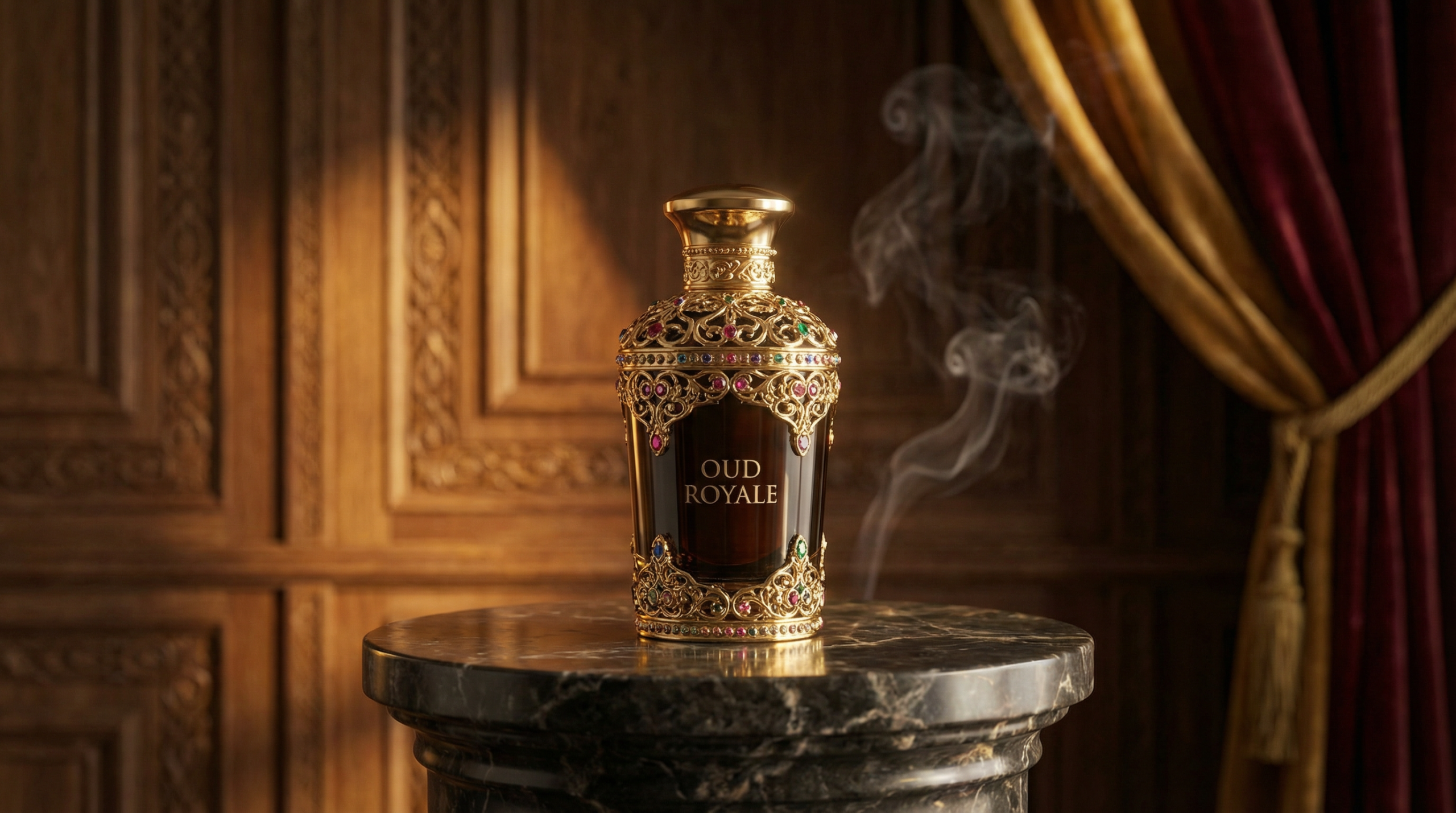

The world of Arabic perfumery holds few ingredients as revered as oud. For discerning perfume enthusiasts across the UAE and GCC, this precious essence represents centuries of cultural heritage and unparalleled luxury. Yet as demand continues to surge in 2026, one critical mistake threatens to undermine the authentic oud experience for even the most sophisticated buyers.
Understanding the True Essence of Oud: Beyond the Scent Profile
Genuine oud, also known as agarwood, originates from a remarkable natural phenomenon. When the Aquilaria tree becomes infected by a specific type of mold, it produces a dark, resinous heartwood as a defense mechanism. This precious resin takes years to develop, creating one of nature’s most complex and sought-after aromatic materials.
The scent profile of authentic oud defies simple description. It presents layers of woody depth, subtle sweetness, hints of leather, and an almost spiritual warmth that has captivated Middle Eastern culture for millennia. This complexity stems from hundreds of volatile compounds within the resin, each contributing to an olfactory experience that evolves beautifully on the skin over hours.
Traditional distillation methods, passed down through generations of master perfumers, preserve these intricate notes. The process requires patience, expertise, and deep respect for the raw material—qualities that directly influence the final fragrance’s authenticity and longevity.
The Peril of ‘Synthetic Oud’: A Costly Mistake to Avoid
The most significant error when purchasing oud perfume in 2026 is accepting synthetic alternatives as genuine oud. This mistake carries consequences far beyond monetary loss—it represents a disconnection from cultural authenticity and the true artistry of Arabic perfumery.
Synthetic oud compounds, developed in laboratories to mimic natural agarwood, lack the depth and complexity of authentic material. While modern chemistry has advanced considerably, these substitutes cannot replicate the hundreds of nuanced molecules that create genuine oud’s signature character. The result feels flat, one-dimensional, and often overpoweringly harsh compared to natural oud’s warm, evolving presence.
Price serves as the most telling indicator. Authentic oud ranks among the world’s most expensive natural ingredients, with premium grades commanding extraordinary prices due to scarcity and labor-intensive production. When a perfume advertised as “pure oud” appears remarkably affordable, skepticism becomes essential.
The cultural implications matter deeply for GCC consumers. Oud holds spiritual and traditional significance in Arab heritage, used in everything from religious ceremonies to personal adornment. Synthetic substitutes fail to honor this legacy, reducing a sacred tradition to mere commercial replication.
Navigating Authenticity: What to Look for in Genuine Oud Perfume
Educated purchasing requires understanding what distinguishes authentic oud from synthetic versions. Transparency in sourcing represents the first critical factor. Reputable perfumers provide detailed information about oud origin—specific regions like Assam, Cambodia, or Malaysia—along with distillation methods and aging processes.
Genuine oud perfumes often specify the grade and type of agarwood used. Terms like “double super” or “triple super” indicate quality levels in traditional grading systems. References to wild-harvested versus cultivated sources also provide valuable authenticity markers, though sustainable cultivation has become increasingly important in 2026.
The perfume’s overall composition offers additional clues. Authentic oud-based fragrances typically feature carefully balanced blends that allow the oud to shine while complementing it with traditional Arabic notes like rose, saffron, or amber. The scent develops gradually on skin, revealing different facets over time rather than presenting all notes immediately.
Consultation with knowledgeable perfumers who understand traditional Arabic perfumery helps tremendously. These experts can explain their sourcing practices, demonstrate the differences between grades, and guide selections based on personal preferences while ensuring authenticity.
Cultural Context and Conscious Consumption: Elevating Your Oud Experience
Beyond authenticity verification, understanding oud’s cultural significance enriches the entire purchasing and wearing experience. In Middle Eastern tradition, oud represents hospitality, celebration, and spiritual connection. This context transforms fragrance from mere adornment into meaningful cultural expression.
Conscious consumption in 2026 also means considering sustainability. Wild agarwood populations face pressure from overharvesting, making responsible sourcing increasingly important. Many ethical producers now work with sustainable plantations or participate in conservation programs that protect wild Aquilaria populations while maintaining traditional quality standards.
The investment in genuine oud extends beyond immediate gratification. Authentic oud perfumes, properly stored, can last for years while continuing to develop character and depth. This longevity makes them heirloom pieces, often passed down through families as treasured possessions that carry both monetary and sentimental value.
Key Takeaways for Informed Oud Purchasing
Avoiding synthetic substitutes stands as the paramount rule when investing in oud perfume. Demand transparency about sourcing, accept that genuine quality commands premium pricing, and seek perfumers who demonstrate deep knowledge of traditional Arabic perfumery. Understanding the difference between authentic and synthetic oud protects both financial investment and cultural connection to this precious tradition. By prioritizing authenticity and educating yourself about oud’s complexities, you ensure that each purchase honors the artistry and heritage this remarkable ingredient deserves.