
No products added!
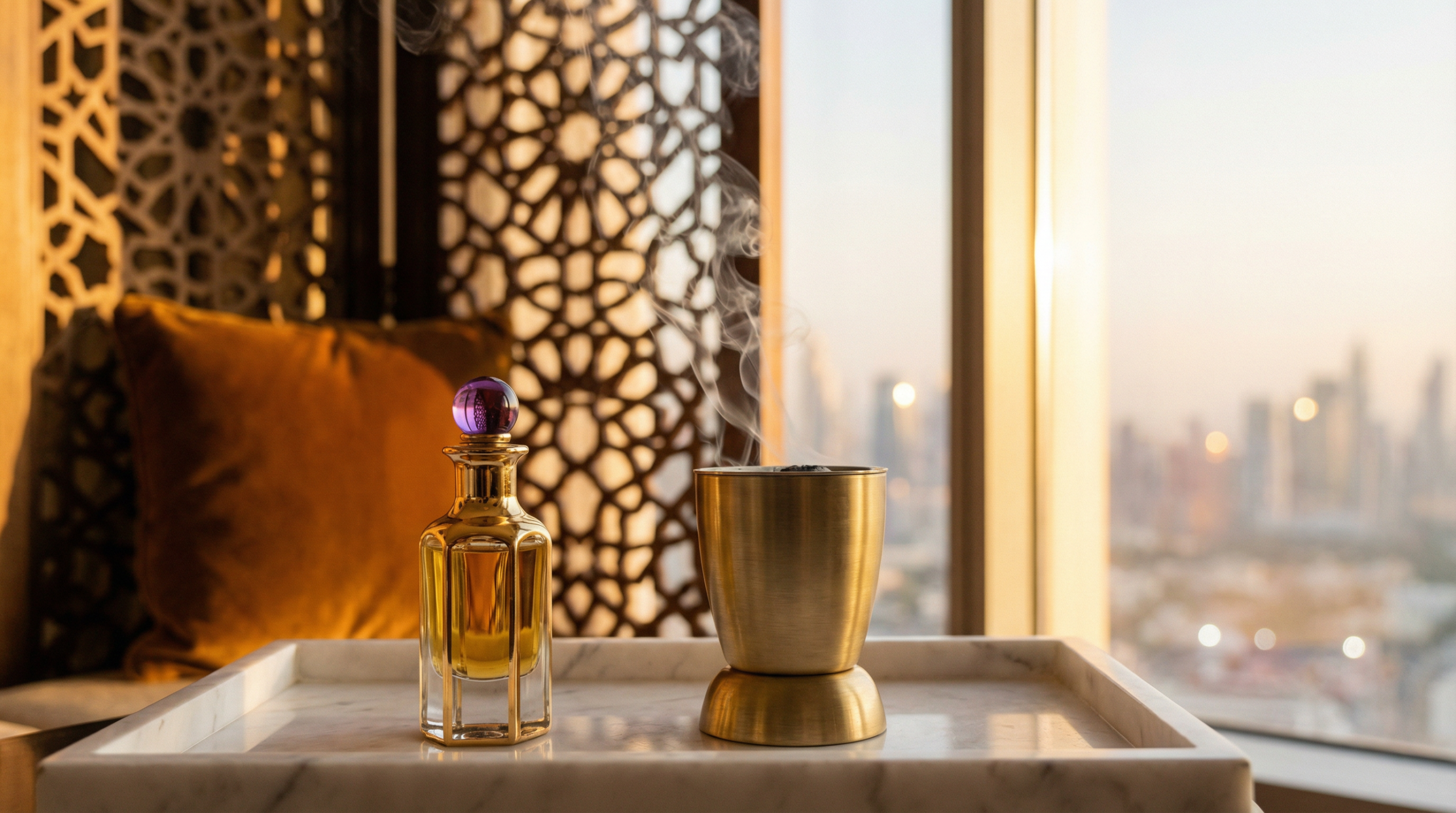

In an era where mindfulness meets heritage, the sophisticated women of the Gulf region are rediscovering oud not merely as a fragrance, but as a profound spiritual practice. This ancient resin, woven into the fabric of Islamic culture for centuries, offers modern Muslim women a bridge between ancestral wisdom and contemporary wellness.
Oud: An Ancient Essence, A Timeless Connection for the 2026 Woman
The story of oud begins not in perfume laboratories, but in the dense forests of Southeast Asia, where the Aquilaria tree responds to infection by producing a dark, aromatic resin. This natural defense mechanism creates one of the world’s most precious substances, valued for millennia across Islamic civilizations.
For the Muslim woman navigating 2026’s fast-paced world, oud represents something revolutionary: a tangible connection to centuries of spiritual practice. Unlike synthetic fragrances that exist purely for aesthetic pleasure, natural oud carries within it an entire legacy of devotion, ritual, and cultural identity.
The resurgence of interest in authentic oud reflects a broader movement among GCC women toward meaningful luxury—purchases that honor heritage while serving personal growth. This shift marks a departure from conspicuous consumption toward intentional living.
The Sacred Scent: Unveiling Oud’s Spiritual Roots in Islamic Tradition
Within Islamic tradition, oud holds a position of remarkable reverence. Historical texts reference its use in purification rituals, with the Prophet Muhammad (peace be upon him) encouraging the use of fragrant smoke in spiritual preparation. The burning of oud chips, known as bakhoor, has accompanied prayers, Quranic recitation, and significant life ceremonies for generations.
This practice carries with it the concept of barakah—divine blessings that permeate spaces and spirits through the sacred smoke. When oud is burned in the home, it serves multiple purposes: cleansing the environment, uplifting the soul, and creating an atmosphere conducive to worship and reflection.
The spiritual significance extends beyond religious obligation. Many Muslim women describe the ritual of burning oud as a moment of pause in their day, a sensory cue that transitions them from worldly concerns to spiritual awareness. The ascending smoke becomes a visual metaphor for prayers rising, a physical reminder of the unseen dimensions of faith.
Beyond Aroma: Oud as a Wellness Ritual and Mindfulness Tool
Contemporary wellness research increasingly validates what Islamic tradition has always known: scent profoundly impacts mental and emotional states. For the 2026 woman juggling multiple roles, oud offers a powerful grounding tool.
The practice of applying oud oil to pulse points becomes a mindfulness ritual in itself. The deliberate application, the focus on the scent, the conscious breathing—these actions create a moment of presence in otherwise fragmented days. Many women report that certain oud notes help them transition between professional and personal spaces, acting as an olfactory reset button.
Natural oud’s complex scent profile—simultaneously woody, sweet, and deeply earthy—engages the limbic system in ways that promote calm and centeredness. Unlike sharp synthetic fragrances that can overwhelm the senses, authentic oud unfolds gradually, encouraging the wearer to slow down and breathe deeply.
The ritual of burning oud chips offers even more profound benefits. The act of lighting the coal, placing the wood, and watching the smoke curl upward creates a meditative practice that requires no special training or spiritual expertise.
Embracing Modernity: Integrating Oud’s Spiritual Secrets into Daily Life
The key to experiencing oud’s spiritual benefits lies not in occasional use, but in thoughtful integration into daily rhythms. Many women in the Gulf have developed personal rituals that honor tradition while fitting contemporary lifestyles.
Morning application of oud oil can serve as an intention-setting practice, a fragrant reminder of personal values before engaging with the world. Evening burning of bakhoor transforms homes into sanctuaries, signaling to the mind and body that it’s time to release the day’s tensions.
For those new to these practices, starting small proves most sustainable. A single application of pure oud oil daily, or burning bakhoor once weekly on Fridays, allows the practice to take root without overwhelming routines.
Authenticity matters profoundly in this context. The spiritual and wellness benefits derive from natural oud resin, not synthetic reproductions. Learning to distinguish genuine oud—through its complex scent evolution and price point—becomes an essential skill for the discerning consumer.
The Future of Fragrance: Preserving Oud’s Heritage in an Evolving World
As 2026 unfolds, the oud industry faces critical sustainability questions. Over-harvesting threatens wild Aquilaria populations, prompting ethical consumers to seek cultivated alternatives and certified sustainable sources. This challenge presents an opportunity for conscious consumers to vote with their purchasing power, supporting practices that ensure oud remains available for future generations.
The modern Muslim woman’s relationship with oud reflects broader cultural shifts toward authenticity, sustainability, and meaningful tradition. Rather than abandoning heritage in pursuit of modernity, she weaves ancient practices into contemporary life, creating a lifestyle that honors both past and present.
Key Takeaways for Your Oud Journey
Understanding oud’s spiritual dimensions transforms it from a luxury item into a tool for personal growth and cultural connection. Begin by sourcing authentic, sustainably harvested oud oil or chips. Develop simple rituals that fit your daily rhythm, whether morning application or evening burning. Approach the practice with intention, viewing each use as a moment of mindfulness and cultural reclamation. The power of oud lies not in its price point, but in its ability to ground you in heritage, elevate your spiritual awareness, and connect you to centuries of feminine wisdom across the Islamic world.