
No products added!
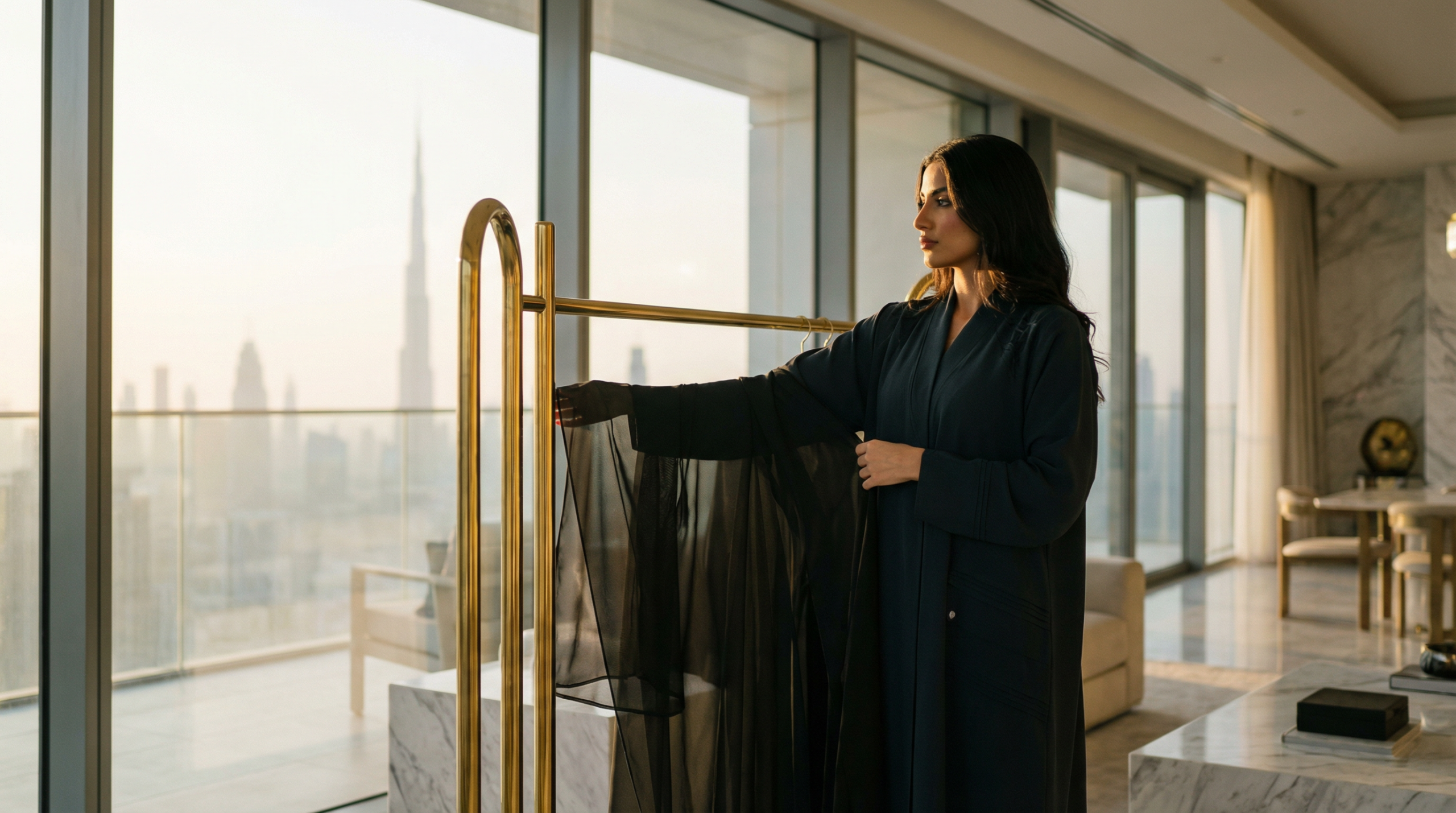

Understanding fabric quality transforms the way you build a sophisticated abaya wardrobe. While most fashion guides focus on color palettes and embellishments, the technical foundation of any exceptional garment lies in its fabric weight. For women across the UAE and GCC, where temperatures shift dramatically from January’s coolness to April’s warmth, mastering GSM becomes essential for year-round elegance.
Understanding GSM: The Foundation of Abaya Fabric Quality
GSM stands for Grams per Square Meter, a precise measurement indicating how much one square meter of fabric weighs. This seemingly technical detail directly impacts everything you experience when wearing an abaya—its drape, opacity, warmth retention, and movement.
A higher GSM number means denser, heavier fabric with more substance and warmth. Lower GSM indicates lighter, more breathable material perfect for warmer conditions. For abayas specifically, GSM determines whether a garment flows gracefully or hangs heavily, whether it provides adequate coverage without sheerness, and whether it suits Dubai’s January morning chill or Riyadh’s March afternoons.
Most quality abayas range between 80 GSM and 300 GSM, with each category serving distinct seasonal purposes.
Winter Warmth: Ideal Abaya Fabric GSM for Cooler Months in the GCC
Despite the region’s reputation for heat, GCC winters demand thoughtful dressing. January and February evenings in Dubai or Abu Dhabi can drop to 15°C, while Saudi Arabia’s northern regions experience genuinely cool conditions.
Winter-appropriate abayas typically feature fabrics between 200-300 GSM. Premium wool blends and heavier crepe variations in this range provide warmth without sacrificing the elegant flow expected of sophisticated modest wear. These fabrics possess enough weight to drape beautifully while creating a subtle barrier against cooler temperatures.
Nidha fabric in higher GSM ranges (around 200-250) offers exceptional structure and opacity, perfect for formal winter gatherings. The fabric’s inherent body means it holds its shape throughout evening events while providing comfortable coverage.
Seamless Transition: Medium GSM Abayas for Mild Winter-to-Spring Weather
The transitional months of late February through March present unique wardrobe challenges. Mornings begin crisp while afternoons warm considerably, requiring versatile fabric choices that adapt throughout the day.
Medium-weight fabrics ranging from 120-180 GSM excel during this period. Classic crepe fabrics in this range deliver the perfect balance—substantial enough for morning coolness yet breathable enough for afternoon comfort. The fabric possesses sufficient density to maintain opacity while allowing gentle air circulation.
Korean crepe variations around 150 GSM have gained popularity across the Gulf for their exceptional versatility. These fabrics drape beautifully, resist wrinkles remarkably well, and transition effortlessly from air-conditioned malls to outdoor settings.
Spring’s Embrace: Lightweight GSM for Breezy Elegance
As temperatures rise through April and May, lighter fabrics become essential for maintaining both comfort and elegance. Spring abayas work best in the 80-120 GSM range, offering breathability without compromising coverage or sophistication.
Chiffon blends around 80-100 GSM create that coveted flowing movement, though they often require equally lightweight lining to maintain modesty standards. These ethereal fabrics catch subtle breezes, creating graceful movement while remaining remarkably comfortable in warmer conditions.
Lighter crepe variations (100-120 GSM) offer slightly more structure than chiffon while maintaining breathability. These fabrics provide excellent opacity on their own, eliminating lining concerns while delivering refined drape and movement.
Beyond GSM: Other Factors Influencing Abaya Comfort and Drape
While GSM provides crucial guidance, fabric composition equally impacts performance. Natural fibers like cotton and linen blends offer superior breathability regardless of GSM, though they may wrinkle more readily than synthetic alternatives.
Polyester and rayon blends maintain wrinkle resistance and often cost less, though they may retain heat compared to natural fibers. Many premium abayas blend natural and synthetic fibers, combining breathability with practical care requirements.
Weave density also affects how fabric performs. A tightly woven 120 GSM fabric may feel warmer than a loosely woven 150 GSM alternative. Consider both weight and weave when evaluating seasonal suitability.
Maintaining Your Abaya: GSM-Specific Care Tips for Longevity
Heavier fabrics (200+ GSM) generally withstand frequent cleaning better than delicate lightweight alternatives. These substantial materials maintain their structure through multiple washes, though professional dry cleaning often preserves their appearance longer.
Lightweight fabrics below 120 GSM require gentler handling. Hand washing or delicate machine cycles prevent fabric stress, while air drying maintains drape and prevents shrinkage. Always store lighter abayas on padded hangers to prevent shoulder marks that heavier fabrics resist naturally.
Understanding GSM empowers you to select abayas that genuinely serve your lifestyle across seasons. By combining this technical knowledge with awareness of fabric composition and personal comfort preferences, you build a refined wardrobe that transitions effortlessly from winter elegance to spring sophistication. The key lies not in accumulating numerous pieces, but in choosing quality fabrics with appropriate GSM ratings that deliver both aesthetic beauty and practical comfort throughout the year.