
No products added!
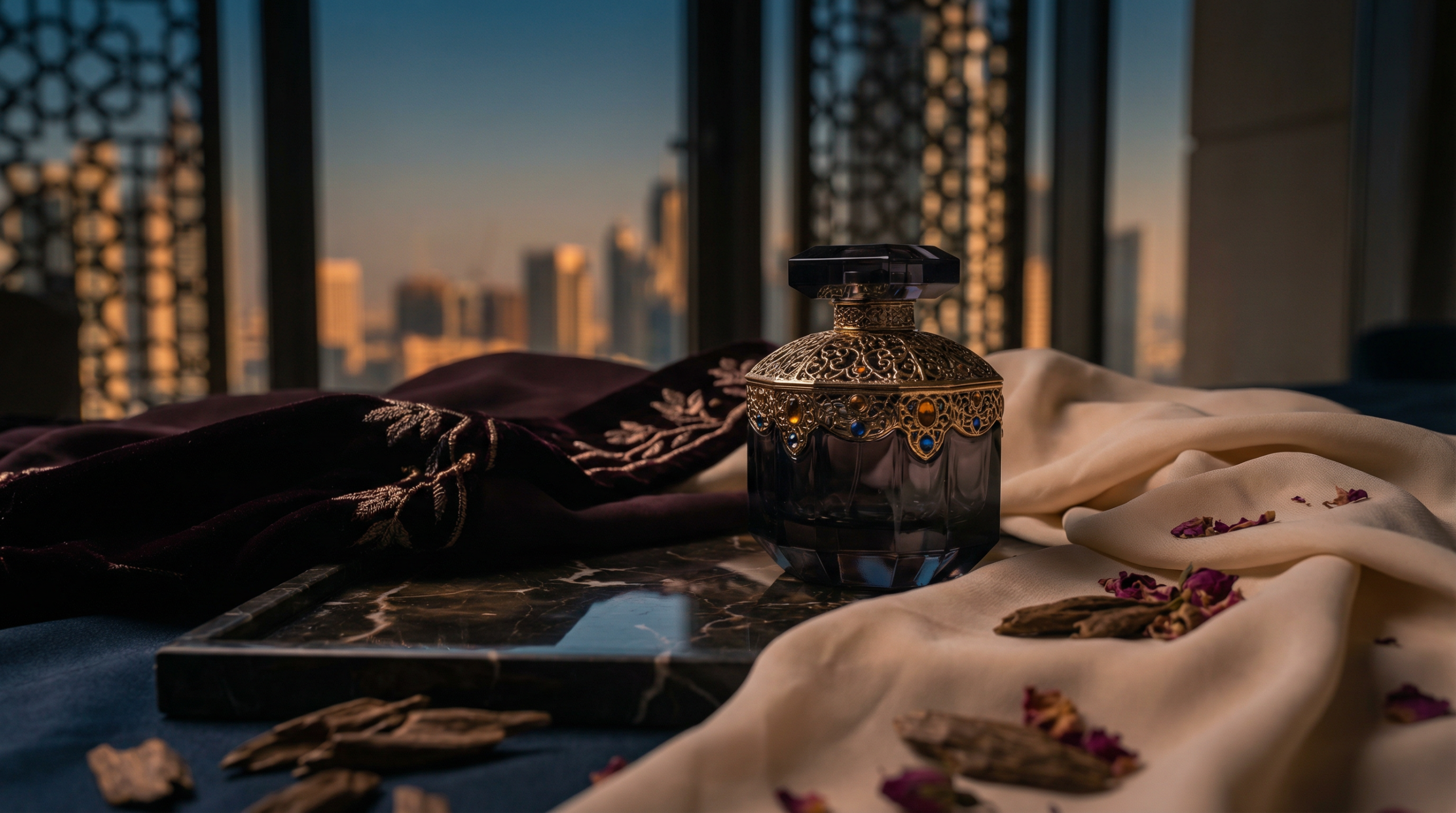

The art of perfume layering has been practiced in the Arabian Peninsula for centuries, transforming fragrance from a simple application into a sophisticated ritual. For fashion-conscious women in the GCC, mastering this technique means carrying an elegant scent signature from morning prayer through evening gatherings.
The Essence of Arabic Perfumery: More Than Just a Scent
Arabic perfumery represents a cultural heritage deeply rooted in hospitality, self-care, and personal expression. Unlike many Western fragrances designed for immediate impact, traditional Arabic scents are crafted for gradual revelation and remarkable longevity.
The concentrated nature of these perfumes—whether rich ouds, delicate musks, or amber-based compositions—makes them particularly suited for layering. Each application builds upon the previous, creating depth and complexity that evolves throughout the day. This approach aligns beautifully with the modest fashion aesthetic, where subtlety and refinement take precedence over overt statements.
In 2026, the global fragrance industry continues to recognize what Middle Eastern perfume artisans have always known: true luxury lies in staying power and personalization.
Understanding Your Fragrance Foundation: Attars, Oils, and Sprays
Successful layering begins with understanding the different formulations available. Attars and concentrated oils form the foundation of Arabic perfumery, containing pure fragrance without alcohol. These potent formulations bond directly with skin oils, creating a base that can last 12 to 24 hours.
Alcohol-based sprays, while lighter, provide immediate projection and complement oil-based foundations beautifully. The key is understanding the interaction: oils penetrate and anchor, while sprays diffuse and announce.
For optimal results, start with unscented or lightly scented body oils as your canvas. This creates a moisturized base that helps all subsequent layers adhere better. The UAE’s climate, while modern air conditioning helps, still requires this foundational step for maximum longevity.
Mastering the Art of Layering: Techniques for All-Day Wear
The traditional approach begins with applying concentrated oils to pulse points immediately after bathing when skin is still slightly damp. Focus on wrists, behind ears, the base of the throat, and inner elbows. These warmer areas help diffuse the fragrance naturally.
Allow the oil layer to settle for five to ten minutes before applying spray perfumes. This waiting period prevents the alcohol from breaking down the oils prematurely. Apply sprays to clothing, particularly modest garments like abayas and the underside of hijabs, where fabric fibers hold scent exceptionally well.
A strategic technique involves applying a complementary lighter scent to the abaya’s hem and a richer formulation to the upper body. As you move throughout the day, the interaction creates a dynamic scent experience.
For special occasions, consider the “sandwich method”: oil on skin, followed by a light spray, then another touch of oil on pulse points. This creates extraordinary depth and ensures your signature scent accompanies you through hours of social engagement.
Signature Scents and Cultural Harmonies: Building Your Perfume Wardrobe
Arabic perfumery traditionally works with distinct fragrance families that layer harmoniously. Oud-based scents pair beautifully with rose, saffron, or sandalwood notes. Amber compositions complement vanilla, musk, and warm spice accords.
Building a thoughtful perfume wardrobe means selecting two to three complementary fragrances that share similar base notes. This allows creative layering without clashing. For instance, a rose attar can be paired with an oud spray, or a pure musk oil with a floral spray.
Consider the occasion and time of day. Lighter florals and citrus notes work well for daytime and professional settings, while deeper ouds and ambers suit evening gatherings and formal events. The beauty of layering is the flexibility to adjust intensity based on context.
Optimizing Longevity: Applying Perfume with Modest Fashion in Mind
Modest fashion presents unique advantages for fragrance longevity. The layers of fabric in abayas and hijabs trap scent molecules, releasing them gradually throughout the day. Apply perfume to the inner lining of your abaya’s collar and sleeves, creating pockets of fragrance that activate with movement.
Hijab fabrics, particularly silk and high-quality cotton, hold perfume exceptionally well. A light mist on the underside, away from your face, creates a personal scent cloud. Avoid over-saturating, as the enclosed space near your face amplifies fragrance.
In the GCC’s climate-controlled environments of 2026, perfumes behave differently than in constant heat. Indoor cooling preserves scent integrity, while brief outdoor exposure can intensify projection. Adjust your application based on your daily routine.
Beyond the Application: Everyday Habits for Lasting Fragrance
Fragrance longevity extends beyond application technique. Store perfumes in cool, dark places away from direct sunlight and humidity. Bathroom storage, despite its convenience, degrades perfumes faster than bedroom drawer storage.
Maintain well-moisturized skin through regular use of unscented body lotions. Dry skin absorbs and disperses fragrance quickly, reducing longevity. Hydrated skin creates the ideal canvas for perfume adherence.
Consider your diet and hydration levels—they affect your skin’s chemistry and how fragrances develop. Well-hydrated bodies maintain scent better than dehydrated ones.
Rotate your fragrances regularly to prevent olfactory fatigue. When you wear the same scent daily, your nose adapts and stops registering it, even though others still perceive it.