
No products added!
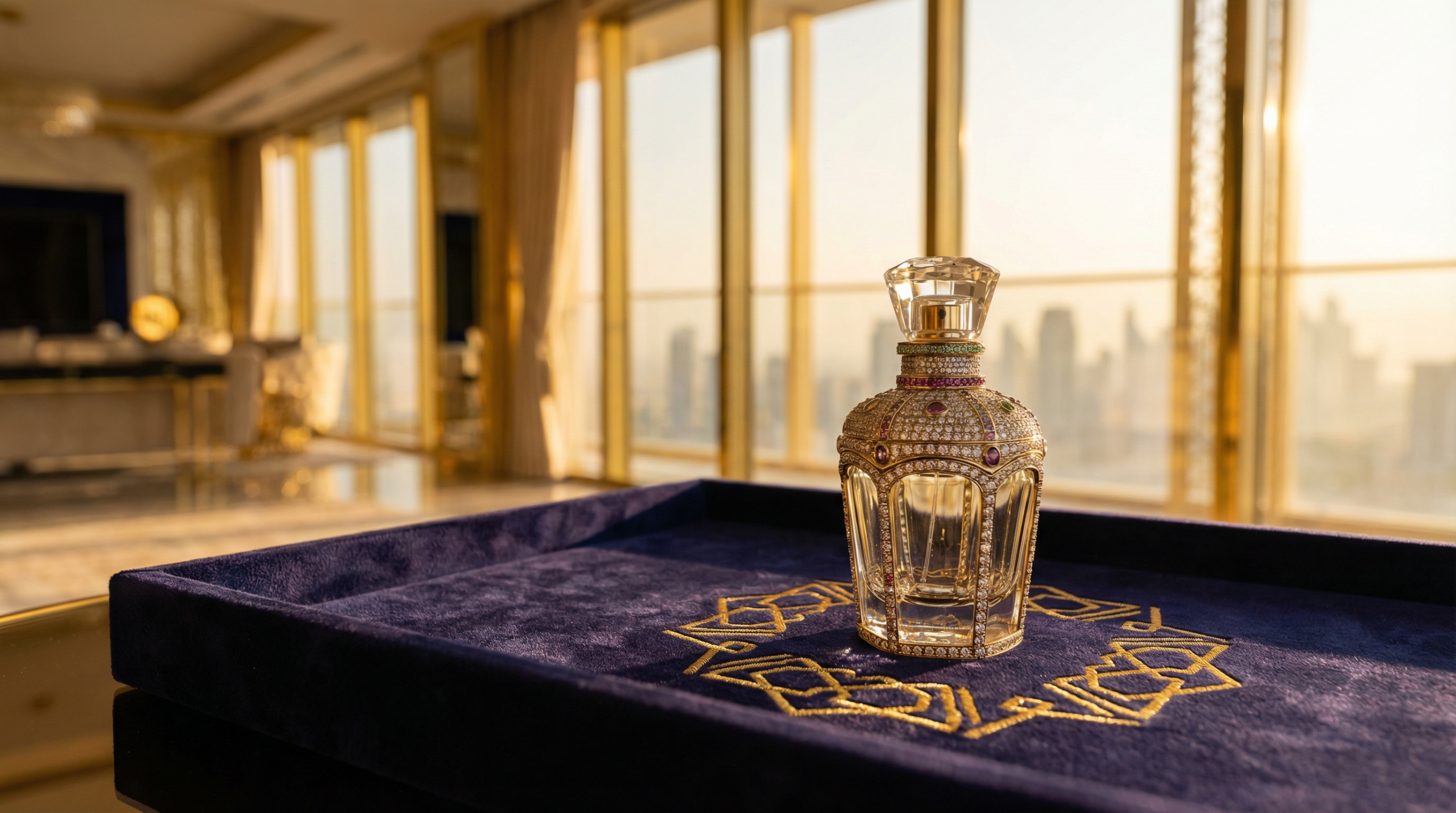

In the hushed ateliers of the world’s finest jewelry houses, a centuries-old tradition persists—one that has nothing to do with cuts, clarity, or carats. It’s the ancient art of scenting precious stones, a practice that transforms the experience of luxury from purely visual to profoundly sensory. For the discerning woman in the GCC, where both fragrance and fine jewelry hold deep cultural significance, this intersection represents the pinnacle of refined taste.
The Unseen Symphony: Connecting Diamonds to Ancient Elixirs
Long before modern perfumery emerged as an industry, Middle Eastern traders understood that scent amplified the allure of precious objects. Historical records reveal that royal families across the Arabian Peninsula stored their finest jewels alongside chunks of raw ambergris and aged oud wood. The practice wasn’t merely about preservation—it was about creating an olfactory signature that announced wealth and discernment before a single gemstone caught the light.
This tradition reflected a sophisticated understanding of luxury that went beyond the material. When a woman opened her jewelry box, the rush of warm, resinous aroma prepared her senses for the visual splendor to follow. The scent became inseparable from the memory of wearing these treasures, creating a multisensory experience that modern luxury markets are only now beginning to rediscover.
In 2026, this ancestral wisdom has evolved into something even more refined. Contemporary perfumers and gemologists are collaborating in ways that honor these historical practices while pushing the boundaries of artisanal craftsmanship.
Whispers of Scent: The Art of Infusing Brilliance
The concept of “scenting diamonds” operates on multiple levels in today’s luxury landscape. At its most literal, some jewelry houses maintain private fragrance wardrobes—dedicated scents that subtly perfume presentation boxes, velvet cushions, and even the cleaning solutions used for fine pieces. These signature aromas become part of the brand’s invisible identity, recognized by connoisseurs even in the absence of visual cues.
More abstractly, perfumers have begun creating fragrances inspired by specific gemstones. A diamond-inspired scent might feature crystalline aldehydes, transparent musks, and sharp citrus notes that evoke the stone’s clarity and brilliance. These compositions capture not the smell of the gem itself, but rather its character—its sparkle, its endurance, its ability to fracture light into infinite colors.
The process requires exceptional skill and sensitivity. Master perfumers spend months studying how light moves through different cuts of stones, translating visual experiences into olfactory narratives. It’s a deeply artistic endeavor that mirrors the precision gemologists apply when evaluating color saturation or fluorescence.
Beyond the Bloom: Sourcing Scents Worthy of a Gem
Creating fragrances that stand alongside the world’s finest jewelry demands ingredients as rare as the gems themselves. The perfumery equivalent of flawless diamonds includes materials like Taif rose absolute, wild-harvested frankincense from Dhofar, and vintage sandalwood from Mysore—ingredients that may cost thousands of dollars per kilogram.
These precious essences share qualities with fine gemstones: rarity, complex beauty, and the ability to improve with proper aging. A twenty-year-old oud resin possesses depth and complexity comparable to a heritage diamond passed through generations. Both require patient cultivation, expert evaluation, and respectful handling.
For the GCC market, where fragrance literacy runs exceptionally deep, this connection feels intuitive rather than contrived. Women who can distinguish between different oud varieties by scent alone naturally appreciate the parallels between perfume craftsmanship and gemology. Both arts demand years of training, cultural knowledge, and an almost spiritual reverence for natural materials.
The Gifting of Gems and Aroma: A Cultural Tapestry, Amplified
In Gulf cultures, gifting combines symbolism, generosity, and personal connection in ways that Western markets often miss. The practice of presenting both jewelry and fragrance during celebrations like weddings or Eid reflects an understanding that true luxury engages multiple senses and creates lasting memories.
When a mother gifts her daughter a piece of fine jewelry accompanied by a signature scent, she’s not simply giving objects—she’s transferring knowledge, taste, and family heritage. The fragrance becomes a time machine, capable of transporting the wearer back to significant moments with a single breath.
This cultural context explains why the diamond-scent connection resonates so powerfully in the region. It’s not a marketing innovation but rather a contemporary expression of deeply rooted traditions around beauty, memory, and sensory refinement.
Future Echoes: Sustainability and the Evolving Diamond-Scent Narrative
As 2026 unfolds, both the jewelry and perfume industries face increasing pressure to demonstrate ethical sourcing and environmental responsibility. This convergence has sparked interesting innovations—lab-grown diamonds paired with fragrances featuring renewable ingredients, or vintage jewelry restoration accompanied by perfumes made from upcycled botanical waste.
The “secret” processes of yesteryear are becoming more transparent as consumers demand accountability. Yet the mystique remains, now rooted in artisanal skill and sustainable practices rather than mere exclusivity.