
No products added!
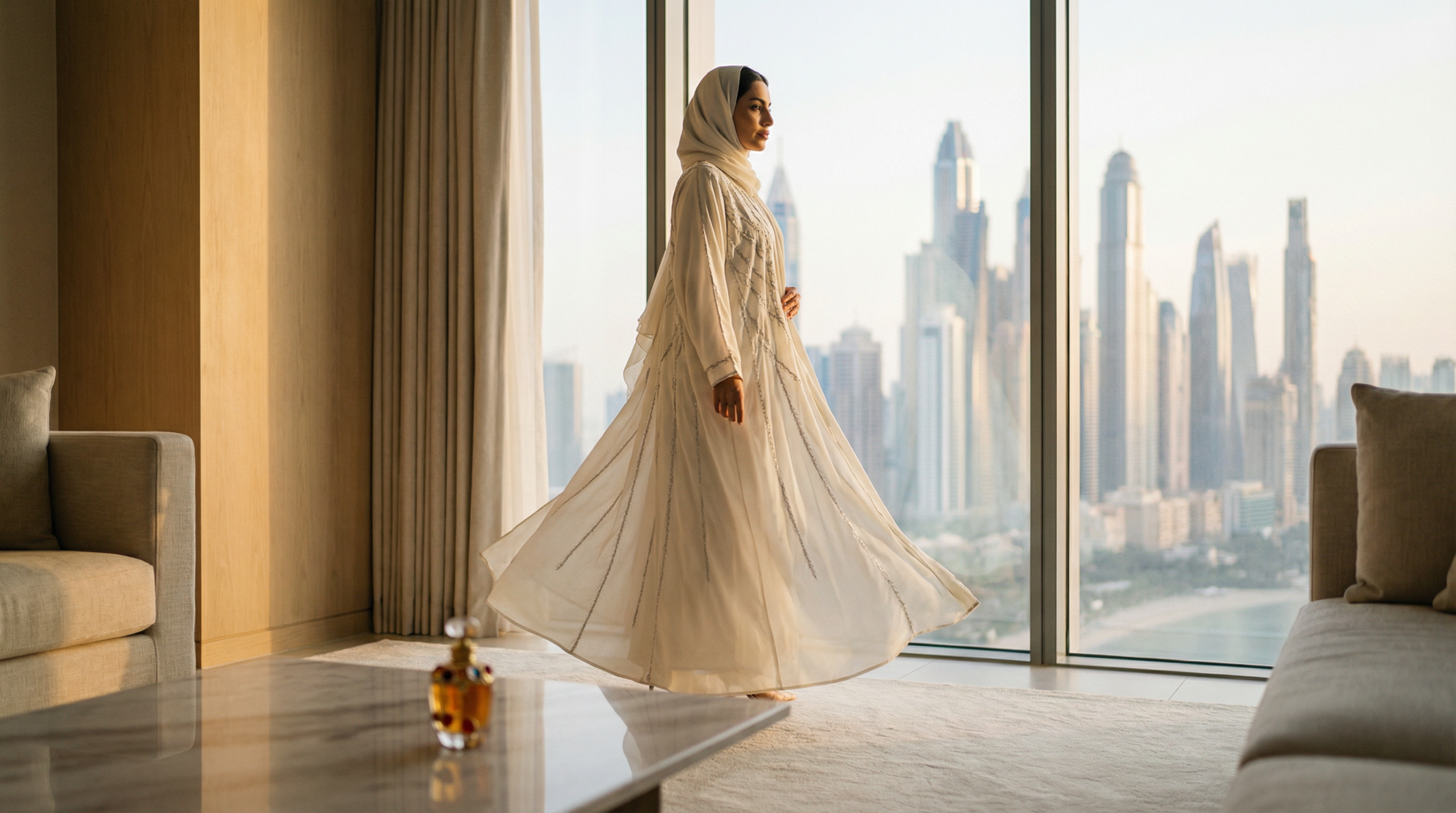

The pre-dawn hours hold a sacred stillness that transforms ordinary mornings into extraordinary spiritual experiences. For Muslim women across the GCC, Fajr represents more than a religious obligation—it’s an opportunity to anchor the entire day in intentionality, grace, and divine connection. As we navigate 2026, establishing a streamlined yet meaningful Fajr routine becomes essential for balancing spiritual devotion with our modern, dynamic lifestyles.
Embracing the Golden Hour: Setting Intentions for 2026
The moments before Fajr offer unparalleled clarity for personal reflection and goal-setting. This year, approach your dawn prayers as a daily reset button for your aspirations—whether professional ambitions, family relationships, or personal growth targets.
Consider keeping a simple journal beside your prayer mat. Before beginning your wudu, spend thirty seconds writing one intention for the day. This practice transforms abstract goals into concrete commitments witnessed during the most blessed hours.
The pre-dawn silence naturally amplifies mindfulness. Unlike the rushed energy of afternoon or evening prayers, Fajr allows you to connect with your higher purpose without distractions. Research in chronobiology confirms that early morning hours enhance cognitive function and emotional regulation—benefits that extend far beyond spiritual practice.
The 5-Minute Celestial Blueprint: A Step-by-Step Fajr Ritual
Minute 1: Wake naturally or with a gentle alarm. Resist checking your phone. Instead, begin with dhikr—simple remembrance phrases that center your consciousness before worldly concerns enter your mind.
Minute 2: Complete wudu with deliberate, graceful movements. The ritual purification becomes meditative when performed without rushing, allowing each element to prepare both body and spirit.
Minute 3-4: Perform your two rakaat sunnah and fard prayers with focused presence. Position your prayer mat toward natural light sources when possible, as the gradual dawn brightens your physical space while spiritual illumination grows within.
Minute 5: Conclude with brief dua specific to your current life circumstances. Rather than lengthy supplications, choose quality over quantity—three heartfelt requests carry more weight than rushed recitations.
Elevating Your Presence: Modest Attire for Serene Beginnings
The clothing you choose for Fajr significantly impacts your prayer experience. Opt for loose-fitting garments in natural fabrics—cotton, silk, or lightweight wool—that allow unrestricted movement during prostration while maintaining dignified coverage.
Consider designating specific prayer sets separate from sleepwear. This distinction creates a psychological boundary between rest and worship. Neutral tones like ivory, soft taupe, or dusty rose enhance the serene dawn atmosphere without visual distraction.
Long, flowing abayas or prayer dresses with understated embroidery honor both modesty and aesthetic sensibility. The key lies in selecting pieces that make you feel spiritually elevated rather than simply covered. When you feel beautiful in worship, your connection to prayer deepens naturally.
Keep a dedicated lightweight scarf near your prayer space to eliminate morning decision fatigue. Simplicity in preparation allows more energy for spiritual focus.
Awakening the Senses: Gemstone-Infused Perfumes for Inner Harmony
Fragrance plays a profound yet often overlooked role in spiritual rituals. The olfactory system connects directly to the limbic brain regions governing emotion and memory, making scent a powerful tool for establishing sacred routines.
Gemstone-infused perfumes combine aromatherapy principles with mineral energy traditions valued across Middle Eastern cultures. For Fajr specifically, seek formulations featuring grounding base notes—oud, sandalwood, or amber—balanced with uplifting top notes like bergamot or neroli.
Apply a minimal amount to pulse points after wudu but before prayer. The subtle fragrance becomes an olfactory anchor, training your mind to enter contemplative states more readily. Over time, this sensory cue alone can trigger the peaceful focus associated with your morning practice.
Rose-based perfumes with ruby or moonstone infusions resonate particularly well with dawn energy, symbolizing new beginnings and divine feminine wisdom. Avoid heavy, cloying scents that might distract rather than enhance your spiritual state.
Cultivating Barakah: Extending the Blessings Beyond Fajr
The true power of a Fajr routine manifests in how its blessings permeate your entire day. After prayer, resist immediately diving into digital devices or household tasks. Instead, spend two minutes in quiet reflection or read a short passage from spiritual texts.
This transitional buffer allows the tranquility cultivated during prayer to settle into your consciousness rather than dissipating immediately. Consider preparing a simple breakfast—dates, water, perhaps Arabic coffee—consumed mindfully as an extension of your worship.
The discipline of waking for Fajr naturally structures better sleep hygiene, encouraging earlier evening routines that align with circadian health. Many women find that consistent Fajr observance reduces anxiety and increases overall life satisfaction.