
No products added!
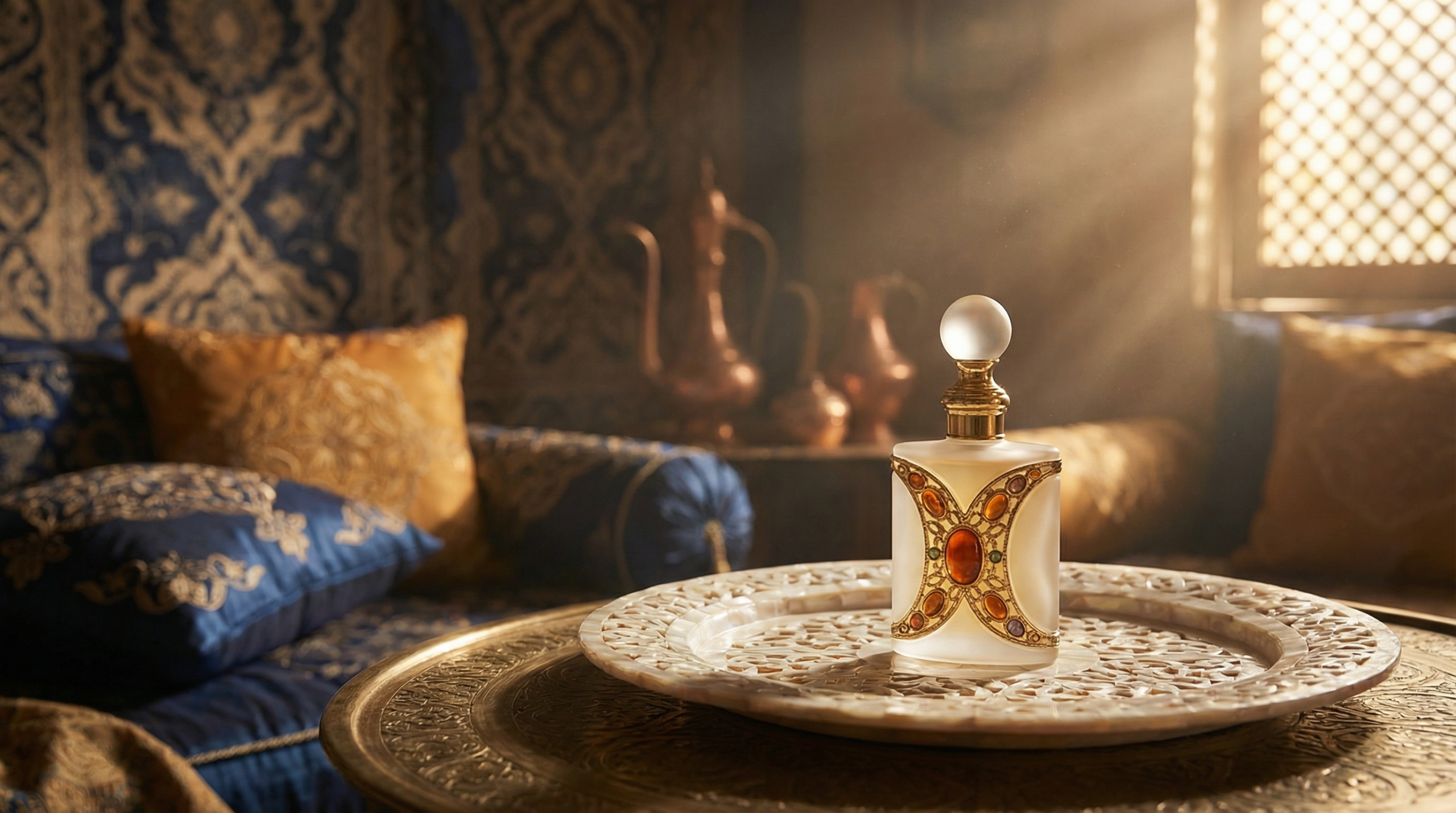

The Enduring Scent of History: Unveiling the Gulf’s Perfume Legacy
Long before the glittering skylines and international perfume houses arrived in the Gulf, the region possessed an aromatic soul rich with tradition and meaning. The ancient perfume practices of the Old Gulf were not mere cosmetic pursuits but deeply woven into the fabric of daily life, spirituality, and social identity.
These fragrant traditions were passed down through generations, often in whispered secrets between mothers and daughters, or carefully guarded recipes held by master perfumers. Today, many of these practices have faded into memory, replaced by modern formulations and commercial convenience. Yet their stories remain, offering a window into a world where every scent carried profound significance.
Story 1: The ‘Attar of the Pearl Divers’ – A Maritime Aromatic Tale
In the coastal villages of the pre-oil Gulf, pearl divers would prepare for their dangerous descents into the depths with more than just prayers. A specialized attar, crafted from ambergris found along the shores, combined with wild coastal herbs and aged sandalwood, served as both protection and remembrance.
The wives and mothers of these divers would apply this precious blend to their men’s pulse points before each voyage. The scent was believed to carry prayers for safe return, while the ambergris—itself a gift from the sea—symbolized the ocean’s blessing. When divers returned, often after months at sea, the faint trace of this attar on their worn garments became a powerful reminder of home.
This practice disappeared as pearl diving declined in the mid-20th century. The specific formula, once held by elder women in each diving community, was lost as the maritime economy transformed virtually overnight.
Story 2: ‘Bakhour Al Sahra’ – The Desert’s Secret Smoke
Deep in the desert interior, Bedouin tribes maintained a distinct bakhour tradition that diverged significantly from coastal practices. This particular incense blend utilized rare desert resins collected during specific lunar phases, combined with dried desert roses and a particular variety of frankincense that grew only in remote wadis.
The preparation ritual was equally important as the ingredients themselves. Women would grind the resins by hand during the coolest hours before dawn, reciting traditional poems that had been passed down for centuries. This bakhour was reserved for the most significant occasions: marriages, births, and the welcoming of honored guests.
The smoke from this blend was said to carry intentions skyward, creating a bridge between the earthly and spiritual realms. Elaborate censers, often family heirlooms, would be passed through tents, ensuring every guest carried the blessing of the smoke on their garments. As settled life replaced nomadic traditions, the knowledge of this specific blend—and the ceremonies surrounding it—gradually faded from practice.
Story 3: ‘Misk Al Qasr’ – Royal Resonances of Lost Fragrances
The ruling families of the Old Gulf maintained exclusive perfume traditions that reflected their status and diplomatic connections. Historical accounts speak of a particular musk-based perfume that required two years of preparation, involving ingredients from trade routes spanning three continents.
This royal scent combined the finest Cambodian oud with Ethiopian musk, Persian rose absolute, and Indian saffron, all suspended in aged sandalwood oil. The preparation followed a precise seasonal calendar, with each ingredient added during specific astronomical events. Master perfumers who created these blends held positions of great respect and influence within palace circles.
These formulations were never written down, existing only in the memories of appointed perfumers who trained single apprentices. When political changes swept through the region in the mid-20th century, many of these perfumers dispersed, taking their knowledge with them. The exact compositions of these royal perfumes remain mysteries, known only through fragmentary descriptions in historical letters and diplomatic accounts.
The Art of Revival: Echoes of the Past in Modern Scents
Contemporary perfumers and cultural historians are working to piece together these lost traditions through oral histories, historical documents, and chemical analysis of antique perfume vessels. While exact recreations may be impossible, understanding the philosophy and cultural significance behind these blends enriches the modern appreciation of oriental perfumery.
The emphasis on natural ingredients, lengthy aging processes, and the spiritual dimension of scent application continues to influence luxury perfumery in 2026. These ancient practices remind us that perfume was never simply about pleasant aromas—it was a language of identity, prayer, and community.
Preserving the Aromatic Soul of the Old Gulf
The lost perfume stories of the Old Gulf represent more than vanished formulas. They embody an entire worldview where scent served as memory keeper, spiritual connector, and cultural identifier. Each of these traditions arose from the specific geography, economy, and social structures of their time.
Understanding these narratives deepens appreciation for the region’s contemporary fragrance culture. The next time you encounter traditional oud or watch bakhour smoke spiral upward, consider the centuries of meaning embedded in these rituals. These whispers from the past continue to shape how the Gulf region approaches perfumery—honoring heritage while embracing innovation, maintaining the belief that truly meaningful scents carry stories far deeper than their surface notes.