
No products added!
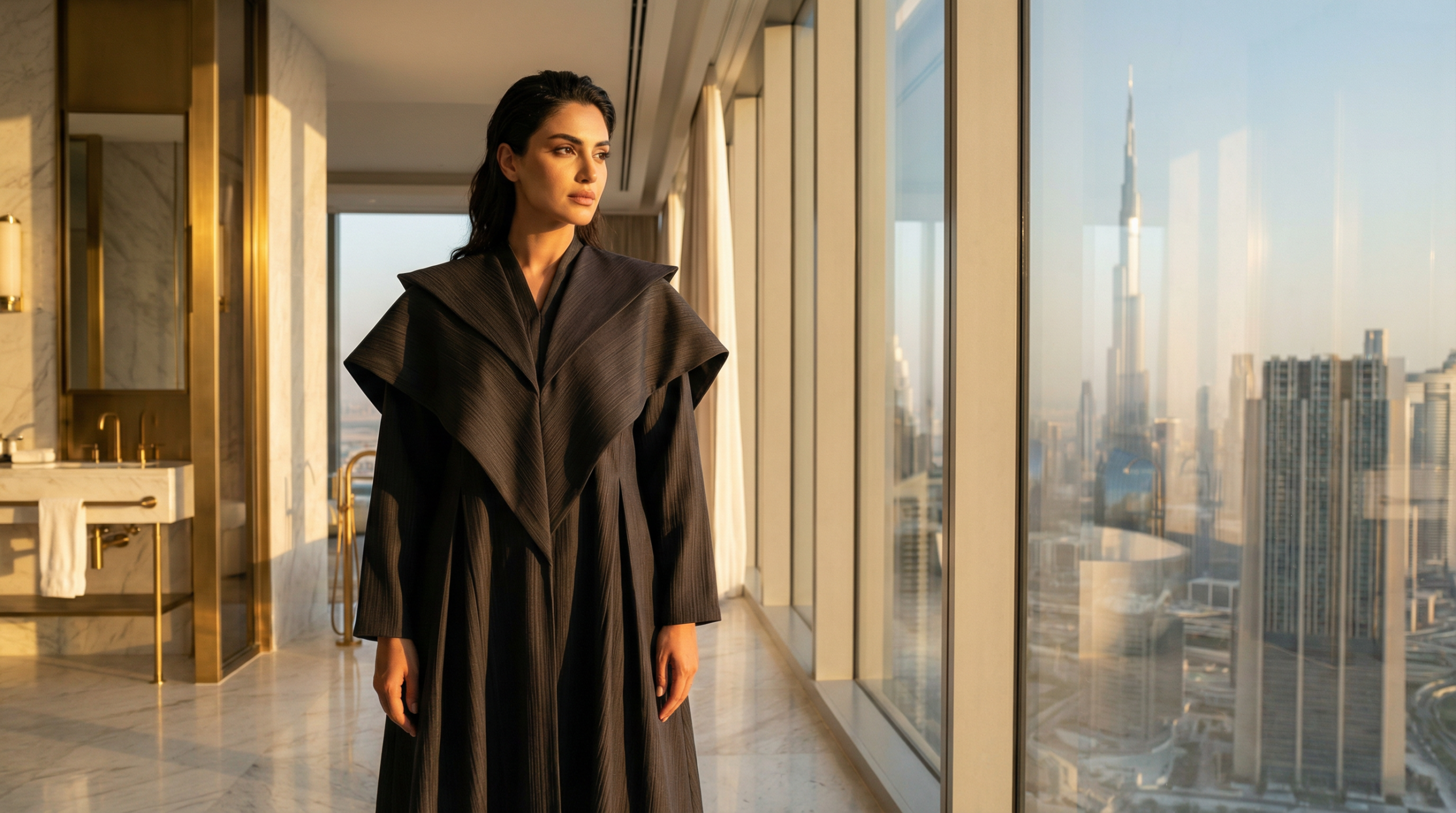

Understanding the ‘Architectural Abaya’: Beyond Structure
The architectural abaya represents a revolutionary shift in modest fashion design, characterized by deliberate structural elements that challenge traditional flowing silhouettes. Think sharp lapels, exaggerated shoulders, geometric cutouts, and three-dimensional folds that create visual interest through form rather than embellishment.
Unlike conventional abayas that drape softly, architectural designs incorporate tailoring techniques borrowed from haute couture—princess seams, structured pleating, and angular hemlines that create dimension. These pieces function as wearable art, transforming the abaya from a simple garment into a statement of contemporary identity. The beauty lies in how these designs maintain full coverage while celebrating the female form through innovative construction rather than revealing cuts.
This evolution reflects a broader movement within modest fashion, where Muslim women seek garments that honor tradition while expressing individual style and sophistication. The architectural approach proves that modesty and fashion-forward design aren’t mutually exclusive concepts.
Dubai as the Epicenter: Why Architectural Designs Thrive Here
Dubai’s skyline serves as the perfect metaphor for this fashion trend. The city’s architectural marvels—from the Burj Khalifa’s vertical ambition to the Museum of the Future’s organic curves—create a visual environment where bold structural design feels natural and aspirational.
The emirate’s position as a global fashion hub attracts designers who understand the intersection of cultural authenticity and international trends. Fashion weeks and luxury retail experiences in Dubai showcase cutting-edge modest wear to an audience that appreciates innovation. Women here navigate multiple worlds daily, transitioning from business meetings to social gatherings, demanding versatile pieces that command attention without compromising values.
Dubai’s cosmopolitan energy encourages experimentation. The city rewards confidence and individuality, making it fertile ground for architectural abayas that push boundaries while respecting tradition. This cultural openness combined with purchasing power creates the ideal market for premium, design-focused modest wear.
Regional Adaptations: Architectural Abayas Across the GCC
While Dubai leads the trend, each GCC nation interprets architectural abayas through its unique cultural lens. Saudi Arabian women often favor bolder shoulder structures and dramatic sleeves, reflecting the Kingdom’s rapid modernization while maintaining traditional black as the preferred base color.
Kuwaiti fashion enthusiasts embrace asymmetrical hemlines and unexpected fabric combinations, mixing structured jackets with flowing lower sections. Qatari preferences lean toward understated elegance—clean lines and minimal embellishment that whisper rather than shout. Bahrain and Oman showcase more experimental color palettes, introducing navy, charcoal, and deep jewel tones into the architectural abaya vocabulary.
These regional variations demonstrate how a single trend adapts to local tastes while maintaining core design principles. Understanding these nuances helps fashion-conscious women select pieces that resonate with their specific cultural context.
Styling Your Statement: Integrating Perfume with Architectural Silhouettes
Architectural abayas demand equally sophisticated fragrance choices. The clean lines and bold structures pair beautifully with perfumes that make equally confident statements—think rich oud compositions, intense rose absolutes, or complex amber blends that linger memorably.
Consider the occasion when pairing fragrance with structured garments. Daytime architectural pieces with sharp tailoring call for fresh, citrus-forward scents that feel crisp and professional. Evening designs with dramatic shoulders or geometric details deserve deeper, more mysterious fragrances featuring precious woods and resins.
The key lies in creating a cohesive personal aesthetic. Just as architectural abayas use structure to create presence, luxury perfumes use carefully composed notes to craft an olfactory signature. Both should feel intentional, sophisticated, and unmistakably you.
Fabrics and Functionality: Balancing Form with Comfort in the GCC Climate
The GCC’s challenging climate demands careful fabric selection. Architectural designs require materials that hold structure without adding unbearable weight or heat retention—a delicate balance in regions where summer temperatures regularly exceed 40°C.
Innovative lightweight crepes maintain crisp lines while allowing airflow. Technical neoprene blends offer structure with surprising breathability. Linen-silk combinations provide natural temperature regulation while holding dramatic folds and pleats. Some designers incorporate laser-cut details that create geometric patterns while improving ventilation.
The winter months from November through March offer more flexibility, allowing heavier wools and structured twills that truly showcase architectural elements. Understanding seasonal fabric choices ensures these statement pieces remain wearable year-round.
The Future of Modesty: Predictions for Architectural Abayas Post-2026
The architectural abaya trend shows no signs of fading. Instead, expect continued evolution toward sustainability, with designers exploring eco-friendly structured fabrics and zero-waste pattern cutting. Technology will likely play a larger role, with 3D-printed elements and smart textiles that adapt to temperature.
Customization will become increasingly accessible, allowing women to commission pieces tailored to their specific proportions and style preferences. This personalization honors the core principle that modest fashion should celebrate individual expression within cultural frameworks.
The architectural movement ultimately redefines what modest fashion can be—proving that innovation, luxury, and tradition can coexist beautifully. For fashion-conscious women across the GCC, these designs offer a powerful way to express contemporary identity while honoring cultural heritage. The future of modest fashion looks structured, sophisticated, and decidedly architectural.