
No products added!
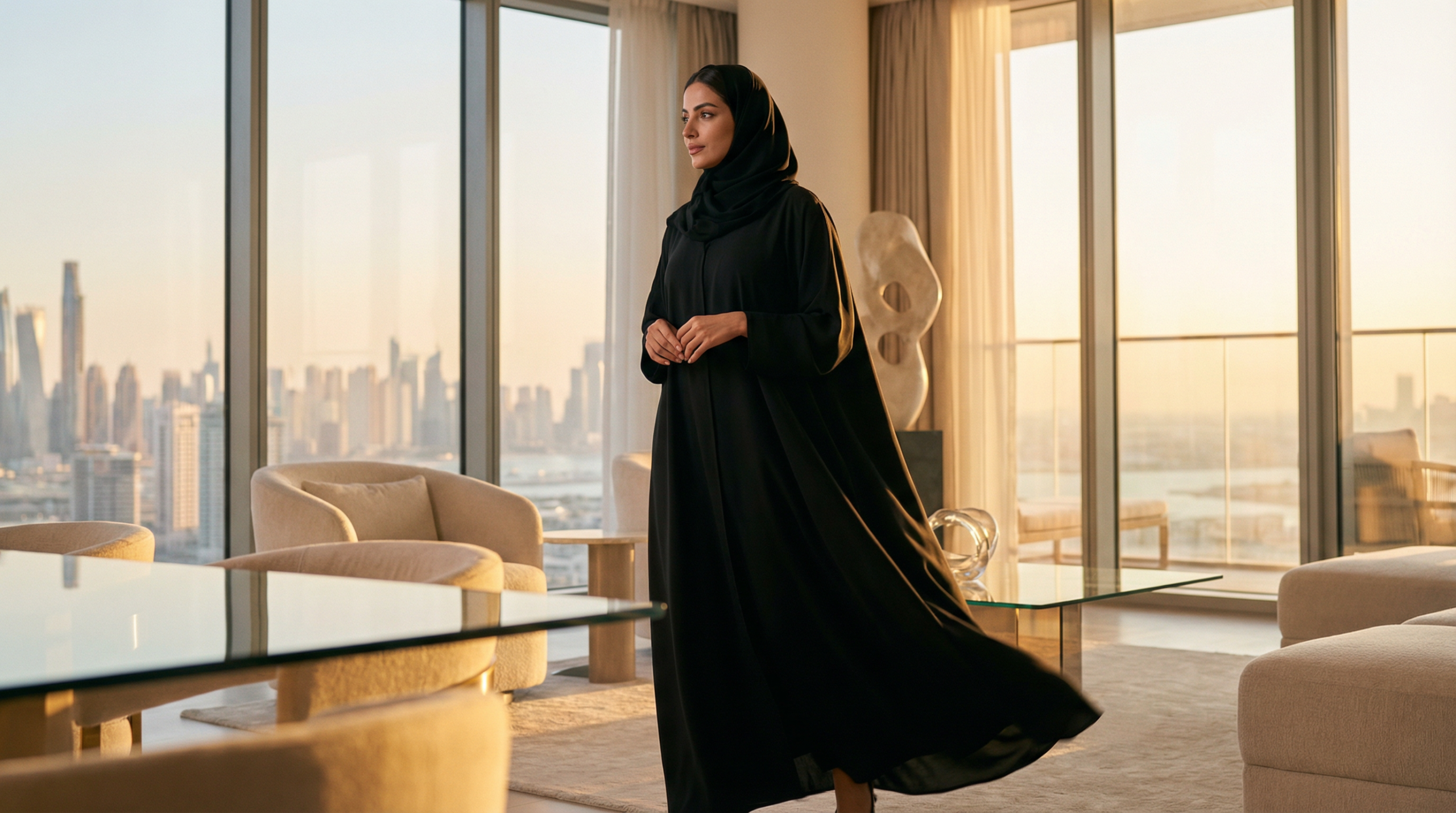

Understanding the Criteria: What Defines an Abaya Fabric’s ‘Best’ or ‘Worst’?
When evaluating abaya fabrics for the GCC climate and lifestyle, several critical factors determine quality and wearability. Breathability tops the list, especially given the region’s intense heat that extends well beyond summer months. A fabric’s ability to allow air circulation while maintaining modesty is non-negotiable.
Drape quality significantly impacts how an abaya falls and moves, affecting both elegance and comfort. The best fabrics create beautiful, flowing silhouettes without clinging or adding unnecessary bulk. Weight matters too—heavier fabrics may look luxurious but become impractical during extended outdoor wear in Dubai’s or Riyadh’s climate.
Durability and maintenance requirements determine long-term value. Premium fabrics should withstand regular wear and cleaning while maintaining their appearance. Cultural appropriateness includes opacity, appropriate texture, and alignment with modest fashion principles. Finally, versatility across occasions—from daily errands to formal events—elevates a fabric’s ranking considerably.
Fabrics to Approach with Caution: The ‘Worst’ Performers for Abayas in the GCC
Certain fabrics simply don’t meet the demanding requirements of the region’s climate and lifestyle expectations. Heavy velvet, while visually striking, traps heat mercilessly and becomes unwearable for more than brief indoor occasions. The weight alone makes movement cumbersome, contradicting the graceful flow essential to elegant abayas.
Thick brocade presents similar challenges. Though beautiful for special occasions, its density and lack of breathability make it impractical for regular wear. The metallic threading common in brocade can also irritate skin in warm conditions.
Polyester blends with high synthetic content deserve careful consideration. While affordable and wrinkle-resistant, low-quality polyester retains heat, doesn’t breathe well, and often develops an unflattering sheen over time. The fabric can feel plasticky against skin and lacks the luxurious hand-feel expected in quality modest wear.
Stiff cotton without proper weaving also underperforms. While cotton generally ranks favorably, poorly processed versions crease excessively and lack the fluid drape necessary for flattering silhouettes.
Good, Better, Best: Ranking Abaya Fabrics for Every Occasion and Climate in 2026
Good Tier: Reliable Daily Options
Quality cotton blends offer excellent starting points for everyday wear. When blended correctly with small percentages of stretch fibers, cotton becomes more wrinkle-resistant while maintaining breathability. These fabrics wash well and suit the region’s practical needs, though they lack the luxurious drape of premium options.
Crepe fabric provides slightly more sophistication with its characteristic texture and moderate drape. It photographs well and suits professional settings, making it ideal for working women seeking modest office attire.
Better Tier: Elevated Choices
Chiffon layers create ethereal, flowing silhouettes perfect for evening events and special occasions. While requiring underlining for modesty, chiffon’s lightweight nature and beautiful movement justify the extra consideration. Double-layered chiffon abayas solve opacity concerns while maintaining breathability.
Nida fabric has become increasingly popular across the GCC market. This matte-finished material offers excellent drape, resists wrinkles admirably, and handles the climate well. Its moderate weight provides year-round wearability.
Best Tier: Premium Performance
Japanese crepe stands among the finest abaya fabrics available in 2026. Its exceptional drape creates elegant, flowing silhouettes while remaining completely opaque. The fabric breathes remarkably well, resists wrinkles, and maintains its appearance through countless wears. Though investment-worthy, Japanese crepe delivers unmatched sophistication.
Premium nida with advanced weaving techniques offers similar benefits with slightly more structure. The latest versions incorporate moisture-wicking properties while maintaining the matte finish and luxurious hand-feel discerning buyers expect.
Fine wool blends designed specifically for warm climates represent innovation meeting tradition. Lightweight merino blends provide temperature regulation, naturally resist odors, and drape beautifully while remaining surprisingly cool.
Beyond the Fabric: Enhancing Your Abaya Experience with Care and Styling
Even the finest fabrics require proper maintenance to preserve their qualities. Hand washing or delicate machine cycles extend fabric life significantly. Air drying prevents heat damage and maintains shape better than tumble drying.
Proper storage matters equally. Hanging abayas on padded hangers prevents shoulder distortion, while breathable garment bags protect against dust without trapping moisture. Cedar accessories deter moths naturally without chemical treatments that might affect delicate fabrics.
Fabric choice also influences how fragrances interact with garments. Natural fibers hold subtle scents beautifully, allowing layered perfume application that becomes part of a signature style. Synthetic fabrics often require different fragrance application strategies.
The 2026 Outlook: Emerging Fabric Innovations and Sustainable Choices
Sustainable fabric development continues gaining momentum across modest fashion markets. Tencel and other wood-pulp-based fabrics offer environmental benefits while providing excellent drape and breathability. These materials suit the GCC climate remarkably well while aligning with growing sustainability awareness.
Technical fabrics incorporating cooling technologies represent another frontier. Some manufacturers now produce fabrics with jade or ceramic particles woven into fibers, providing measurable temperature reduction without compromising modesty or elegance.
The movement toward quality over quantity continues strengthening. Investing in fewer pieces made from superior fabrics creates more sustainable wardrobes both environmentally and economically. A well-chosen abaya in premium Japanese crepe or advanced nida will outperform multiple lower-quality alternatives across years of wear.
By understanding these fabric rankings and choosing materials suited to specific needs and occasions, modest fashion enthusiasts can build wardrobes that honor cultural values while embracing contemporary sophistication and comfort. The key lies in recognizing that fabric quality fundamentally shapes the entire wearing experience, from morning prayers through evening gatherings.