
No products added!
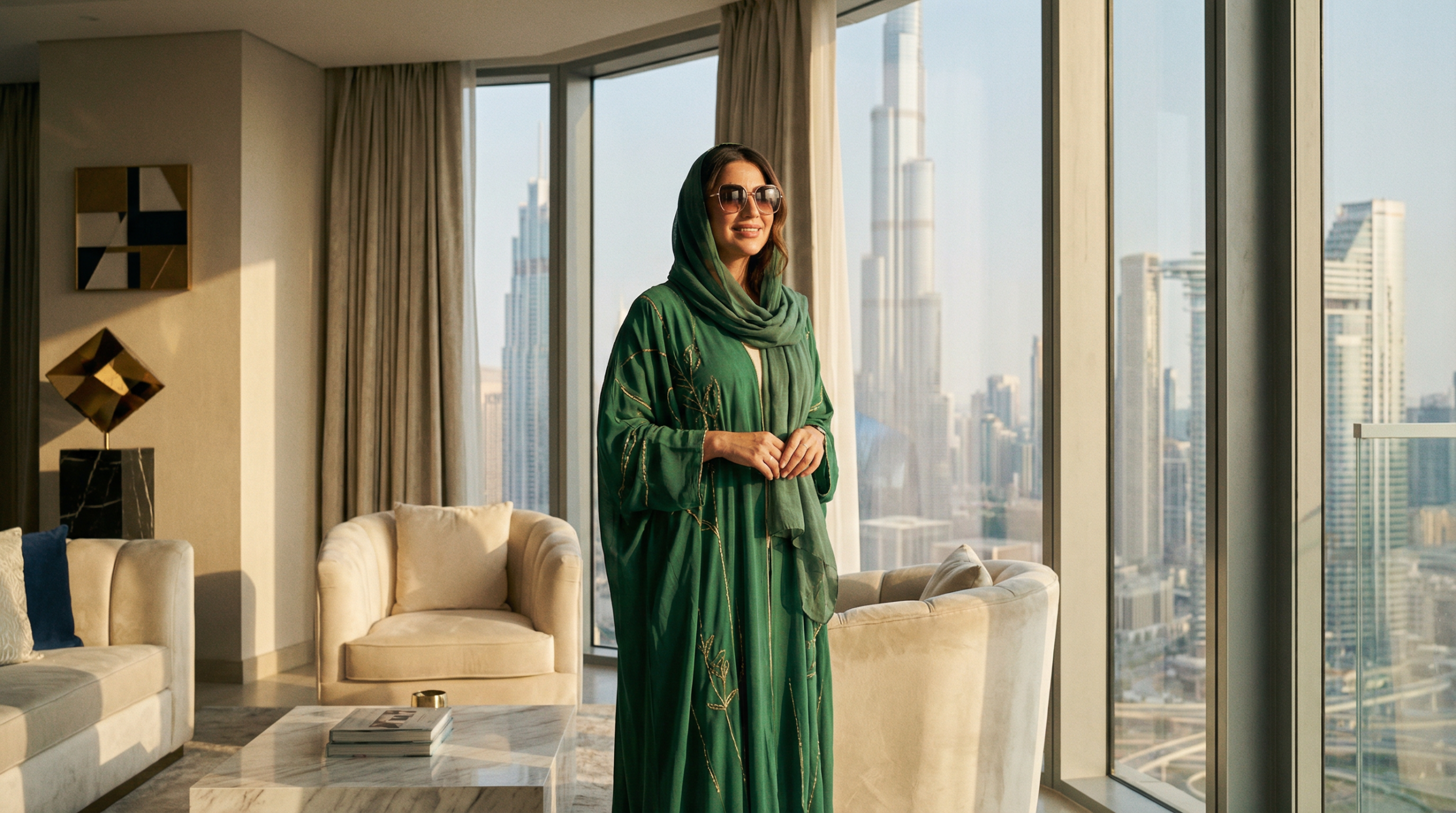

From Heritage to Horizon: Why the Abaya’s Narrative Deepens in 2026
The abaya has always been more than fabric draped across shoulders. In 2026, this garment stands at a fascinating intersection where centuries of cultural tradition meet contemporary expressions of identity. As the modest fashion industry matures globally, women across the GCC are redefining what their abayas represent—not as relics of the past, but as living narratives that evolve with each generation.
This year marks a turning point where the question shifts from “what does my abaya look like?” to “what story does my abaya tell?” The garment’s significance now extends beyond religious observance or cultural tradition into territories of personal identity, artistic expression, and conscious consumption. Understanding this narrative dimension transforms how modern women approach their wardrobes.
The acceleration of digital connectivity means cultural conversations happen instantaneously across borders. Young women in Dubai discuss abaya styling with peers in Riyadh, London, and Jakarta. This interconnectedness hasn’t diluted the garment’s meaning—it has enriched it, creating space for diverse interpretations while maintaining core values of modesty and elegance.
Beyond Fabric: The Abaya as a Canvas for Personal & Cultural Storytelling
Every abaya carries layers of meaning embedded in its creation. The choice of fabric—whether flowing silk, structured wool, or breathable linen—speaks to climate, occasion, and personal preference. Embellishments, from delicate hand-embroidery to modern laser-cut patterns, reflect individual aesthetic sensibilities while often referencing traditional motifs passed down through generations.
Consider how embroidery techniques vary across the Arabian Peninsula. Intricate threadwork that once adorned grandmother’s garments now appears reinterpreted through contemporary design lenses. This continuity creates a tangible link between past and present, allowing wearers to honor heritage while asserting their unique voice.
The colors chosen for an abaya also tell stories. While black remains classic and versatile, the expanding palette of jewel tones, earth shades, and pastels reflects changing attitudes toward modest fashion. A woman selecting a deep emerald abaya for a special occasion makes a different statement than one choosing charcoal grey for daily wear—both equally valid expressions of modest elegance.
Regional variations add another storytelling layer. The UAE’s cosmopolitan culture produces different design sensibilities than more traditional Saudi styles or the fashion-forward approaches emerging from Kuwait. Understanding these nuances helps wearers appreciate the rich tapestry of modest fashion across the region.
Crafting Continuity: Where Luxury Perfumery Meets Modest Fashion’s Legacy
Traditional Arabic perfumery offers fascinating parallels to the abaya’s evolving narrative. Both industries share deep roots in cultural heritage while embracing innovation. The meticulous process of blending precious ingredients—oud, rose, amber, saffron—mirrors the careful craftsmanship required to create exceptional abayas.
Gemstone-infused luxury perfumes exemplify this balance between tradition and advancement. The practice of incorporating precious stones draws from ancient beliefs about their properties and energies, yet modern perfumers apply cutting-edge extraction and blending techniques. This marriage of old and new reflects precisely what’s happening in modest fashion.
Sourcing ethics matter equally in both domains. Just as discerning abaya wearers increasingly question fabric origins and production conditions, fragrance enthusiasts now seek transparency about ingredient sourcing. The journey of precious oud from sustainable forests or ethically harvested roses becomes part of the perfume’s story—adding depth beyond the scent itself.
Both abayas and fine fragrances serve as intimate expressions of identity that others perceive. They create first impressions, convey cultural fluency, and demonstrate personal values through seemingly simple choices.
Conscious Choices: Sustainability and the Abaya’s Enduring Future
Sustainability transforms from buzzword to imperative in 2026’s fashion landscape. The modest fashion sector leads conversations about longevity over fast trends, given cultural emphasis on dignified presentation and quality investment pieces. An abaya designed to last years rather than seasons inherently aligns with sustainable principles.
Fabric selection becomes an ethical decision. Natural fibers like organic cotton, responsibly sourced silk, and innovative sustainable materials offer alternatives to conventional textiles. Understanding these options empowers informed purchasing that reflects environmental consciousness alongside aesthetic preferences.
Craftsmanship quality directly impacts sustainability. A beautifully constructed abaya with reinforced seams, quality zippers, and careful finishing endures far longer than cheaply made alternatives. This emphasis on durability connects to broader heritage values where garments were treasured, maintained, and sometimes passed down.
Defining Your Narrative in Modest Fashion
The power of understanding your abaya’s story lies in intentionality. When you know why certain design elements matter—whether traditional embroidery techniques, sustainable fabric choices, or culturally significant colors—each wardrobe selection becomes meaningful rather than arbitrary.
Building a modest wardrobe in 2026 means curating pieces that align with personal values, lifestyle needs, and cultural identity. This approach naturally leads to fewer, better choices rather than accumulating garments that don’t truly resonate. Quality pieces that tell authentic stories serve you better than trendy items disconnected from deeper meaning.