
No products added!
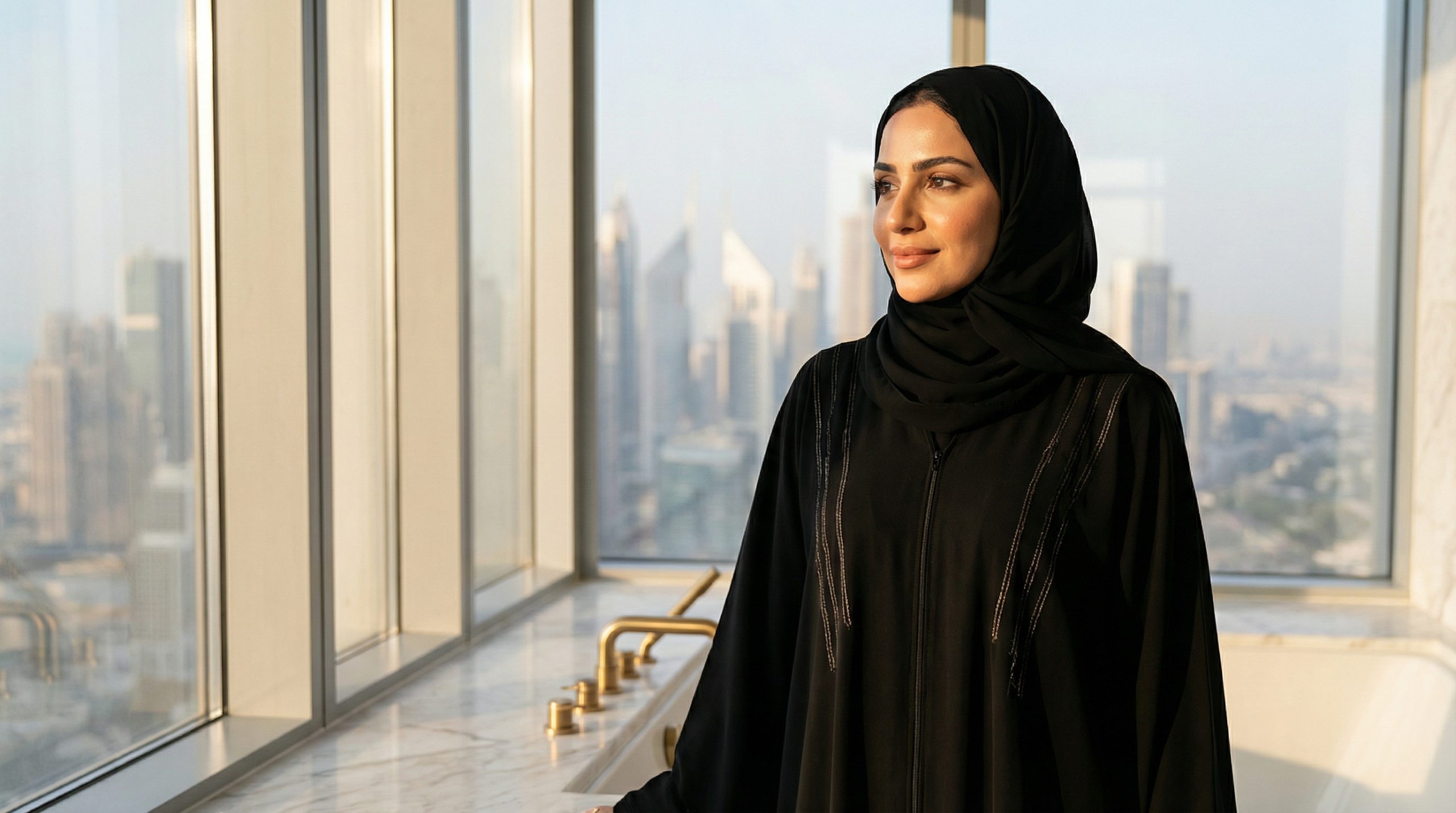

The abaya remains a cornerstone of modest fashion across the GCC, embodying grace, tradition, and personal expression. Yet many women wonder how to enhance their silhouette while maintaining the elegance this garment represents. The answer lies not in compromising modesty, but in understanding the sophisticated interplay of proportion, fabric, and strategic design choices that create visual harmony.
The Art of Abaya Proportions: Crafting a Taller Silhouette
Vertical lines are your most powerful ally when seeking to appear taller. Look for abayas featuring vertical embroidery, subtle pin-tuck detailing along the front panel, or contrasting fabric strips that run from shoulder to hem. These design elements guide the eye upward and downward in one continuous motion, creating an unbroken line that elongates your frame.
The straight-cut abaya, when properly fitted at the shoulders, falls cleanly without adding bulk to the sides. This streamlined silhouette is particularly effective for creating height. Conversely, overly voluminous or heavily gathered styles can overwhelm petite frames and add visual width.
Pay attention to sleeve length and cuff design. Sleeves that end precisely at the wrist bone, rather than bunching or extending past the hand, maintain clean proportions that contribute to an overall polished, lengthened appearance.
Strategic Fabric Choices: Flow, Drape, and Visual Elongation
Fabric selection dramatically impacts how an abaya falls on the body. Lightweight, fluid fabrics like crepe, high-quality georgette, and certain silk blends create graceful draping without clinging or adding bulk. These materials skim the body’s contours, suggesting shape without revealing it.
Heavier fabrics such as thick nida or overly structured materials can add visual weight and volume. While appropriate for certain occasions, they may work against the goal of appearing slimmer. Medium-weight fabrics strike an ideal balance, offering enough structure to maintain shape while allowing natural movement.
Matte finishes generally create a more slimming effect than high-shine materials, which can reflect light and draw attention to width. However, subtle sheen on quality fabrics adds luxury without compromising the slimming effect.
Mastering the Slimming Illusion: Cuts, Layers, and Accents
The open-front abaya, when worn over a coordinating inner dress, creates vertical panels of fabric that naturally slim the silhouette. This layering technique also allows for strategic color blocking—a darker outer abaya over a slightly lighter inner piece creates depth and dimension.
A-line cuts that gently flare from the waist downward balance proportions beautifully. This silhouette defines the narrowest part of the torso while providing comfortable movement, creating an elegant hourglass suggestion without tight fitting.
For those who prefer belted styles, position the belt at the natural waist rather than the hips. This higher placement elongates the legs and creates better overall proportion. Choose slim, elegant belts rather than wide statement pieces, which can visually cut the body in half.
Accessorizing for Impact: Hijabs, Footwear, and Jewelry
Hijab styling significantly influences perceived height. Draping techniques that add subtle volume at the crown create vertical lift, while avoiding excessive fabric bulk around the neck keeps proportions balanced. Long, flowing hijab tails worn in front add vertical lines that complement the abaya’s silhouette.
Footwear transforms your entire look. A modest heel of 2-3 inches, whether in pumps, elegant sandals, or heeled boots, provides instant height while remaining comfortable for daily wear. Even flat shoes with pointed or almond-shaped toes create a more elongating effect than round-toe styles.
Choose long, delicate necklaces that create vertical interest rather than wide, chunky statement pieces. Similarly, slender clutches or structured handbags in elongated shapes complement the vertical aesthetic better than oversized, boxy bags.
Beyond the Abaya: Inner Wear and Monochromatic Harmony
What you wear beneath your abaya matters. Seamless, well-fitted undergarments create a smooth foundation, while bulky or ill-fitting pieces create unwanted lines and volume. Consider investing in quality shapewear designed for modest fashion when additional smoothing is desired.
Monochromatic dressing—wearing the same color family from head to toe—remains one of the most effective slimming techniques. A black abaya paired with black inner wear, black hijab, and black shoes creates an unbroken vertical line. This doesn’t mean limiting yourself to black alone; navy, deep burgundy, charcoal, and rich jewel tones work equally well.
Refining Your Look: Confidence and Cultural Nuance
The most transformative styling secret transcends fabric and cut: confidence. When you feel comfortable and authentic in your choices, that assurance radiates outward. Abaya styling isn’t about conforming to rigid rules, but understanding principles that you can adapt to your personal aesthetic and comfort level.
Consider the occasion when selecting your abaya. A streamlined, minimal design suits professional settings, while more embellished pieces with strategic vertical embroidery shine at social gatherings. Both can employ the same height-enhancing and slimming principles.