
No products added!
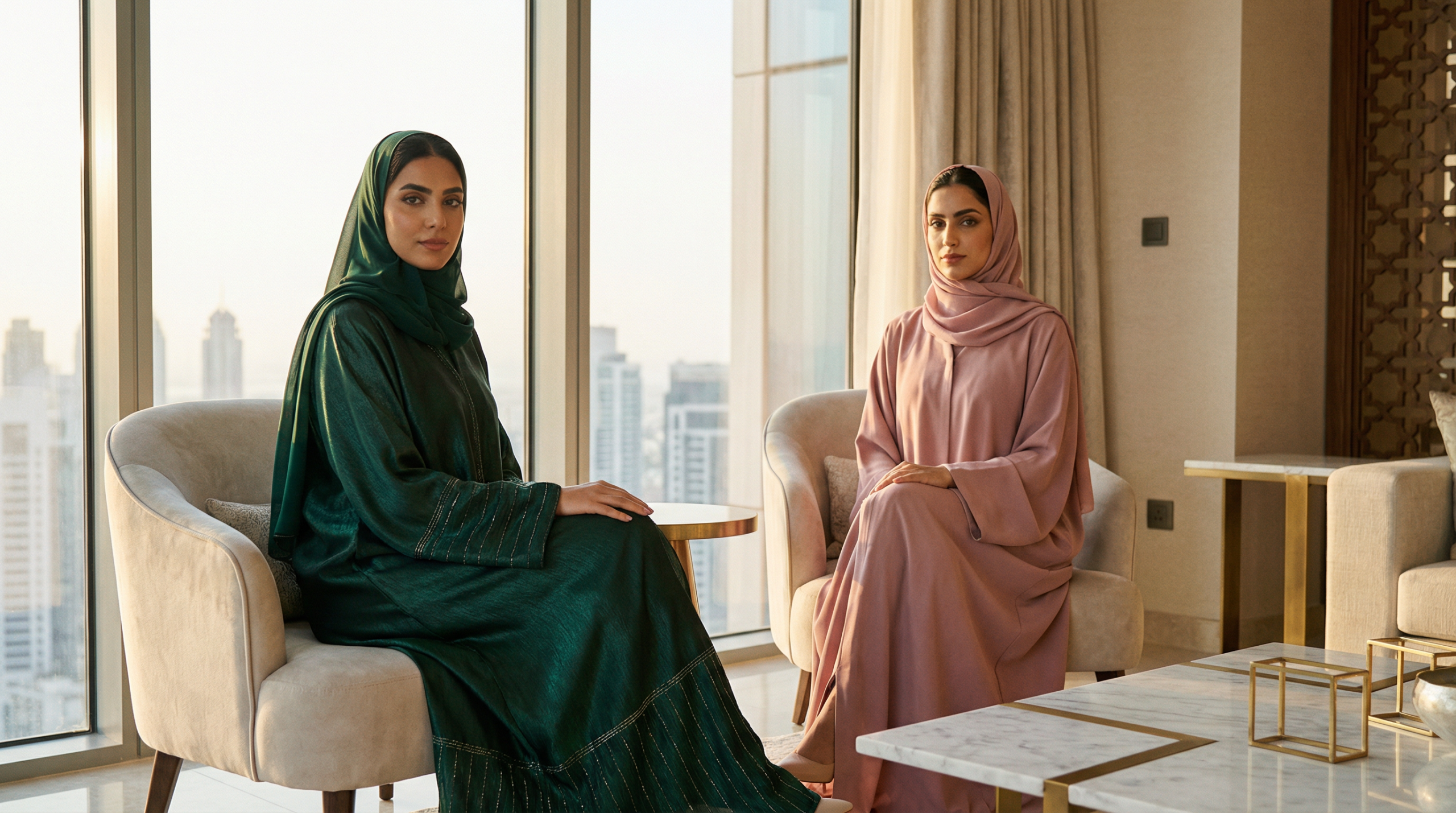

The 2026 Abaya Landscape: Evolving Fabric Preferences in the GCC
The modest fashion industry across the GCC continues its remarkable evolution, with fabric selection becoming increasingly sophisticated among discerning wearers. In 2026, two materials stand at opposite ends of the abaya spectrum: Nida, representing polished elegance and luxury, and Crepe, championing practicality and everyday grace.
Understanding these fabrics goes beyond simple texture comparisons. Today’s fashion-conscious Muslim woman balances multiple roles—professional commitments, social gatherings, family obligations, and personal pursuits—each requiring different levels of formality and comfort. The fabric choice becomes a strategic decision that reflects not just aesthetic preference but lifestyle reality.
The year 2026 brings refined innovations in both materials, with manufacturers addressing climate considerations specific to the Gulf region while maintaining the cultural authenticity that makes the abaya such a powerful expression of identity and faith.
Nida: The Epitome of Elegance for Special Occasions and Luxe Styling
Nida fabric has earned its reputation as the go-to choice for moments that demand visual impact. Its signature characteristic—a subtle, sophisticated sheen that catches light beautifully—creates an unmistakable presence at weddings, Eid celebrations, and formal family gatherings.
The drape of premium Nida variants is exceptional. The fabric flows gracefully, creating elegant silhouettes that move with dignity and poise. This quality makes it particularly suitable for structured cuts and designs featuring intricate embellishments, from delicate embroidery to beaded accents that enhance rather than overwhelm.
However, Nida’s luxury comes with considerations. The fabric’s weight and density, while contributing to its impressive drape, make it less breathable than lighter alternatives. For indoor, air-conditioned environments—common across the Emirates and Saudi Arabia—this poses minimal concern. Yet for extended outdoor wear during warmer months, even in evening hours, comfort may become compromised.
In 2026, Nida innovations include enhanced moisture-wicking treatments and lighter-weight variants that maintain the signature drape while improving comfort. Color palettes trend toward jewel tones—emerald, sapphire, and deep burgundy—alongside classic black and sophisticated neutrals like champagne and dove gray.
Crepe: The Unrivaled Champion for Graceful Daywear and Practicality
Crepe fabric has revolutionized daily modest wear, offering a combination of attributes that align perfectly with the active modern lifestyle. Its natural breathability makes it ideal for the Gulf climate, whether navigating university campuses, managing professional responsibilities, or handling daily errands.
The wrinkle-resistant nature of Crepe cannot be overstated. This practical advantage means less maintenance and more confidence throughout the day, from early morning until evening. The fabric maintains its fresh appearance even after hours of wear or when packed for travel—a crucial consideration for women frequently moving between Emirates or across GCC nations.
Crepe’s texture offers subtle sophistication without the formality of Nida. Its matte finish provides understated elegance suitable for workplace environments, casual social meetings, and family gatherings that don’t require high formality. The fabric’s durability ensures longevity, making it an excellent investment for building a core modest wardrobe.
In 2026, Crepe innovations focus on sustainable production methods and enhanced stretch capabilities for greater comfort. Popular colors include soft pastels for daytime—blush, mint, and lilac—alongside versatile earth tones and, of course, timeless black that transitions seamlessly from professional to casual settings.
Beyond the Fabric: Styling Nida and Crepe Abayas in 2026
The distinction between these fabrics extends into styling approaches. Nida abayas typically feature more elaborate design elements—layered cuts, architectural sleeves, and detailed necklines that complement the fabric’s luxurious character. Pairing with silk scarves and statement jewelry creates cohesive formal ensembles.
Crepe abayas lean toward minimalist designs that emphasize clean lines and functional elements like discreet pockets and comfortable sleeve lengths. The styling focus often shifts to accessories—contemporary handbags, elegant footwear, and versatile wrapping styles that allow quick transitions between settings.
Both fabrics pair beautifully with the layered fragrance approach popular in GCC modest fashion culture, though the occasion dictates intensity. Formal Nida occasions call for richer, more complex scent profiles, while daily Crepe wear benefits from lighter, fresher fragrances that maintain presence without overwhelming professional or casual environments.
Making Your Choice: When to Embrace Nida, When to Opt for Crepe
The choice between Nida and Crepe ultimately reflects personal circumstances and intended use. Consider Nida for occasions requiring elevated presentation: religious celebrations, wedding festivities, formal dinners, and special cultural events where making a lasting impression matters.
Choose Crepe for the rhythms of daily life: professional environments, educational settings, shopping excursions, casual social meetings, and any situation prioritizing comfort alongside modest elegance.
Many women find that building a balanced wardrobe—investment Nida pieces for special occasions, alongside multiple Crepe options for daily rotation—provides the versatility modern life demands. Understanding each fabric’s strengths allows intentional choices that honor both personal style and practical needs while maintaining the cultural and spiritual significance of modest dress.