
No products added!
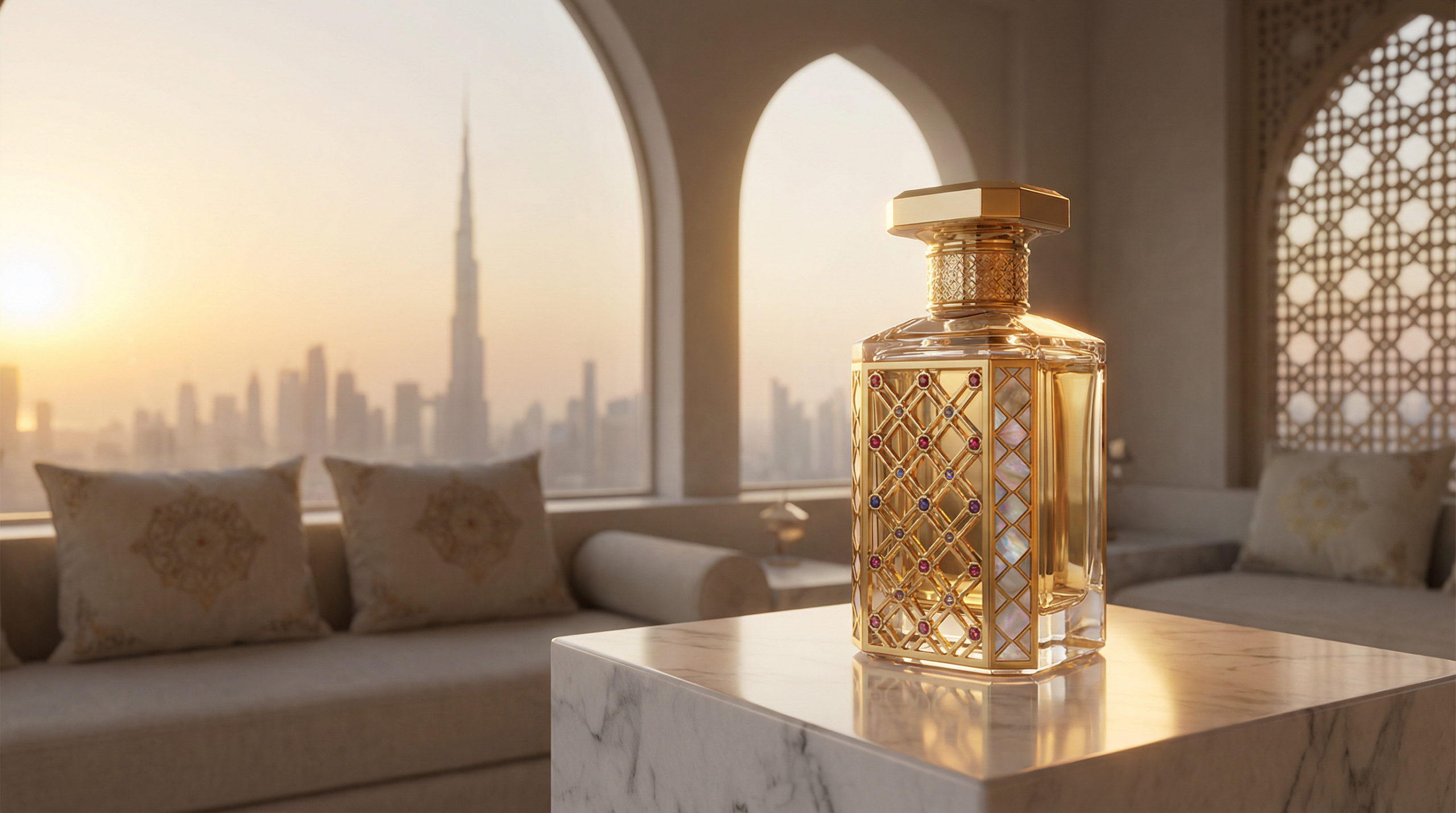

The industrial heart of Dubai transforms each winter into a pulsating gallery of contemporary expression. As the Quoz Arts Fest unfolds its 2026 edition, the relationship between visual art and olfactory memory becomes impossible to ignore. For the fashion-conscious woman navigating both cultural heritage and modern aesthetics, this intersection offers unexpected inspiration for personal style.
Art has always spoken in languages beyond the visual. The way a gallery’s atmosphere shifts with each installation, the subtle notes that linger in creative spaces—these sensory experiences shape how we interpret beauty in all its forms.
Unveiling the Canvas: The Quoz Arts Fest as Olfactory Inspiration
Contemporary art installations create emotional landscapes. A textile sculpture might evoke memories of grandmother’s rose garden. An abstract painting dominated by deep indigo could recall the smoky richness of oud wood. These connections aren’t accidental—they’re rooted in how our brains process sensory information.
The 2026 festival features several installations exploring material culture across the Arab world. One exhibition showcasing traditional weaving techniques from Oman naturally brings to mind the earthy, grounding notes of frankincense and sandalwood. These resins have traveled the same trade routes as the textiles, creating a historical dialogue between craft traditions.
Another installation focusing on coastal preservation and pearl diving heritage connects directly to aquatic fragrance notes. The crisp salinity of marine accords, combined with the iridescent quality of white musk, mirrors the luminous quality of mother-of-pearl under gallery lighting.
The Art of Scent Crafting: From Concept to Gemstone-Infused Perfume
Creating luxury fragrances follows a creative process remarkably similar to fine art. Perfumers begin with concept boards, mood imagery, and cultural research before ever blending a single note. The practice of infusing perfumes with gemstone essences—a technique gaining prominence in Arabic perfumery—adds another layer of artistic complexity.
Raw materials sourcing requires the same discerning eye a curator brings to art acquisition. Rare Taif roses from Saudi Arabia’s mountainous regions offer a different character than their Bulgarian counterparts. Omani frankincense varies dramatically based on harvest season and tree age. These nuances matter deeply.
The gemstone infusion process involves extended maceration periods where precious stones rest in base oils. Rubies might intensify warm, passionate notes. Sapphires could enhance cool, meditative qualities. Whether scientifically proven or culturally symbolic, these practices connect perfumery to broader artistic traditions of transformation and intention.
Modest Masterpieces: Design Inspirations from Art to Abaya
The abaya has evolved from purely functional garment to canvas for artistic expression. Contemporary designers approach modest fashion with the same creative rigor as any haute couture house. Architectural installations at the festival—particularly those exploring geometric Islamic patterns through modern materials—translate beautifully into embroidery, laser cutting, and structured silhouettes.
Consider how minimalist art movements influence modern abaya design. Clean lines, monochromatic palettes, and unexpected textural contrasts create visual interest while maintaining modesty. A charcoal silk abaya with subtle metallic threading mirrors the way contemporary Arab artists reinterpret traditional calligraphy.
Hijab styling becomes equally artistic. The fabric manipulation techniques seen in textile installations—pleating, draping, layering—offer practical inspiration for everyday styling. Art teaches us that limitation breeds creativity, a principle perfectly embodied in modest fashion innovation.
Sustainable Scents & Styles: Echoes of Artistry and Responsibility
Many 2026 festival installations address environmental consciousness, reflecting broader cultural shifts across the GCC. This artistic focus mirrors growing demand for sustainable luxury in both fashion and fragrance sectors.
Traditional Arabic perfumery has always emphasized longevity and quality over quantity. Concentrated oil-based fragrances last significantly longer than alcohol-based alternatives, reducing overall consumption. This aligns with artistic principles of mindful creation and lasting value.
Similarly, investment pieces in modest fashion—a perfectly tailored abaya, a handwoven shayla—represent the antithesis of fast fashion. The craftsmanship involved parallels fine art creation, where each piece receives individual attention and intention.
Embracing Arabic Perfume Heritage: A Journey Beyond Fragrance
The art of Arabic perfumery extends back centuries, interwoven with spiritual practices, hospitality traditions, and cultural identity. Museum-quality perfume vessels displayed throughout history demonstrate how fragrance containers themselves became artistic expressions.
Traditional attar-making techniques, passed through generations, represent living cultural heritage. The layering method—applying different scent notes throughout the day—creates a personal olfactory signature as unique as any artistic style. This practice encourages mindful engagement with fragrance rather than passive consumption.
Modern interpretations of these traditional practices honor heritage while embracing innovation. The fusion of time-honored ingredients with contemporary blending techniques creates bridges between past and present, much like the Quoz Arts Fest itself.