
No products added!
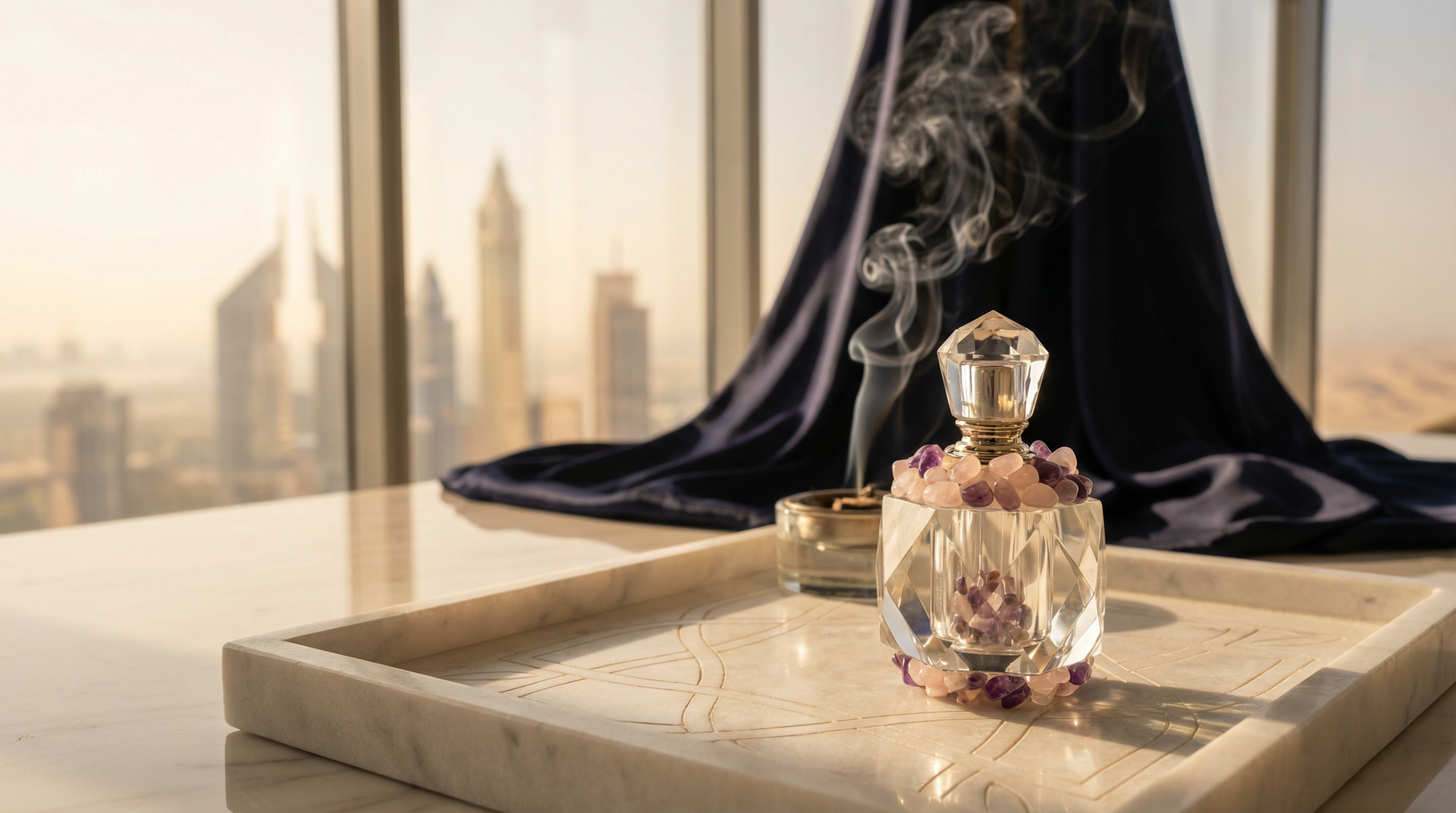

Arabic perfumery represents centuries of olfactory mastery, where fragrance transcends mere scent to become an expression of identity, hospitality, and refined taste. For those new to this aromatic world, layering techniques can transform a simple fragrance routine into a sophisticated ritual that creates truly unique signatures.
The art of layering Arabic perfumes differs fundamentally from Western approaches, focusing on depth, longevity, and cultural resonance rather than fleeting top notes.
Understanding the Essence of Arabic Perfumery and Layering: A Cultural Immersion
Arabic perfume traditions prioritize oil-based concentrates and attars over alcohol-heavy formulations. This creates longer-lasting scents that develop intimately on the skin rather than projecting aggressively into a room.
Layering in this context means building complexity through strategic application of multiple fragrances. The goal is harmony—where each layer supports and enhances the others without competing. In GCC cultures, this practice often begins in childhood, with families passing down knowledge about combining bakhoor smoke with personal attars and body oils.
Understanding this cultural foundation helps beginners appreciate why Arabic layering emphasizes patience and intentionality. Scents are meant to unfold throughout the day, revealing different facets as they interact with body chemistry and environmental warmth.
The Art of the Base: Choosing Your Oudh, Musk, and Bakhoor Foundations
The foundation layer typically consists of rich, heavy notes that anchor the entire composition. Oudh (agarwood) remains the cornerstone of Arabic perfumery, offering deep, woody complexity that can last 12-24 hours on skin and fabrics.
Musk provides another popular base option, especially white musk varieties that offer clean, skin-like warmth without overwhelming intensity. These base notes should be applied to pulse points—wrists, inner elbows, behind knees, and the nape of the neck.
Bakhoor incense smoke serves as an ambient base layer, perfuming hair and clothing before applying oil-based perfumes. This traditional step adds depth and creates a scent aura that extends beyond the skin itself. Allow bakhoor smoke to settle for 10-15 minutes before proceeding with additional layers.
Harmonizing Layers: Top, Middle, and Base Notes for a Signature Scent
After establishing your base, middle notes add floral, spicy, or fruity dimensions. Rose, jasmine, saffron, and cardamom frequently appear in Arabic perfumery as bridging notes that connect heavy bases to lighter top notes.
Apply middle notes 3-5 minutes after your base layer, focusing on different pulse points to avoid oversaturation. The chest area and inner wrists work particularly well for these intermediate fragrances.
Top notes—citrus, bergamot, or light florals—should be applied last, typically on the hair, clothing, or outer wrists. These lightest layers provide initial impression while deeper notes reveal themselves throughout the day. The key is restraint: Arabic layering favors subtlety over projection, creating intimate scent experiences rather than overwhelming sillage.
Integrating Gemstone-Infused Perfumes: A New Dimension to Layering
Contemporary Arabic perfumery has embraced gemstone infusions, where crystals like rose quartz, amethyst, or jade steep in perfume oils to add subtle energetic and aromatic dimensions. These formulations typically work best as middle or top layers rather than bases.
Gemstone-infused perfumes often feature lighter carrier oils that blend seamlessly with traditional oudh or musk foundations. They can soften intense base notes while adding unique character that evolves with body heat.
When incorporating these modern elements, apply them after your traditional base but before any final top notes. This positioning allows the gemstone-infused layer to interact with both the depth of your foundation and the brightness of finishing touches.
Practical Application: Layering for Longevity and Modest Fashion Compatibility
Modest fashion creates unique opportunities for scent layering. Abayas and headscarves can be lightly perfumed with abaya mists or diluted attars, creating a mobile scent envelope that moves with you.
For maximum longevity, apply oil-based perfumes to moisturized skin. Natural oils or unscented lotions help fragrances adhere and develop properly. Avoid rubbing wrists together after application—this breaks down molecular structures and shortens wear time.
Hair represents an excellent canvas for layering, especially when covered. Apply a small amount of attar to brush bristles before styling, or lightly mist scarves with diluted perfume. Fabric holds scent remarkably well, with abayas retaining fragrance for days when stored properly.
Beyond Fragrance: Elevating Your Scent Experience with Body Care & Abaya Mists
Complete layering extends beyond perfume oils to complementary body care products. Unscented or lightly scented soaps prevent clash with your chosen fragrances, while matching body oils create seamless foundations.
Abaya mists offer specifically formulated solutions for perfuming modest fashion without staining delicate fabrics. These water-based or light alcohol formulations dry quickly while providing subtle, lasting fragrance that complements personal perfumes rather than competing.
Room sprays and textile mists for prayer spaces, cars, or closets create environmental layers that reinforce your signature scent. This holistic approach to fragrance layering reflects traditional Arabic hospitality practices where scent permeates every aspect of daily life.
Key Takeaways for Mastering Arabic Perfume Layering:
Begin with quality oil-based foundations in oudh or musk. Build complexity gradually through middle and top notes, allowing each layer to settle before adding the next. Embrace cultural practices like perfuming fabrics and hair for extended wear. Remember that successful layering prioritizes harmony over intensity—your signature scent should unfold gradually, revealing new dimensions throughout the day while maintaining cultural authenticity and personal elegance.