
No products added!
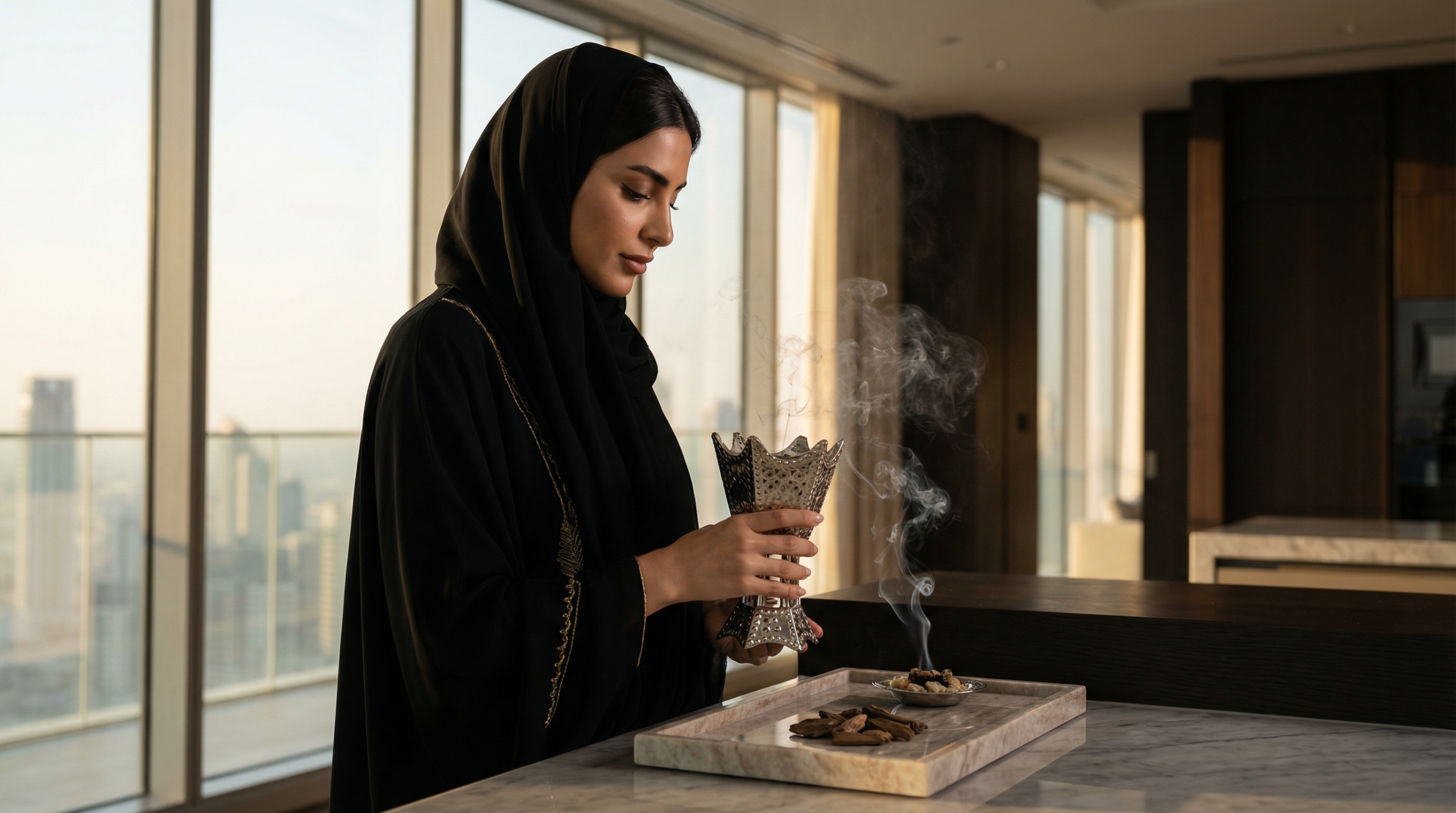

The Enduring Allure: Why Ancient Incense Transcends Time
In an era of synthetic fragrances and mass-produced scents, ancient incense traditions continue to captivate the discerning nose. These aromatic rituals, passed down through generations, offer something modern perfumery cannot replicate: a direct connection to history, spirituality, and cultural identity.
While bakhoor remains beloved throughout the Gulf, a deeper exploration reveals a treasure trove of ancient incense types, each with distinct origins and aromatic signatures. Understanding these fragrant traditions enriches personal rituals and connects modern homes to millennia of cultural heritage.
The resurgence of interest in authentic fragrance experiences has positioned ancient incense as more than nostalgic tradition. In 2026, these practices represent sophisticated lifestyle choices that merge wellness, luxury, and cultural authenticity.
Beyond Bakhoor: Unveiling 7 Ancient Incense Treasures
Frankincense (Luban) stands as the patriarch of Arabian incense, harvested from Boswellia trees across Oman and Yemen. Its resinous tears produce a clear, citrusy smoke with woody undertones, distinctly brighter and more meditative than typical bakhoor blends.
Myrrh complements frankincense with its earthy, slightly bitter profile. This ancient resin, mentioned in religious texts spanning centuries, offers a grounding, contemplative aroma that deepens any fragrance ritual.
Agarwood (Oud) in its pure resinous form predates processed bakhoor by centuries. Burning raw oud chips produces an intensely complex smoke—animalic, sweet, and profoundly layered—representing the pinnacle of luxury incense.
Sandalwood brings creamy, sweet warmth to incense rituals. Indian and Indonesian varieties offer subtly different profiles, both prized for their calming properties and ability to anchor meditation practices.
Amber resin, distinct from synthetic amber fragrances, releases a warm, honeyed smoke with subtle vanilla notes. This fossilized tree resin connects contemporary practices to prehistoric aromatics.
Benzoin from Southeast Asia offers a vanilla-balsamic sweetness that differs markedly from Gulf incense traditions, yet has been traded along spice routes for centuries, making it a legitimate historical choice.
Camphor, though pungent and medicinal, holds significant purification roles across Islamic and Eastern traditions. Its sharp, cooling smoke serves specific ceremonial and cleansing purposes.
The Art of the Burn: Traditional Preparation and Rituals
Experiencing these ancient incenses properly requires understanding traditional methods. Unlike convenient bakhoor burners, raw resins demand more intentional preparation.
The classic approach employs a mabkhara (incense burner) with hot charcoal. Natural coconut shell charcoal provides consistent heat without interfering odors. Allowing the charcoal to fully ignite before adding resin prevents acrid smoke.
For delicate resins like frankincense, less heat preserves subtle aromatic notes. Experienced practitioners adjust coal placement and resin quantity to control smoke intensity and duration.
Electric incense heaters offer modern alternatives, particularly for temperature-sensitive materials like sandalwood. These devices allow precise control, though many purists insist traditional methods yield superior aromatic experiences.
The timing matters significantly. Morning frankincense rituals prepare homes for daily activities, while evening combinations of myrrh and sandalwood create contemplative atmospheres perfect for unwinding.
Aromatic Narratives: The Cultural Significance in Modern GCC Homes
Ancient incense carries deep cultural meaning beyond pleasant aromas. In Gulf societies, specific incenses communicate hospitality, mark religious occasions, and maintain spiritual cleanliness.
Frankincense burned during Ramadan connects contemporary observance to prophetic traditions. The practice of fumigating clothing with oud before special occasions elevates personal presentation to ritual status.
Many modern Gulf homes maintain dedicated incense areas, honoring the tradition while adapting to contemporary interior design. Crystal incense holders and artisan mabkharas blend heritage with luxury aesthetics.
The knowledge of proper incense selection and burning techniques signals cultural sophistication. Understanding when to burn purifying camphor versus welcoming frankincense demonstrates refined social awareness.
These practices also align with holistic wellness trends. The meditative aspects of preparing and experiencing incense support mindfulness practices increasingly valued in fast-paced modern life.
The Resurgence of Ancient Fragrances in 2026 and Beyond
The year 2026 marks a notable shift in fragrance consciousness. Younger generations, rather than abandoning traditional practices, seek deeper understanding of their aromatic heritage.
Artisan suppliers focusing on single-origin, sustainably harvested resins have emerged across the GCC. This emphasis on provenance and quality mirrors broader luxury market trends toward transparency and authenticity.
Educational workshops on traditional incense preparation attract surprising attendance, indicating genuine interest beyond superficial trend-following. Social media communities dedicated to traditional fragrance practices foster knowledge exchange across generations.
Environmental consciousness has also influenced incense choices. Sustainably harvested frankincense and cultivated agarwood address concerns about wild resource depletion while maintaining quality standards.
This renaissance doesn’t reject innovation but rather seeks informed integration of ancient practices into contemporary luxury lifestyles. The goal becomes honoring tradition while exercising discerning, educated choices.