
No products added!
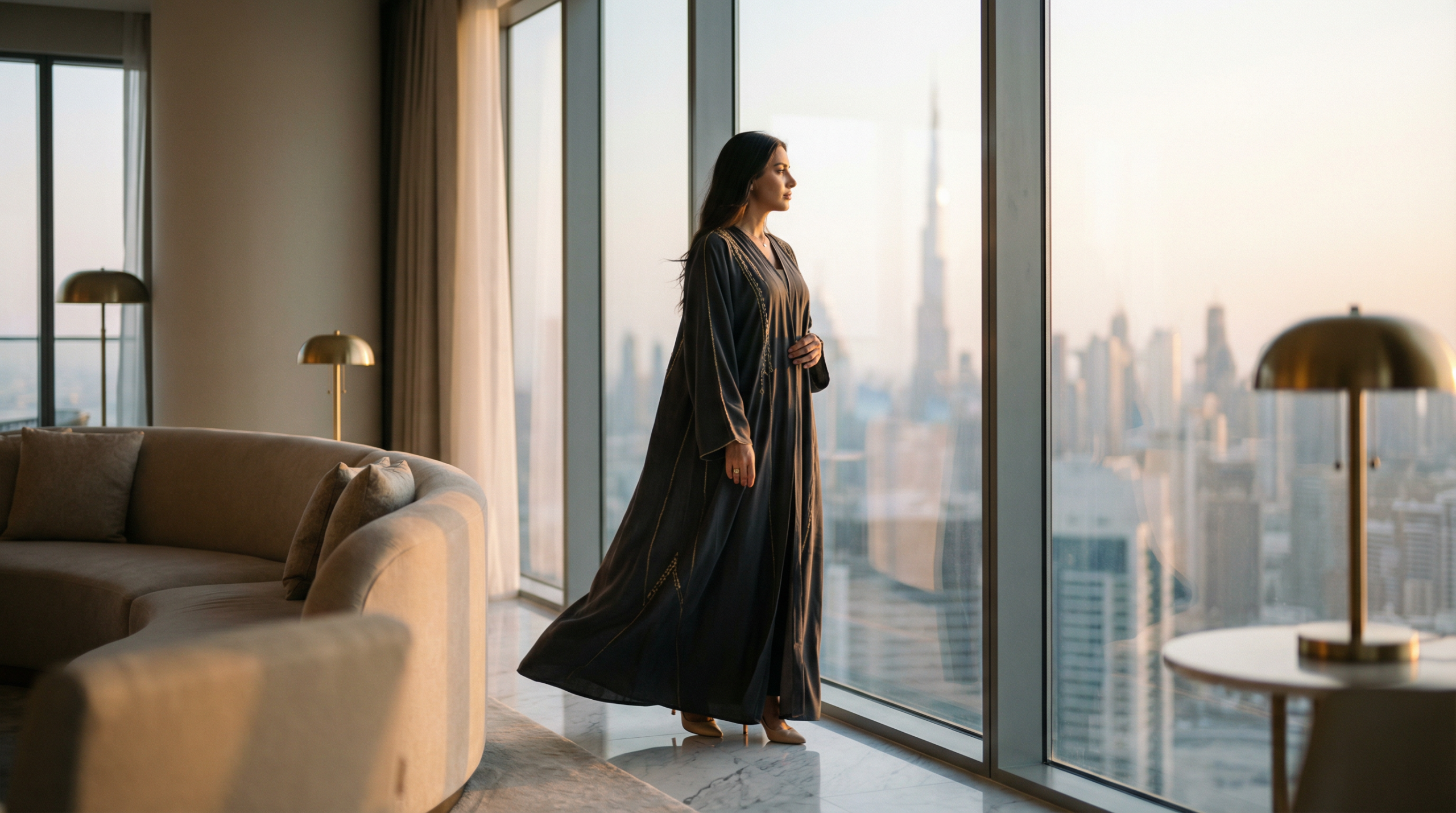

The Genesis of Elegance: Unveiling 2026 Abaya Inspirations
The creation of a luxury abaya in 2026 begins not with fabric or thread, but with observation and introspection. Designers immerse themselves in the cultural zeitgeist, drawing from the architectural marvels of the Gulf, the geometric precision of Islamic art, and the evolving desires of modern Muslim women who seek both modesty and sophistication.
This year, macro-trends converge with timeless tradition. Sustainability has shifted from buzzword to baseline requirement, influencing everything from fabric sourcing to dye processes. Digital artistry now enables designers to experiment with complex patterns virtually before a single cut is made, preserving precious materials and reducing waste.
The inspiration phase involves studying heritage textiles in museum archives, consulting with cultural historians, and engaging with the women who will ultimately wear these pieces. This research ensures that each design honors the deep-rooted significance of modest dress while embracing contemporary aesthetics.
From Sketch to Seam: The Metamorphosis of a Luxury Abaya
The journey from concept to completed garment is meticulous and methodical. Initial sketches capture the essence of an idea—perhaps the graceful drape of a palm frond or the shimmering reflection of desert light on water. These drawings undergo multiple refinements as designers consider proportion, movement, and wearability.
Fabric selection represents a critical juncture. For luxury pieces, designers seek materials that offer exceptional drape, breathability in Gulf climates, and longevity. Premium silk crepe, lightweight wool blends, and innovative sustainable fabrics undergo rigorous testing. Each textile must maintain its integrity through prayer movements, daily wear, and the demands of the region’s climate.
Pattern making transforms two-dimensional designs into three-dimensional reality. Master pattern makers create templates that ensure perfect proportions across various sizes, accounting for different body types while maintaining the garment’s intended silhouette. Multiple toiles—test garments—are constructed and adjusted before the final pattern receives approval.
The construction phase demands exceptional craftsmanship. Skilled artisans execute techniques passed down through generations, from hand-stitched French seams to intricate embroidery that requires days of focused work.
Scenting the Silhouette: Perfumery’s Influence on Modest Design
An unexpected parallel exists between luxury abaya creation and high-end perfumery. Both disciplines pursue olfactory and visual harmony through careful layering and balance. Just as a perfumer builds complexity through top, middle, and base notes, an abaya designer creates depth through fabric weight, embellishment placement, and color gradation.
The concept of “sillage”—a perfume’s lingering presence—finds its visual equivalent in the way a beautifully cut abaya moves through space. Designers consider how fabric flows behind the wearer, creating an elegant trail that captures attention without demanding it.
Furthermore, both crafts rely on sourcing exceptional raw materials. A perfumer might travel to Oman for rare frankincense, while an abaya designer sources silk from specialized weavers who maintain traditional production methods. This shared commitment to authenticity and quality creates garments and fragrances that transcend temporary trends.
The Art of Adornment: Cultural Narratives in Embellishment and Fabric
Contemporary abaya design walks a delicate line between innovation and cultural preservation. Traditional embellishment techniques like talli embroidery, zardozi work, and crystal application remain relevant because they carry cultural significance that machine production cannot replicate.
In 2026, designers increasingly collaborate with master craftspeople to document and perpetuate these techniques. Young artisans learn alongside experienced hands, ensuring that this knowledge survives into future generations. The resulting pieces become wearable cultural artifacts that tell stories through their construction.
Color palettes also carry meaning. While black remains eternally elegant and practical, designers now explore the rich history of natural dyes and regional color preferences. Deep indigos, warm saffron tones, and pearl greys reference historical textile traditions while feeling thoroughly modern.
Crafting Tomorrow: Sustainability and Innovation in Abaya Creation
Environmental consciousness has fundamentally altered luxury fashion production. Progressive designers now prioritize circular design principles, creating garments intended for decades of wear rather than single seasons. This approach actually aligns with traditional values of quality investment over disposable consumption.
Material innovation focuses on reducing environmental impact without compromising luxury. Biodegradable sequins, plant-based silk alternatives, and closed-loop fabric production represent practical applications of sustainable principles. Water-conserving dye processes and renewable energy-powered ateliers further minimize ecological footprints.
Transparency has become essential. Discerning consumers want to understand supply chains, labor conditions, and environmental practices. This accountability elevates the entire industry, encouraging ethical practices across all price points.
Key Takeaways
The creation of a luxury abaya in 2026 represents the convergence of artistic vision, cultural reverence, technical mastery, and ethical responsibility. Like the finest perfumes, these garments require patience, skill, and unwavering commitment to quality. By understanding the depth of craftsmanship involved, women can make more informed choices that honor both personal style and cultural heritage. The most meaningful pieces transcend seasonal trends, becoming treasured wardrobe elements that carry stories, memories, and the unmistakable mark of true artisanal excellence.