
No products added!
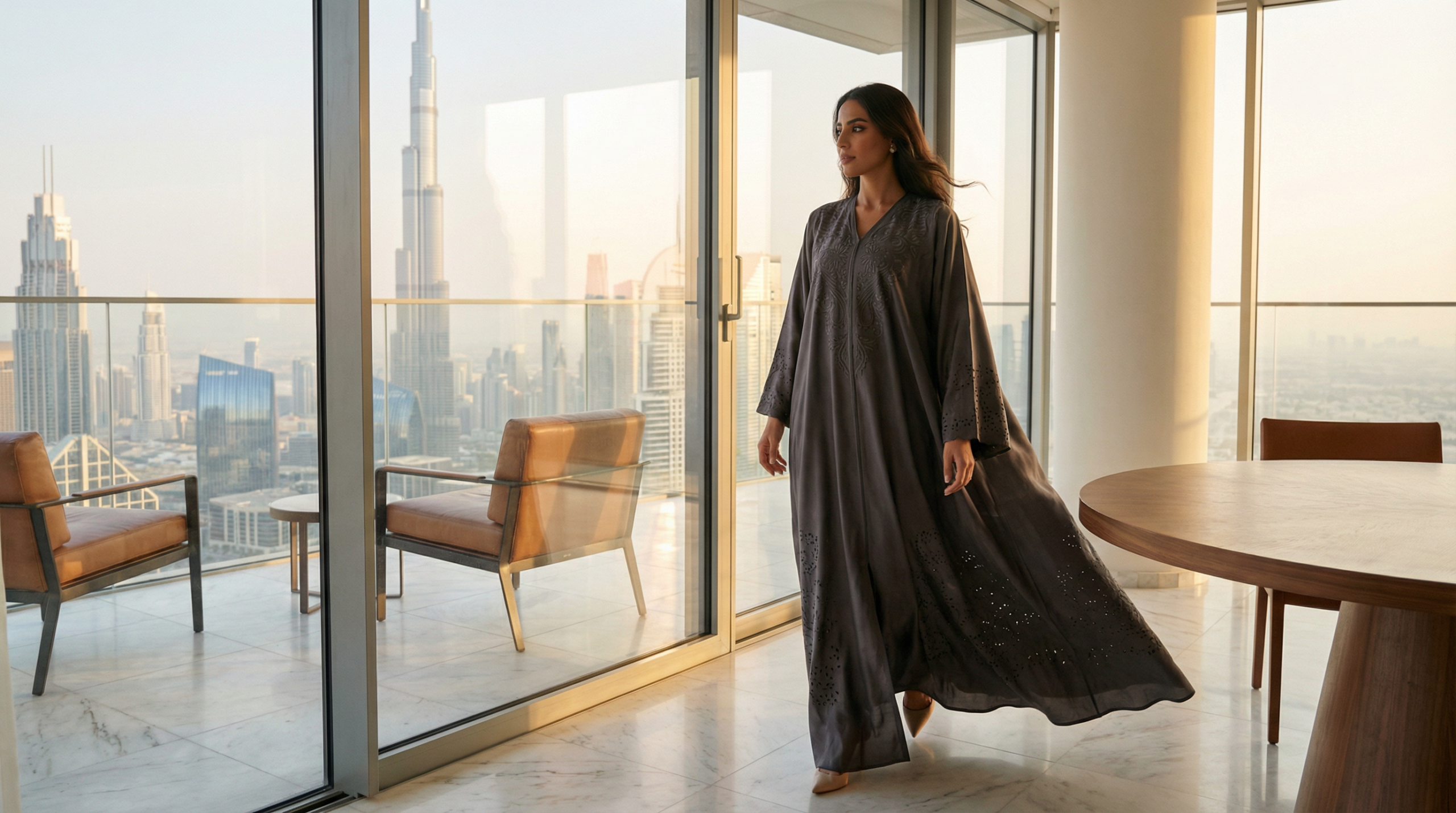

Unveiling the Vision: What Makes an Abaya ‘Viral’ at DSF 2026?
The Dubai Shopping Festival has long been a showcase for cutting-edge modest fashion, and this year’s viral abaya designs demonstrate how traditional garments can capture global attention. What transforms a classic piece into a social media sensation isn’t just aesthetic appeal—it’s the convergence of meticulous craftsmanship, cultural storytelling, and innovative design thinking.
Viral modest fashion pieces share common threads: they honor heritage while speaking to contemporary sensibilities. At DSF 2026, the abayas generating millions of views combine unexpected textural contrasts, architectural silhouettes, and details that reveal themselves slowly—much like the unfolding of a complex fragrance composition.
The success lies in creating garments that photograph beautifully while maintaining their elegance in person. Designers achieve this through careful consideration of proportion, movement, and how fabric interacts with light.
Beyond the Fabric: The Art of Detail in Modest Fashion Design
The foundation of exceptional abaya design begins with material selection. Premium fabrics—whether flowing silk crepes, structured Italian wools, or innovative sustainable textiles—determine how a garment drapes and moves with the wearer.
Hand-finishing techniques elevate these pieces from ordinary to extraordinary. Intricate embroidery work, often taking artisans dozens of hours per garment, creates visual interest that respects modest principles. Hidden pleating systems, custom-developed closures, and internal structuring ensure comfort without compromising the flowing silhouette.
Attention extends to unexpected elements: the weight of a button, the precise angle of a shoulder seam, the subtle sheen of contrasting thread. These details may seem minor individually, but collectively they create garments that feel luxurious and considered at every touchpoint.
Cultural Resonance: Weaving Heritage into Contemporary Abaya Silhouettes
The most compelling modest fashion designs of 2026 draw deeply from Arabic artistic traditions while avoiding costume-like literalism. Designers reference geometric patterns from Islamic architecture, translating centuries-old motifs into modern laser-cut details or tonal embroidery.
Color palettes often echo the region’s natural landscape—desert sands, ocean depths, date palm greens—grounding contemporary pieces in cultural context. This connection to place creates authenticity that resonates with GCC audiences who seek fashion that honors their heritage.
Traditional craftsmanship techniques, such as hand-dyeing methods passed through generations or region-specific embroidery styles, bring historical continuity to modern designs. This bridge between past and present creates garments with emotional depth beyond their visual impact.
Echoes of Elysium: How Perfumery’s Craft Inspires Abaya Aesthetics
The parallels between luxury perfumery and exceptional abaya design run deeper than surface aesthetics. Both crafts rely on layering—in fragrance, this means top, heart, and base notes that unfold over time; in fashion, it manifests through textile combinations, structural elements, and finishing details that reveal themselves gradually.
Just as perfumers balance bold oud with delicate rose, skilled designers juxtapose heavy embellishment with negative space, allowing each element room to breathe. The concept of “sillage”—a perfume’s lingering presence—finds its fashion equivalent in how an abaya’s silhouette creates lasting visual impression.
Both disciplines demand patience and precision. A master perfumer might spend months perfecting a single blend; similarly, exceptional modest fashion requires countless iterations to achieve the perfect drape, proportion, and detail balance. This shared dedication to craft creates luxury that transcends trends.
Sustainable Luxury: Ethical Design and Production in Modest Wear
The 2026 modest fashion landscape increasingly emphasizes responsible creation without compromising on quality. Discerning consumers now expect transparency about material sourcing, production conditions, and environmental impact.
Premium modest wear brands respond by investing in sustainable fabrics—organic silk, responsibly sourced wool, innovative plant-based textiles—that offer both luxury hand-feel and environmental consciousness. Limited production runs reduce waste while maintaining exclusivity.
Ethical craftsmanship extends to supporting traditional artisan communities, ensuring fair compensation for skilled handwork. This approach preserves cultural heritage while creating employment opportunities that honor traditional techniques.
The Future of Modesty: Innovation and Timeless Elegance
Looking forward, the evolution of modest fashion balances innovation with enduring principles. Technology integration—such as temperature-regulating fabrics or stain-resistant treatments—enhances functionality without visible disruption to aesthetic purity.
Design innovation focuses on versatility: pieces that transition seamlessly from professional settings to evening events, garments that accommodate different styling preferences while maintaining modest coverage. This flexibility reflects modern women’s multifaceted lives.
The key insight from DSF 2026’s viral modest fashion moments is that true luxury emerges from the intersection of cultural authenticity, exceptional craftsmanship, and thoughtful design. These elements create garments that honor tradition while embracing contemporary life—pieces worthy of both social media celebration and long-term wardrobe investment. Understanding these design principles helps fashion-conscious women recognize quality and make purchases that bring lasting satisfaction beyond fleeting trends.