
No products added!
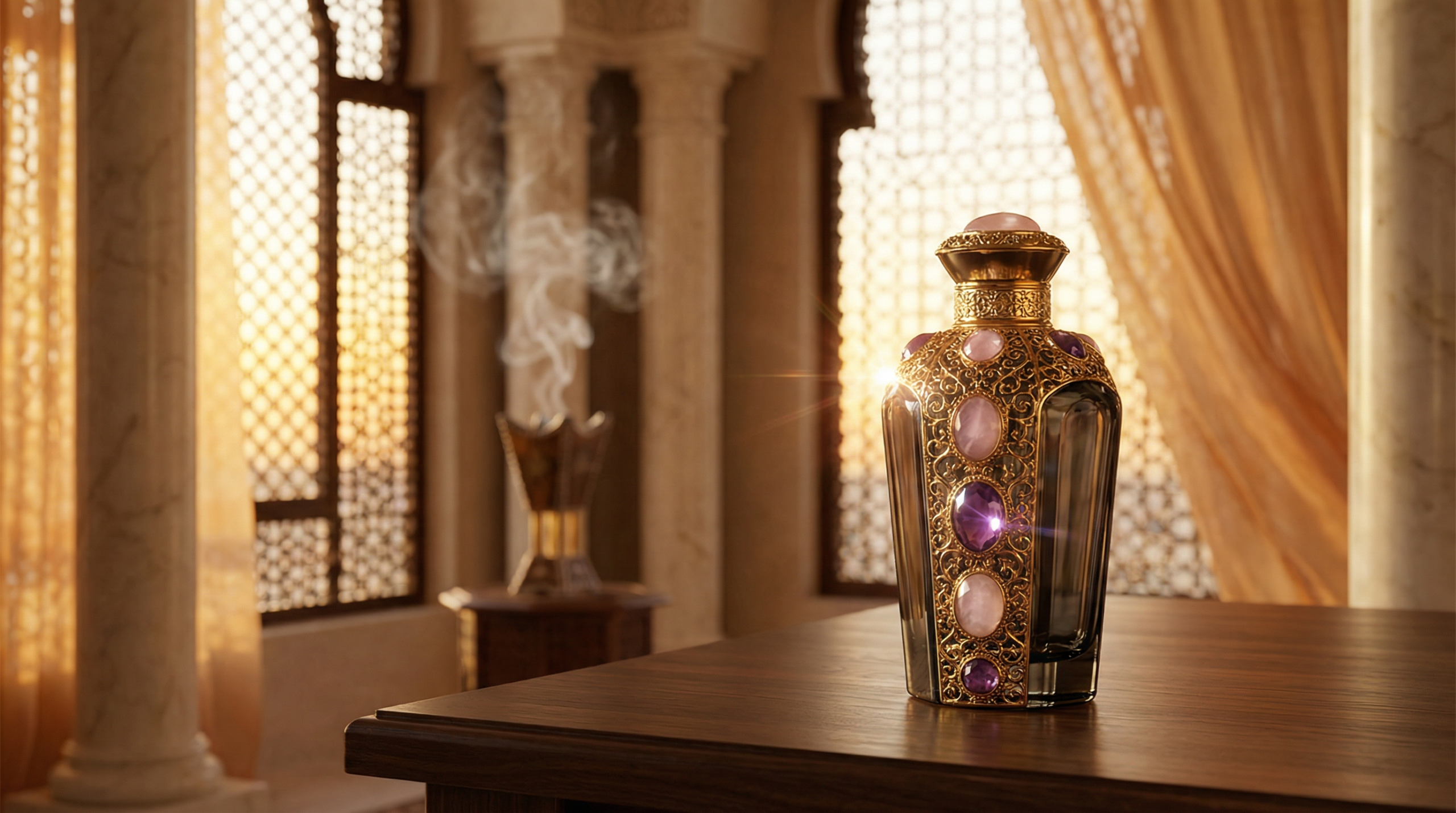

For centuries, women across the Arabian Peninsula have understood what modern perfumery is only beginning to embrace: fragrance is not a singular statement, but a symphony. The art of scent layering, deeply rooted in Middle Eastern heritage, transforms perfume from a fleeting accessory into a personal signature that evolves throughout the day.
The Timeless Allure of Scent Layering in Middle Eastern Heritage
Long before European parfumeurs bottled their first eau de toilettes, Arabian women were masters of complex fragrance composition. The tradition begins with bakhoor—fragrant wood chips soaked in precious oils and burned to perfume clothing, hair, and living spaces. This smoke creates an invisible base layer that clings to fabrics for days.
Oud, extracted from agarwood trees, serves as the cornerstone of traditional layering. Ancient texts from the Islamic Golden Age detail how women would anoint pulse points with pure oud oil, then add lighter floral attars as the day progressed. This wasn’t merely about smelling pleasant—it was a ritual of self-care and spiritual preparation.
The practice reflects a profound understanding of how fragrances interact with body chemistry. Unlike the Western approach of applying a single perfume, Middle Eastern tradition recognizes that scent should shift and deepen, revealing new facets as hours pass.
Beyond the Basics: Mastering Oriental Scent Layering Techniques for 2026
While beginners might layer two complementary scents, true mastery involves understanding the architecture of fragrance. Start with the heaviest, most resinous notes on the lower body—behind the knees and at the ankles. These anchor points allow warm, woody scents to rise gradually.
Concentrated perfume oils, or attars, require specific application techniques. Warm the oil between your palms before pressing it into pulse points—never rubbing, which bruises the delicate molecular structure. The inner elbows, the nape of the neck, and behind the ears are ideal locations, as these areas generate heat without excessive movement.
The sequence matters profoundly. Apply your base layer—typically oud or amber-based oils—immediately after bathing when skin is still slightly damp. Wait fifteen minutes before adding your middle layer of floral or spice notes. Finally, a lighter, fresher top layer can be applied to the hair and clothing.
In 2026, sophisticated perfume lovers are rediscovering the concept of “scent wardrobing”—creating different layered combinations for morning prayers, business meetings, and evening gatherings. This approach honors the traditional practice while adapting it to contemporary lifestyles.
The Role of Traditional & Gemstone-Infused Perfumes in Your Layered Signature
The newest evolution in luxury perfumery involves gemstone infusions—crushed minerals and crystal essences incorporated into fragrance oils. These additions aren’t merely aesthetic; different stones are believed to carry distinct energetic properties that complement specific aromatic profiles.
Rose quartz-infused perfumes, with their gentle, nurturing quality, pair beautifully with traditional rose and jasmine attars. Amethyst-enhanced fragrances bring a cooling clarity that balances the intensity of oud and sandalwood. When layering these modern innovations with classical scents, consider the emotional journey you wish to create.
The key is restraint and intention. A gemstone-infused perfume works best as a finishing touch—the final, luminous layer that catches light and attention without overwhelming the deeper, traditional base notes you’ve carefully constructed.
Culturally Conscious Combinations: Crafting Your Signature Scent for Every Occasion
Respecting cultural context elevates scent layering from technique to art form. For formal occasions and religious observances, subtle combinations centered on musk, amber, and light florals demonstrate refinement without distraction. These scents create presence without imposing on shared prayer spaces.
Professional settings call for sophisticated restraint—perhaps a sandalwood base with a whisper of citrus or green tea notes. The fragrance should arrive moments after you do, creating intrigue rather than announcement.
Evening gatherings and celebrations allow for more expressive layering. Rich oud combinations with saffron, rose, or exotic spices reflect the joy and warmth of social connection. These are moments to showcase the full complexity of a well-constructed fragrance wardrobe.
Preserving the Art: Care and Longevity of Layered Fragrances
Proper storage protects your investment in quality oils and perfumes. Keep bottles away from direct sunlight and temperature fluctuations, which break down delicate molecular structures. Dark glass containers preserve the integrity of concentrated oils far better than clear bottles.
Understanding evaporation rates helps maintain your layered application throughout the day. Oil-based fragrances last significantly longer than alcohol-based sprays, making them ideal for base layers. Reapplication should focus on refreshing top notes rather than rebuilding the entire scent structure.
The art of scent layering represents more than fragrance expertise—it’s a bridge between ancestral wisdom and contemporary expression. By honoring traditional techniques while embracing modern innovations, you create a signature that is authentically, unmistakably yours. The journey of discovering which combinations resonate with your spirit and occasion is deeply personal, requiring patience, experimentation, and an appreciation for the cultural richness that makes this practice so enduringly beautiful.