
No products added!
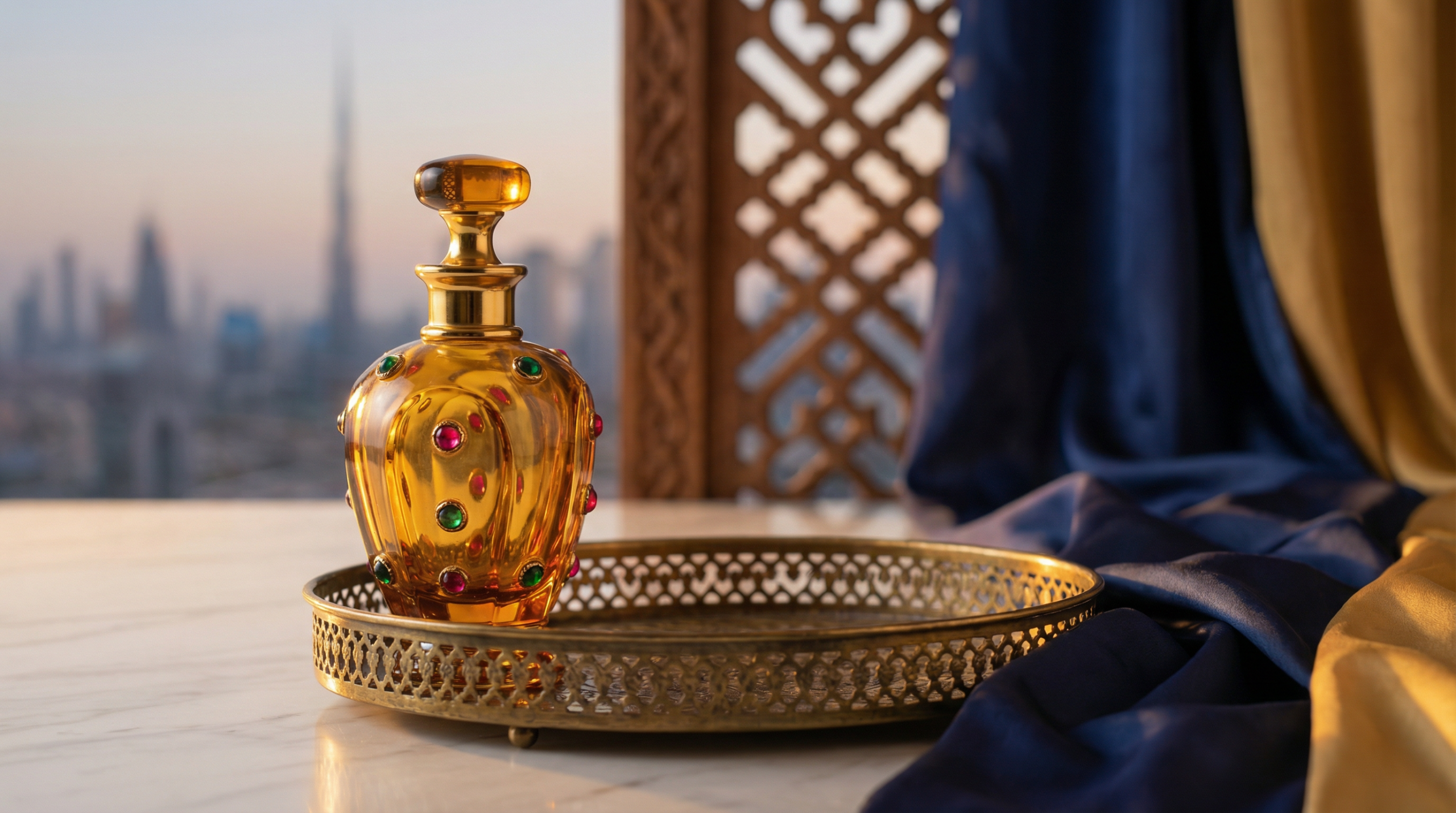

Beyond the Spritz: Why GCC Perfume Etiquette Matters
In the Gulf region, fragrance extends far beyond personal preference—it represents hospitality, respect, and cultural identity. The art of wearing perfume in the GCC carries centuries of tradition, from the historic spice trade routes to the modern reverence for oud and bakhoor.
Yet even the most sophisticated women sometimes unknowingly commit etiquette missteps that diminish their fragrance’s impact or, worse, inadvertently offend. Understanding these nuances ensures your scent enhances rather than overwhelms your presence in social settings.
The stakes are higher in GCC countries where fragrance appreciation runs deep. A well-applied perfume signals refinement and respect for those around you, while poor application can unintentionally communicate carelessness.
Mistake 1: Overpowering the Room – The ‘Too Much’ Dilemma in Gulf Settings
While Western fragrance culture often emphasizes subtlety, GCC preferences favor more pronounced, lasting scents. However, there’s a critical line between pleasantly noticeable and overwhelmingly strong.
The mistake lies in misunderstanding intensity versus projection. Traditional Arabian perfumes—particularly oil-based attars—are designed for longevity, not immediate impact. Applying these concentrated formulas as liberally as alcohol-based sprays creates an overpowering cloud that follows you everywhere.
The golden rule: your fragrance should be discovered, not announced. People within conversational distance should appreciate your scent, but it shouldn’t precede you into a room by several meters. For concentrated oils, one to two strategic application points suffice. For sprays, three to four spritzes maximum.
Mistake 2: Ignoring Skin and Climate – Maximizing Longevity for Arabic Perfumes
Dubai’s summer temperatures routinely exceed 40°C, fundamentally altering how fragrances behave on skin. Heat accelerates evaporation, causing top notes to dissipate within minutes while intensifying base notes unpredictably.
Many women make the mistake of applying perfume directly after showering to completely dry skin. In the GCC climate, this causes rapid evaporation. Instead, apply to slightly damp skin or layer over an unscented moisturizer to create a hydrated base that holds fragrance molecules longer.
Pulse points matter more in hot climates. Focus on inner wrists, behind knees, and the nape of the neck—areas where blood vessels sit close to the surface. Avoid the décolletage in direct sun, as combined heat and fragrance can sometimes cause skin sensitivity.
Consider seasonal rotation. The heavy ouds and ambers perfect for air-conditioned majlis gatherings may become cloying outdoors during summer months. Lighter citrus and floral notes work better for daytime activities in heat.
Mistake 3: Fragrance Clash with Modest Attire – Avoiding Olfactory Discord with Abayas
The relationship between perfume and abaya fabric requires careful consideration. Spraying directly onto delicate silks, embroidered chiffons, or embellished georgettes can leave permanent stains or discolor intricate threadwork.
The common error occurs when women apply perfume while already dressed. Alcohol in many fragrances can damage fabric fibers and alter colors, particularly in pastel abayas or those with metallic embellishments.
Apply fragrance at least five minutes before dressing, allowing alcohol to evaporate completely. For particularly delicate or expensive abayas, focus applications exclusively on skin and hair, never fabric.
Additionally, consider scent pairing. A heavily embellished, formal abaya adorned with crystals and intricate embroidery makes its own statement. Pairing it with an equally bold oud might create sensory overload. Balance visual and olfactory presence thoughtfully.
Mistake 4: Disregarding Social Context – Where and When to Wear Your Scent Judiciously
GCC social settings each carry unspoken fragrance expectations. A scent perfect for a wedding celebration may feel inappropriate at a business meeting or family gathering during Ramadan.
The mistake: treating all occasions identically. Religious settings, particularly mosques, call for restraint or complete fragrance avoidance. Some scholars recommend avoiding strong perfumes in spaces of worship to prevent distraction during prayer.
Professional environments in Dubai and Riyadh increasingly mirror international business standards, where subtle fragrance is appreciated but overpowering scents are considered unprofessional. Reserve your most powerful ouds and ambers for evening social events where they’re culturally expected and welcomed.
Family gatherings often involve close proximity in intimate settings. Choose moderate intensity fragrances that won’t overwhelm elders or children, showing consideration for all generations present.
Mistake 5: The Fading Scent – Optimizing Longevity for Gemstone-Infused Fragrances
The final mistake involves unrealistic expectations about fragrance longevity without proper application technique. Even the finest formulations require strategic application to last throughout GCC’s long social events.
Layering remains essential. Traditional practices of applying bakhoor to hair and clothing, followed by oil-based attars, then topped with alcohol-based sprays create complex, long-lasting scent profiles that evolve throughout the day.
Don’t neglect hair as a fragrance carrier. Hair holds scent molecules exceptionally well, releasing fragrance gradually with movement. Apply a light mist to your hairbrush, then comb through, or spray onto inner layers rather than exterior strands to prevent alcohol damage.
Carry a small roller or travel atomizer for strategic reapplication before key moments—just before entering an event or important meeting. This ensures you’re presenting your best impression precisely when it matters most.
Mastering the Art of Arabian Fragrance
Perfume application in the GCC transcends simple cosmetic routine—it’s an expression of cultural pride and personal sophistication. By avoiding these five common mistakes, you demonstrate respect for both tradition and those around you while ensuring your carefully chosen fragrances perform at their peak. The key lies in understanding your environment, honoring social contexts, and treating fragrance as the art form it has been in Arabian culture for millennia.