
No products added!
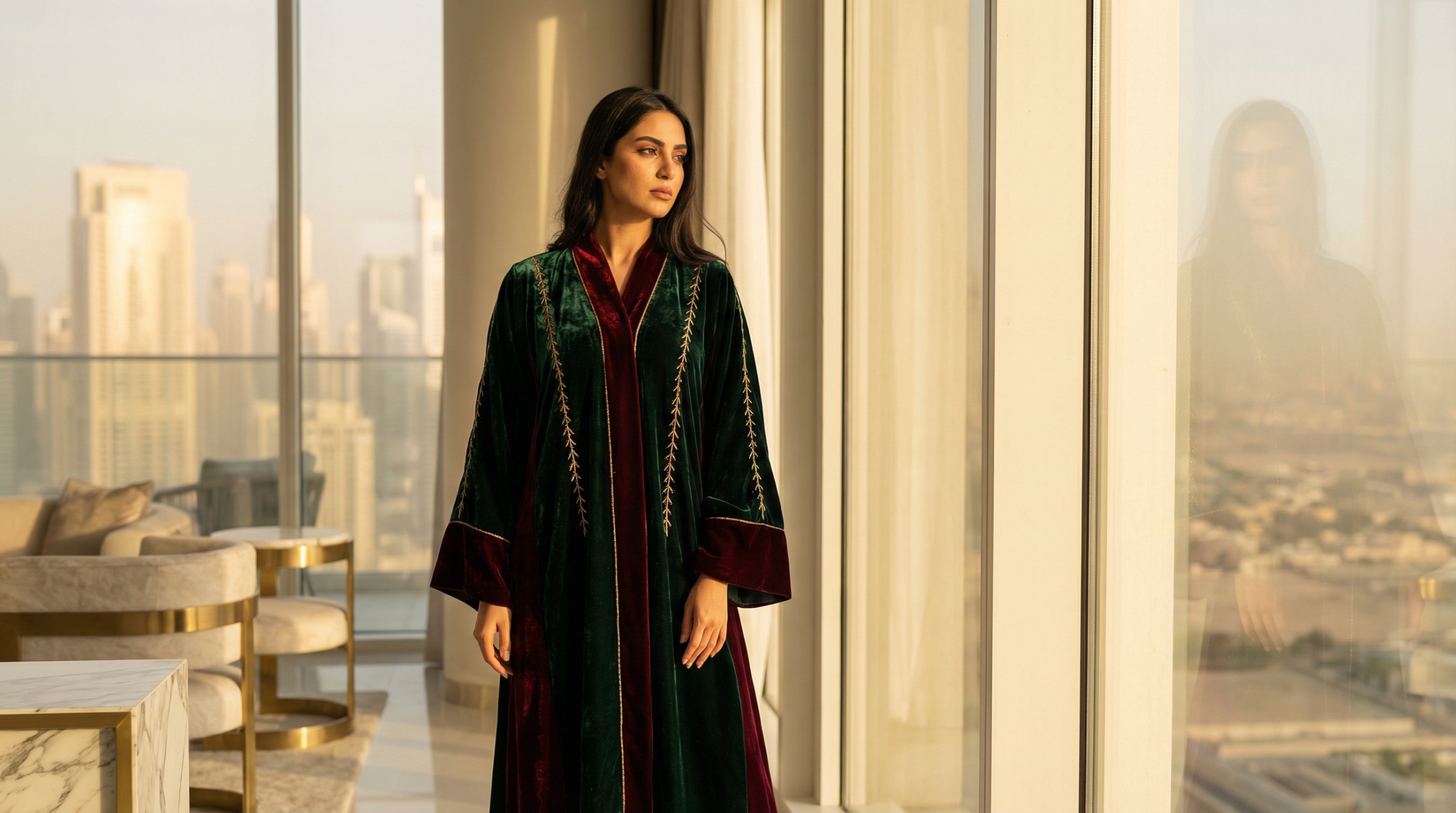

Winter abayas crafted from premium fabrics deserve meticulous care that extends far beyond standard garment maintenance. The unique climate conditions of the UAE and broader GCC region, combined with the delicate nature of luxury materials, create specific challenges that can compromise even the most exquisite pieces. Understanding these nuances ensures your investment pieces maintain their elegance season after season.
Understanding the Unique Demands of Luxe Winter Abaya Fabrics
Luxury winter abayas often feature materials that differ dramatically from everyday lightweight fabrics. Velvet, cashmere blends, embellished silks, and wool crepes each possess distinct care requirements that demand specialized attention.
These premium fabrics react differently to the GCC’s unique climate patterns. While winter brings cooler temperatures, the region’s persistent humidity—even during cooler months—creates an environment where fabrics absorb moisture differently than in truly dry climates. This moisture interaction affects everything from fabric texture to embellishment adhesion.
The investment in luxury pieces extends beyond initial purchase. Proper maintenance preserves not only the garment’s appearance but also its structural integrity and resale value.
Mistake 1: Incorrect Washing & Drying Techniques for Delicate Materials
The most devastating error involves applying standard washing methods to luxury fabrics. Machine washing, even on gentle cycles, creates friction that damages delicate fibers and can loosen embellishments.
For velvet abayas, hand-washing in cold water with pH-neutral detergent specifically formulated for delicate fabrics remains essential. Submerge the garment gently, avoid wringing, and press water out carefully between clean towels. Never hang velvet while wet—the weight of absorbed water distorts the fabric permanently.
Cashmere blends require even gentler treatment. Use lukewarm water, specialized cashmere wash, and limit agitation to the absolute minimum. Air-drying flat on a mesh surface prevents stretching and maintains the garment’s original silhouette.
Embellished pieces demand professional attention. Home washing risks damaging handwork, loosening stones, or tarnishing metallic threads.
Mistake 2: Overlooking Seasonal Storage for Winter Embellishments
When winter season concludes, improper storage accelerates deterioration. Hanging heavy winter abayas on standard hangers creates shoulder stress points and fabric stretching.
Invest in padded, wide-shoulder hangers that distribute weight evenly. For heavily embellished pieces, consider flat storage in acid-free tissue paper within breathable cotton garment bags. Avoid plastic covers that trap humidity and promote mildew growth.
Climate-controlled storage proves particularly valuable in the GCC. Maintaining consistent temperature and humidity levels prevents fabric degradation. Cedar elements naturally repel insects without harsh chemicals that might damage delicate materials.
Store abayas in dark spaces—prolonged light exposure causes color fading, particularly in rich jewel tones popular for winter collections.
Mistake 3: Harsh Treatments: Ironing, Steaming, and Dry Cleaning Pitfalls
Direct iron contact ruins many luxury fabrics. Velvet requires professional steaming, never pressing. Home steaming works for some fabrics but demands careful technique—maintain distance and use distilled water to prevent mineral deposits.
For embellished abayas, place a clean cotton cloth between the iron and fabric, using the lowest effective temperature. Never iron directly over beadwork, sequins, or metallic threads.
Dry cleaning, while sometimes necessary, shouldn’t become routine. Harsh chemicals gradually weaken natural fibers. Select dry cleaners experienced with luxury Islamic garments who understand modest fashion construction and embellishment techniques. Request gentle, environmentally-conscious cleaning processes.
Mistake 4: Disregarding Environmental Factors & Humidity in the GCC
The GCC’s climate presents unique challenges year-round. Even winter air carries moisture that affects fabric behavior. Indoor climate control, while necessary for comfort, creates dramatic humidity fluctuations when moving between environments.
Allow abayas to acclimate before storage after wearing. Hanging in a well-ventilated area for several hours releases absorbed moisture and dissipates fragrance oils before closet storage.
Perfume application deserves special attention. Apply fragrances to skin and allow complete drying before dressing. Direct spray contact creates oil-based stains particularly problematic on silk and light-colored fabrics.
Dehumidifiers in storage areas combat mildew growth during humid periods, protecting both fabric and embellishments from moisture damage.
Mistake 5: Neglecting Prompt Stain Removal & Professional Inspections
Delaying stain treatment allows substances to set permanently. Blot—never rub—fresh spills immediately with clean, white absorbent cloth. Avoid colored fabrics that might transfer dye.
For oil-based stains, talcum powder or cornstarch absorbs excess oil before professional treatment. Water-based stains require different approaches depending on fabric type.
Schedule annual professional inspections for luxury pieces. Expert evaluation identifies loose embellishments, weakening seams, or fabric stress before minor issues become irreparable damage.
Preserving Your Investment Through Mindful Care
Luxury winter abayas represent significant investments in both financial and personal expression terms. The care practices outlined here protect these investments while honoring the craftsmanship behind each piece.
Approach maintenance with the same attention given to selection and styling. Understand your fabrics, respect their unique requirements, and establish routines that prevent damage rather than correct it. Quality care extends garment lifespan dramatically, allowing treasured pieces to remain wardrobe staples for years. The elegance of luxury modest fashion deserves protection through informed, consistent maintenance practices that preserve both beauty and value.