
No products added!
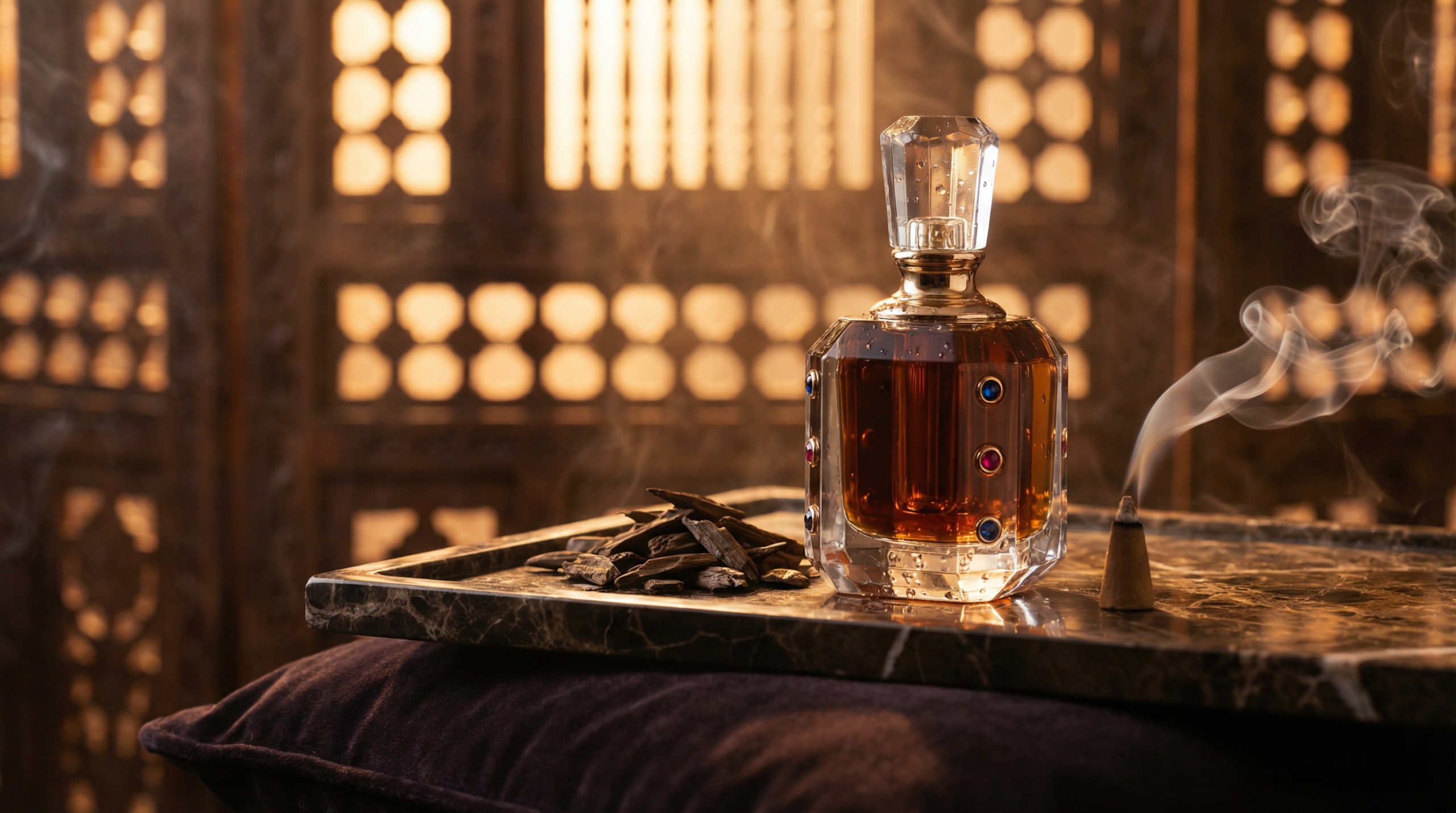

As wellness culture continues evolving beyond green smoothies and yoga mats, 2026 marks a significant shift toward ancient aromatics with proven therapeutic value. Among these, Oud—also known as agarwood—has emerged from its traditional Middle Eastern roots to become a global wellness phenomenon, particularly for those seeking authentic, culturally grounded approaches to holistic health.
This isn’t just another fleeting wellness trend. Oud carries centuries of documented use in traditional practices, and modern science is finally catching up to what Middle Eastern cultures have known for generations.
The Resurgence of Ancient Aromatics: Oud’s Place in Modern Wellness
The wellness industry has long borrowed from various cultural traditions, but 2026 represents a turning point where authenticity matters more than appropriation. Oud stands apart because it comes with an intact lineage of use in Middle Eastern medicine, spiritual practices, and daily rituals spanning over a thousand years.
Unlike synthetic wellness products or hastily commercialized “ancient remedies,” Oud’s therapeutic applications are well-documented in historical texts and traditional medical systems. The resinous heartwood forms naturally when Aquilaria trees develop a defensive response to fungal infection, creating one of the most complex and valued natural aromatics known to humanity.
What makes this resurgence particularly meaningful in 2026 is the growing consumer demand for transparency and cultural respect. People are no longer satisfied with surface-level exoticism—they want to understand the genuine cultural context and traditional wisdom behind wellness practices.
Beyond Scent: The Holistic Benefits of Oud for Mind and Body
The aromatic profile of Oud contains specific compounds that interact with the limbic system, the part of the brain responsible for emotions, memory, and stress responses. Recent research in aromatherapy and neuroscience has begun validating what traditional practitioners have observed for centuries.
Sesquiterpenes, the primary aromatic compounds in genuine Oud, demonstrate remarkable properties for mental clarity and emotional grounding. These molecules can cross the blood-brain barrier, potentially influencing neurochemical activity associated with anxiety reduction and enhanced focus.
For individuals managing the pressures of modern life in fast-paced urban environments, Oud offers a natural anchor. The scent promotes a meditative state without sedation, making it ideal for evening wind-down rituals or focused work sessions. Many practitioners report improved sleep quality when incorporating Oud into their bedtime routines through diffusion or incense.
The physical benefits extend beyond mental wellness. Traditional applications include respiratory support during seasonal changes and creating environments that feel simultaneously energizing and calming—a rare combination in the wellness world.
A Scented Legacy: Oud in Middle Eastern Culture and Rituals
Understanding Oud’s cultural significance transforms it from mere fragrance into meaningful practice. Throughout the Arabian Peninsula and broader Islamic world, Oud has always been more than decoration—it’s woven into social customs, spiritual observance, and hospitality traditions.
Burning Oud during Friday gatherings, before special occasions, or when welcoming guests isn’t simply about pleasant scent. It represents purification, blessing, and creating sacred space. This intentionality is what differentiates traditional Oud use from casual aromatherapy.
For women in the UAE and GCC region, incorporating Oud into wellness routines connects personal health practices with cultural heritage. It’s a way to honor ancestral wisdom while embracing contemporary understanding of holistic health. The ritual of preparing and experiencing Oud becomes a mindfulness practice in itself—deliberate, sensory, and grounding.
Crafting Wellness: Integrating Oud into Daily Routines for 2026
Making Oud part of a sustainable wellness practice doesn’t require elaborate setup. Start with high-quality Oud chips or incense for occasional use during specific activities: meditation sessions, journaling time, or pre-sleep relaxation.
Electric diffusers designed for wood chips allow controlled, consistent scent release without open flame, ideal for apartment living or workspaces. Morning routines might include brief Oud diffusion to set intentional energy for the day ahead.
Consider designating specific spaces in your home for Oud use—a reading corner, prayer area, or dressing room. This creates sensory associations that enhance the psychological benefits. Over time, the scent itself becomes a trigger for entering calm, focused states.
Quality matters significantly with Oud. Synthetic alternatives lack the complex aromatic profile and therapeutic compounds of genuine agarwood. Invest in authentic sources, even if it means using smaller quantities less frequently.
The Future of Fragrance: East Meets West in Wellness Innovation
The 2026 wellness landscape shows promising convergence between traditional Middle Eastern aromatic wisdom and Western scientific validation. Researchers are increasingly studying the neurological impacts of traditional ingredients, creating bridges between ancestral knowledge and modern understanding.
This integration benefits everyone. Western wellness seekers gain access to profound cultural practices with actual therapeutic value. Meanwhile, traditional practices receive validation and preservation through scientific documentation and global interest.
For the Middle Eastern market, this moment offers opportunity to reclaim narrative authority over cultural heritage while sharing genuinely beneficial practices with the world.