
No products added!
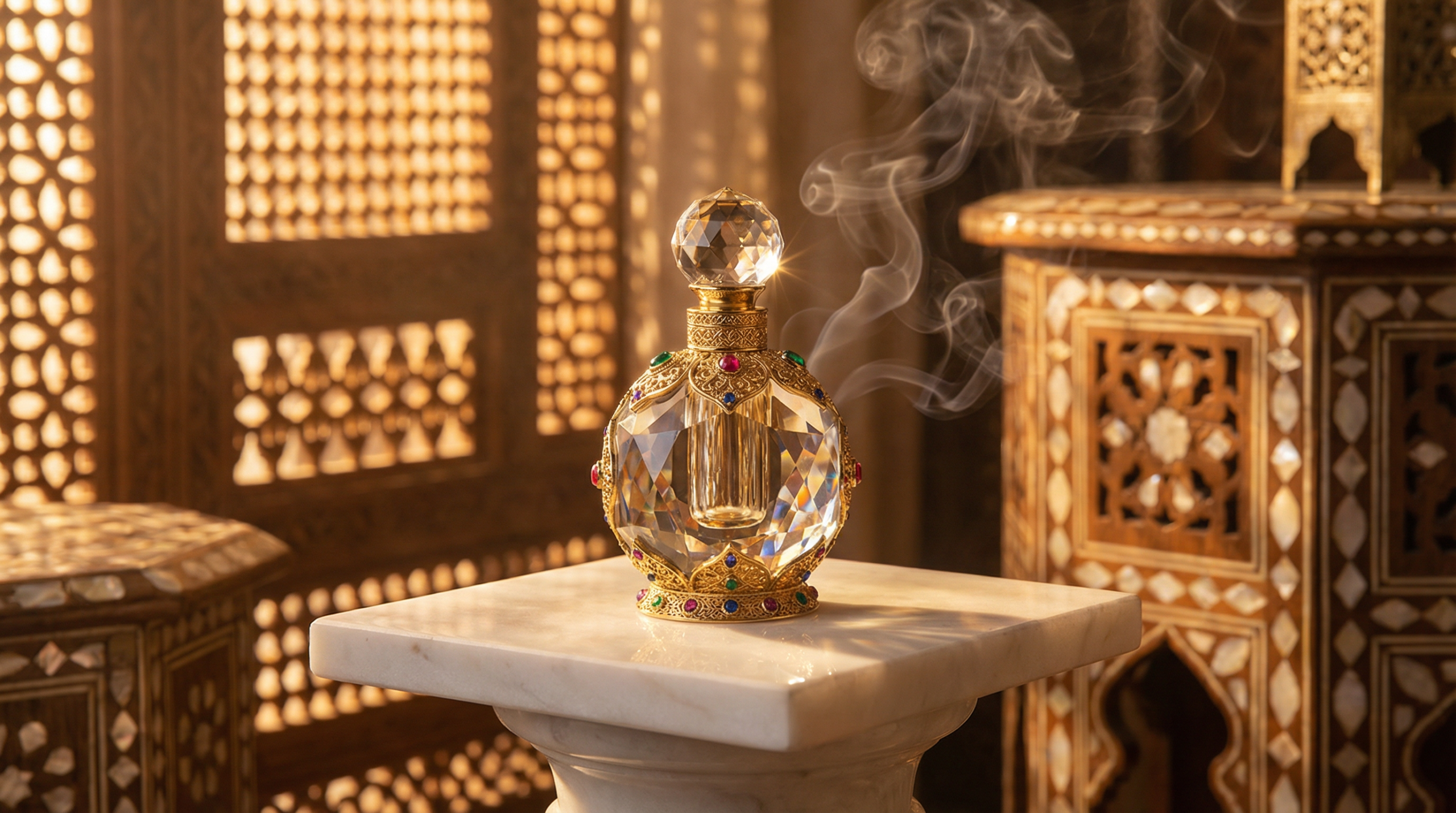

The world of fine fragrance offers two distinct philosophies, each with its own heritage, artistry, and cultural resonance. For the discerning woman in the GCC, understanding the nuances between Arabic and French perfumery opens doors to a more intentional, personalized approach to scent selection—one that honors tradition while embracing contemporary luxury.
The Enduring Allure: Tracing the Heritage of Arabic and French Fragrance
Arabic perfumery traces its roots back thousands of years, deeply intertwined with spiritual practices, hospitality rituals, and the ancient incense trade routes. The art of distillation was perfected in the Middle East, transforming precious raw materials into concentrated attars and oils designed to endure in the region’s warm climate.
French perfumery, by contrast, emerged from the Renaissance courts of Grasse, evolving through centuries of botanical experimentation and chemical innovation. The French approach prioritized complexity, elegance, and the creation of multi-layered compositions that unfold gradually on the skin.
Both traditions represent pinnacles of olfactory achievement, yet they serve different sensory purposes and cultural contexts. Understanding these foundations helps contextualize why certain scents resonate more deeply in specific environments and occasions.
A Symphony of Scents: Deconstructing Arabic Perfume Notes and Styles
Arabic perfumery is characterized by its unapologetic intensity and remarkable longevity. Oud—derived from agarwood—remains the cornerstone ingredient, valued for its deep, woody, almost mystical complexity. This precious resin creates a foundation that can last for days, not hours.
Amber, musk, and frankincense form the traditional base notes, often accompanied by exotic spices like saffron, cardamom, and cinnamon. Rose, particularly the revered Taif rose, adds a rich floral dimension that feels opulent rather than delicate.
The construction philosophy emphasizes concentration and staying power. These fragrances are designed for climates where lighter scents evaporate quickly, and for cultural contexts where scent serves as an extension of personal presence and generosity. The sillage—the fragrant trail left behind—is intentionally pronounced, creating an memorable olfactory signature.
The Art of Elegance: Exploring French Perfumery’s Signature Compositions
French perfumery operates on a different structural principle: the pyramid. Top notes provide an initial impression with citrus, herbs, or light florals. Middle notes, or the heart, introduce more complex floral and fruit elements. Base notes anchor the composition with woods, vanilla, or subtle musks.
This architecture creates an evolving experience. A French fragrance might open bright and fresh, transition to a romantic floral bouquet, then settle into a warm, comforting embrace. The intention is versatility and adaptability across seasons, occasions, and even times of day.
Classic French compositions favor jasmine, iris, bergamot, and oakmoss, blended with modern synthetic molecules that enhance longevity and projection. The aesthetic leans toward refinement and restraint, with an emphasis on seamless integration rather than bold declaration.
Beyond the Bottle: Choosing Your Signature Scent for the GCC Lifestyle in 2026
In 2026, the GCC fragrance landscape embraces hybridity. Women are no longer choosing between Arabic or French perfumery—they’re curating collections that reflect different facets of their lives.
For professional settings, French fragrances offer subtle sophistication that won’t overwhelm air-conditioned office environments. Consider compositions with iris, white florals, or clean musks that project elegance without dominating conference rooms.
For evening events, celebrations, and cultural gatherings, Arabic perfumery provides the presence and longevity that matches the occasion’s grandeur. Oud-based compositions signal respect for tradition while making a memorable impression.
The climate consideration remains paramount. In Dubai’s winter months, lighter French florals become more wearable outdoors. During summer, the concentrated oils of Arabic attars withstand heat without turning cloying, actually revealing new facets as they warm on skin.
The Future of Fragrance: Gemstone-Infused Perfumes and Sustainable Luxury
An emerging trend transforming the 2026 luxury fragrance market involves gemstone infusions—actual precious stones macerated in perfume oils. Proponents suggest that rose quartz enhances floral notes, while amethyst adds depth to woody compositions.
Beyond metaphysical claims, this trend reflects a broader shift toward personalization and storytelling in fragrance selection. Each gemstone addition creates a unique batch, appealing to women seeking individuality in a mass-market world.
Sustainability has also become non-negotiable. Ethical sourcing of oud, transparent supply chains, and eco-conscious packaging now influence purchasing decisions as much as scent profiles themselves. The luxury consumer in 2026 expects both olfactory excellence and environmental responsibility.
Cultivating Your Collection: A Discerning Guide for the Modern GCC Woman
Building a fragrance wardrobe requires intentionality. Start by identifying three core needs: a daytime scent, an evening signature, and a special occasion fragrance. This foundation allows for versatility while preventing decision fatigue.
Sample extensively before committing. Perfume evolves dramatically from initial spray to dry-down, and what smells captivating in-store might not harmonize with your skin chemistry. Test fragrances over several hours to understand their full journey.
Consider layering strategically. An unscented oil or body cream provides lasting power for lighter French fragrances, while applying Arabic attars to pulse points and hair creates enduring projection.