
No products added!
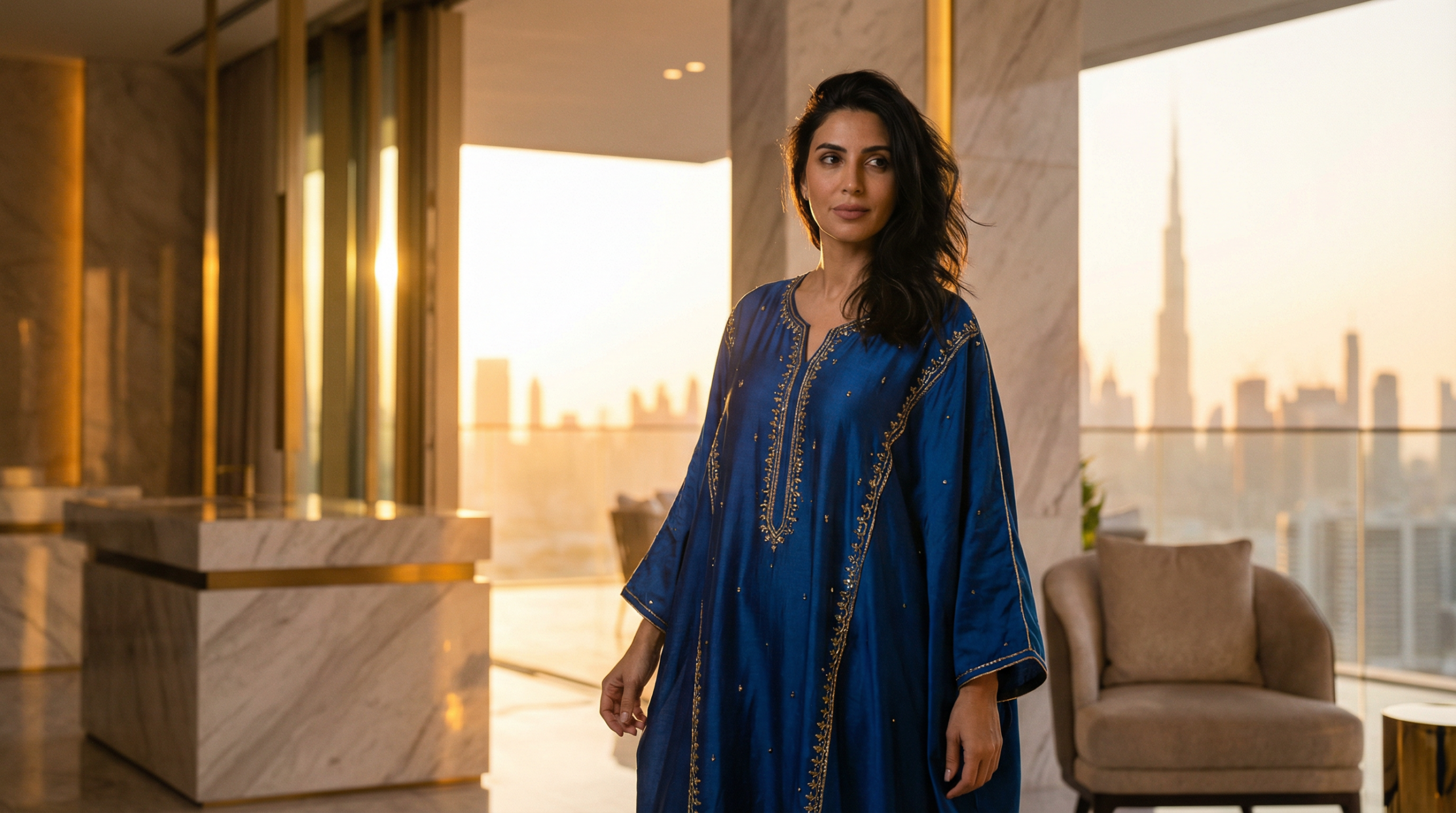

The kaftan has transcended centuries as an enduring symbol of elegance in Middle Eastern culture. As 2026 approaches, luxury modest wear continues to evolve, blending traditional artistry with contemporary innovation. Understanding the intricate creative process behind high-end kaftan collections reveals the profound dedication to craftsmanship that defines this timeless garment.
The Genesis of Inspiration: Unveiling the 2026 Kaftan Collection’s Muse
Contemporary kaftan designers draw inspiration from the rich tapestry of Arabic heritage, from the geometric patterns found in Andalusian architecture to the golden hues of desert landscapes at sunset. The 2026 design aesthetic reflects a renewed interest in historical Islamic art, particularly the intricate arabesques and calligraphic motifs that adorned royal courts.
Regional influences play a crucial role in shaping modern collections. The azure waters of the Arabian Gulf, the terracotta tones of ancient souks, and the verdant oases scattered across the peninsula all contribute to sophisticated color palettes. These natural elements translate into fabric choices and embellishment techniques that honor cultural authenticity while embracing modern sensibilities.
Historical references often merge with contemporary art movements. Designers study museum archives, vintage textiles, and centuries-old jewelry designs to extract elements that resonate with today’s fashion-conscious Muslim women who seek both tradition and innovation in their wardrobes.
From Sketch to Silhouette: The Craftsmanship of Modest Design
The journey from concept to finished garment involves meticulous attention to detail. Initial mood boards capture the season’s vision through carefully curated imagery, fabric swatches, and color studies. These foundational elements guide every subsequent decision in the design process.
Fabric selection represents one of the most critical phases. Luxury kaftans demand materials that drape beautifully while maintaining modesty—silk chiffons, Italian crepes, and hand-woven jacquards each offer distinct characteristics. The weight, texture, and movement of fabric determine how a kaftan will flow, particularly important for the generous cuts that define this silhouette.
Pattern-making for kaftans requires specialized expertise. Unlike Western garment construction, traditional kaftan patterns prioritize comfort and coverage without compromising elegance. Master pattern-makers adjust sleeve lengths, neckline depths, and hemline proportions to create pieces that honor Islamic principles of modesty while flattering diverse body types.
Embellishment techniques elevate kaftans from simple garments to wearable art. Hand embroidery, beadwork, and crystal applications require hours of skilled labor. Artisans often employ traditional techniques passed down through generations, ensuring each piece carries cultural significance alongside aesthetic beauty.
Scented Narratives: The Artistry of Gemstone-Infused Perfumes
The connection between fashion and fragrance in Gulf culture runs deep. Just as kaftans represent visible elegance, luxury perfumes serve as invisible adornment—a personal signature that completes one’s presence.
Creating gemstone-infused perfumes involves an equally intricate process. Master perfumers source rare ingredients from across the globe—oud from Southeast Asia, roses from Taif, amber from the Baltic region. These precious materials undergo careful extraction methods that preserve their olfactory integrity while respecting environmental sustainability.
The concept of gemstone infusion adds another dimension to Arabic perfumery. Certain traditions hold that precious stones like sapphires, rubies, and emeralds can energetically influence fragrances, adding depth and character. Whether rooted in spiritual belief or artisanal innovation, this practice distinguishes luxury Middle Eastern perfumery from mainstream fragrance production.
Traditional distillation methods remain central to authentic Arabic perfume creation. Cold extraction techniques and lengthy maturation periods allow complex scent profiles to develop naturally, resulting in fragrances with remarkable longevity and character evolution.
Sustainable Luxury: Ethical Practices in Fashion and Fragrance
Modern luxury consumers increasingly demand transparency about production practices. The modest fashion industry responds by prioritizing ethical sourcing, fair labor practices, and environmental responsibility.
Sustainable fabric choices include organic silks, responsibly sourced cotton, and innovative eco-friendly textiles that maintain luxurious aesthetics. Supporting local artisan communities ensures traditional crafts survive while providing fair wages and working conditions.
In perfumery, sustainability means protecting endangered plant species, supporting sustainable farming practices for botanical ingredients, and utilizing eco-conscious packaging materials. Ethical extraction methods preserve ecosystems while delivering the highest quality raw materials.
The Enduring Legacy: Kaftans and Arabic Perfumery in the Modern Era
The kaftan’s evolution demonstrates how traditional garments adapt to contemporary lifestyles without losing cultural essence. Today’s designs serve multiple purposes—from formal occasions to sophisticated casual wear—reflecting the dynamic lives of modern Muslim women.
Similarly, Arabic perfumery maintains its distinctive character while embracing innovation. The combination of time-honored techniques with modern sensibilities creates fragrances that honor heritage while appealing to contemporary preferences.