
No products added!
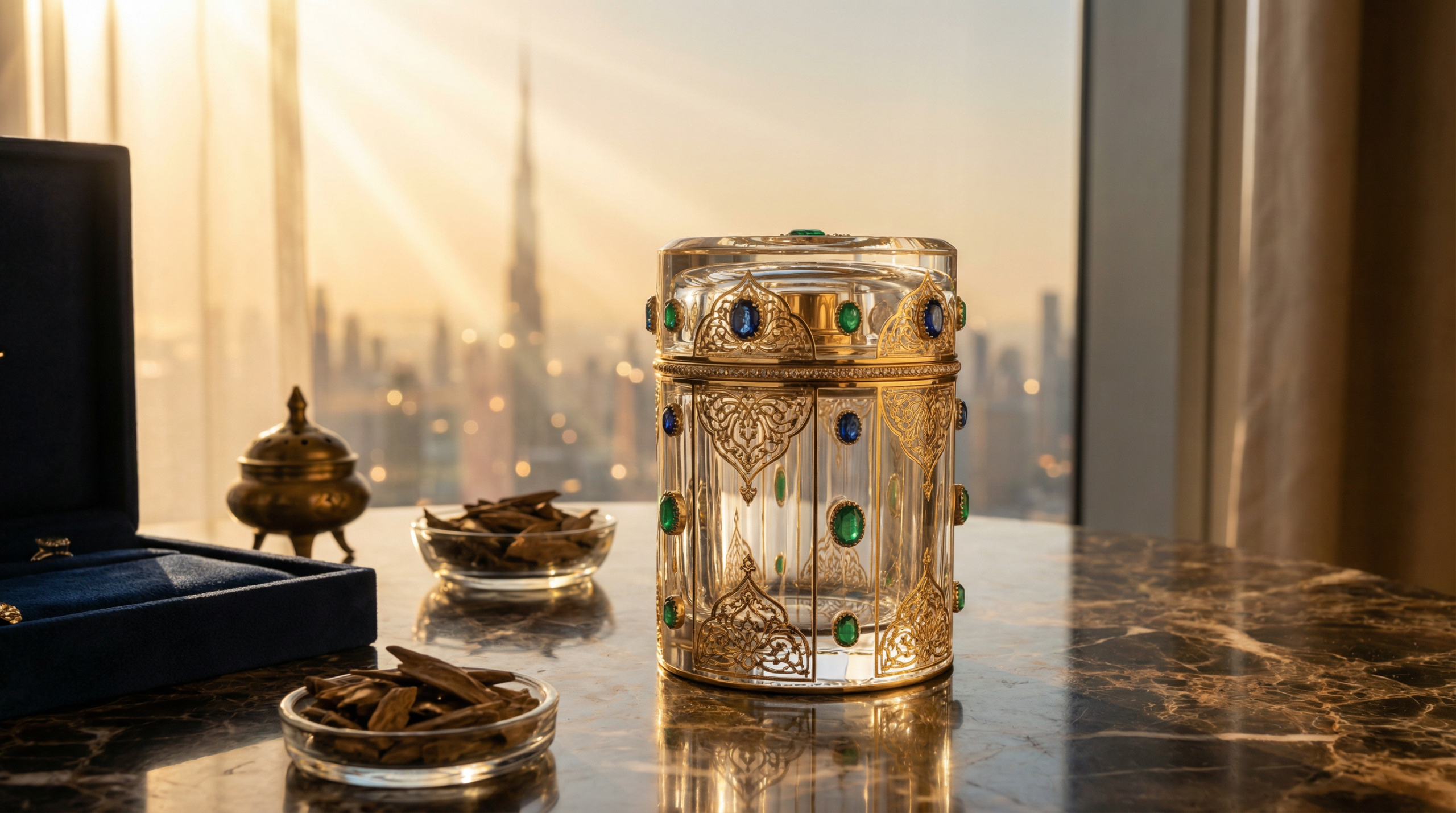

In the Middle East, the act of giving perfume transcends the simple exchange of a beautiful bottle. It represents centuries of tradition, spiritual reverence, and unspoken social codes that elevate fragrance to a language of its own. Understanding these nuances transforms a thoughtful gesture into a profound expression of respect and connection.
The Soul of Scent: Why Perfume Holds Such Significance in the Middle East
Fragrance occupies a sacred space in Middle Eastern culture, rooted in both spiritual practice and social custom. The Prophet Muhammad (peace be upon him) loved perfume, particularly oud and musk, establishing a tradition that continues to shape gifting customs today.
Beyond religious significance, perfume represents purity, generosity, and sophistication. In a region where hospitality defines social status, offering a guest a precious scent demonstrates the highest form of welcome. The invisible yet unmistakable presence of fragrance mirrors the concept of lasting impression—a gift that lingers long after the moment has passed.
This deep cultural connection means that perfume gifting carries weight far beyond its monetary value. A carefully chosen scent communicates understanding, thoughtfulness, and genuine care for the recipient’s preferences and status.
Beyond the Bottle: Decoding the Intent Behind a Fragrant Gift
Every fragrance gift carries an unspoken message. During Eid celebrations, exchanging perfumes symbolizes renewal and purification, marking the spiritual significance of the occasion. Wedding gifts often feature the most luxurious, long-lasting scents—oud-based blends or rich amber compositions that represent permanence and prosperity.
For business relationships, perfume serves as a sophisticated gesture of respect without the directness of monetary gifts. The quality of the scent reflects the value you place on the relationship, making selection critical.
When welcoming guests, presenting a perfume demonstrates that you’ve anticipated their visit with care and preparation. This tradition of “istiqbal” positions the host as generous and attentive, strengthening social bonds through the simple act of sharing beauty.
Understanding these contexts prevents cultural missteps. A light, casual fragrance might seem dismissive at a formal occasion, while an overly opulent scent could appear presumptuous in the wrong setting.
Navigating the Nuances: Unspoken Rules for Gifting Perfume
Several unwritten codes govern perfume gifting in the GCC. First, gender-appropriate scents matter deeply. While Western markets blur fragrance gender lines, Middle Eastern tradition maintains distinct profiles—rich ouds and woody ambers for men, delicate florals and sweet musks for women.
Never give an opened or used bottle, regardless of how rare or expensive. The seal represents purity and respect. Similarly, avoid gifting cheap or synthetic fragrances, as they can inadvertently insult the recipient.
Timing carries significance. Present perfumes at the beginning of celebrations rather than as an afterthought. During home visits, offer the fragrance early, allowing your host to display and appreciate it properly.
Reciprocation forms the final unspoken rule. While not immediate, returning the gesture of a perfume gift—particularly for weddings and major celebrations—maintains the delicate balance of social relationships. The reciprocal gift need not match in value but should reflect similar thoughtfulness.
From Oud to Attar: Choosing the Right Fragrance for the Occasion
Oud remains the gold standard for significant occasions—weddings, milestone birthdays, or honoring elders. Its intensity and longevity convey seriousness and respect. Royal-quality oud chips or concentrated oud oils represent the pinnacle of luxury gifting.
Bakhoor and incense blends suit religious occasions and housewarming gifts, bringing blessings to new spaces. Attars—concentrated perfume oils—work beautifully for intimate occasions, offering personalization and traditional craftsmanship.
For younger recipients or contemporary tastes, modern Oriental blends combining traditional notes with Western florals bridge generational preferences. Amber and musk compositions offer safer choices when preferences remain unknown.
Consider seasonal appropriateness. Heavy, warm scents suit cooler months and evening events, while lighter musks and rose-based fragrances work for daytime summer occasions.
The Art of Presentation: Elevating the Gifting Experience
Presentation amplifies the gift’s impact. Luxurious packaging—velvet boxes, intricate wrapping, or traditional wooden chests—demonstrates that care extended beyond selecting the fragrance itself.
Include complementary elements: crystal application bottles, decorative tassels, or small amounts of bakhoor create a complete sensory experience. In Emirati tradition, presenting multiple small bottles rather than one large one can show even greater thoughtfulness.
The physical act of offering matters. Present the gift with both hands, ensuring the recipient can accept it gracefully. Never thrust a gift casually or leave it unattended.
When receiving a perfume gift, apply a small amount immediately if appropriate to the setting. This gesture honors the giver’s choice and acknowledges the thought behind their selection.