
No products added!
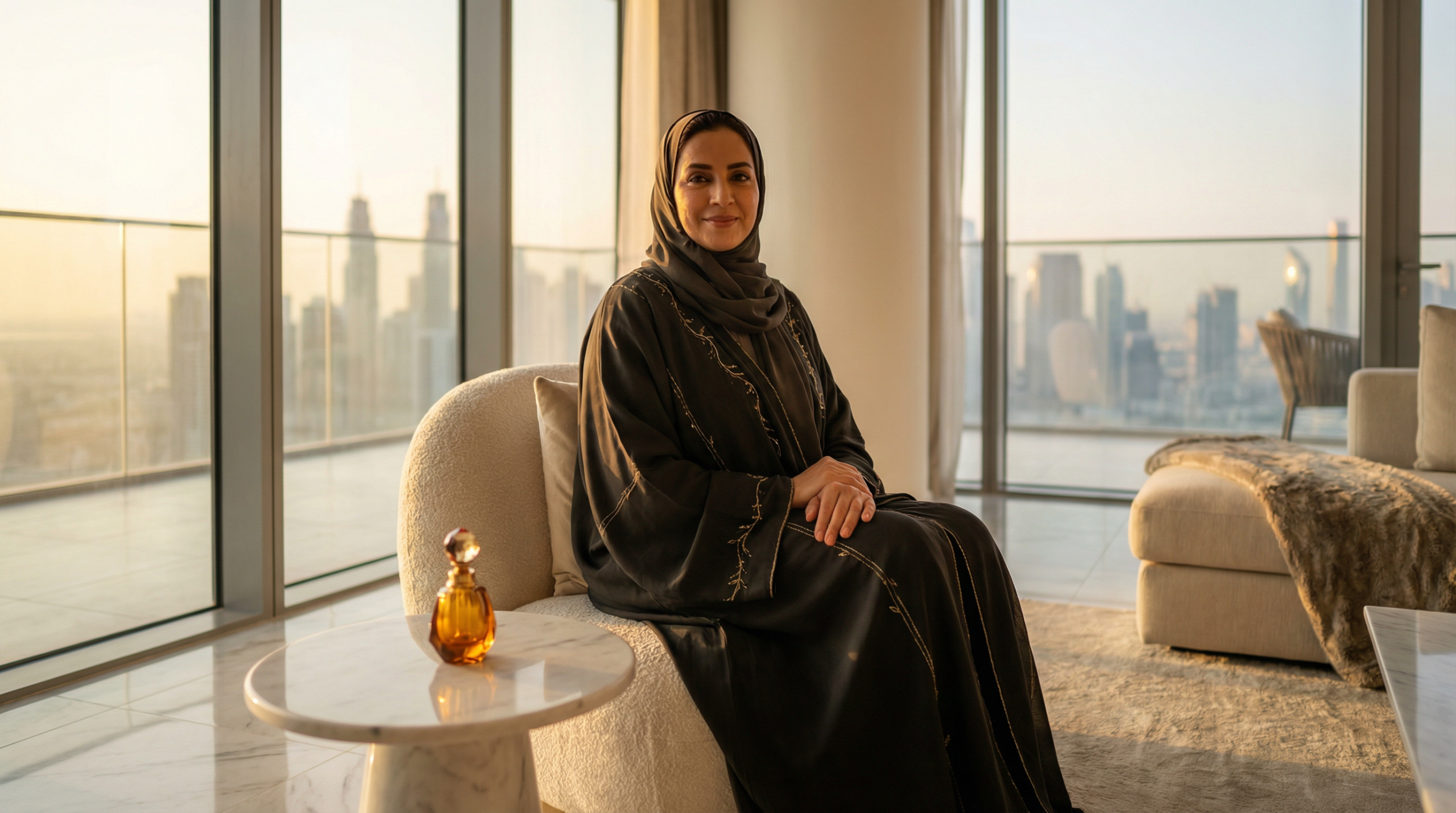

The Genesis of Scent: A Rich Heritage in the GCC
In the Gulf Cooperation Council countries, fragrance has never been a mere accessory. For centuries, the art of perfumery has woven itself into the very fabric of daily life, religious observance, and social interaction. From the ancient incense routes that passed through the Arabian Peninsula to the modern souks of Dubai and Riyadh, scent has served as a silent ambassador of identity, culture, and personal values.
The practice of wearing perfume in the GCC predates modern luxury perfumery by millennia. Historical accounts reveal that aromatic materials like frankincense, myrrh, and oud were considered precious commodities, traded alongside gold and spices. These fragrances were not simply pleasant aromas—they were integral to spiritual rituals, used to purify homes, and worn as expressions of piety and prosperity.
This deep-rooted tradition continues to shape how residents of the GCC approach fragrance today. The act of selecting and wearing perfume carries weight and intentionality that transcends Western notions of personal grooming.
Beyond Adornment: How Fragrance Becomes a Personal Narrative
In the GCC, your scent speaks volumes before you utter a single word. The fragrance you wear communicates your mood, your values, and your understanding of social contexts. Unlike in many Western cultures where perfume might be chosen primarily for aesthetic pleasure, Gulf residents understand scent as a form of self-expression comparable to clothing, jewelry, or spoken word.
This narrative quality stems from the region’s oral storytelling traditions and emphasis on sensory experiences. Just as poetry and literature have historically preserved cultural memory, fragrance serves as an olfactive autobiography. A woman who chooses a particular combination of notes is consciously or unconsciously telling her story—her connection to heritage, her modern sensibilities, her spiritual life, and her social awareness.
The intentionality extends to different life moments. Wedding days call for opulent, memorable scents that will forever mark that chapter. Religious occasions demand subtle, respectful fragrances. Professional settings might inspire confident, sophisticated notes. Each choice adds another page to an evolving olfactive story.
Iconic Scents: The Language of Oud, Amber, and Bakhoor
Certain aromatic materials function as a shared vocabulary in the GCC, carrying meanings understood across generations. Oud—the resinous heartwood from agarwood trees—represents the pinnacle of this olfactive language. Its complex, woody, almost medicinal quality evokes luxury, tradition, and spiritual depth. Wearing oud signals an understanding of cultural roots and an appreciation for time-honored customs.
Amber notes convey warmth, sensuality, and generosity—qualities highly valued in Gulf hospitality culture. Musk speaks to purity and cleanliness, while rose represents beauty and romance within Islamic tradition. Bakhoor, the practice of burning fragrant wood chips, creates an atmospheric backdrop for gathering spaces, turning any room into a perfumed sanctuary.
These materials carry emotional resonance that transcends their chemical compositions. They evoke childhood memories of grandmothers’ majlis gatherings, the solemnity of prayer spaces, and the excitement of festive celebrations. When a woman wears these notes, she’s not just smelling pleasant—she’s activating collective memory and cultural belonging.
Scent as Social Signature: Tradition, Occasion, and Expression
Understanding the social dimensions of fragrance is essential in the GCC. The concept of “perfume etiquette” governs when, where, and how much fragrance is appropriate. During Ramadan, lighter, more subtle scents demonstrate respect and spiritual focus. Eid celebrations welcome rich, celebratory fragrances that match the joy of the occasion.
Professional environments require careful balance—fragrances should be noticeable enough to demonstrate personal care but never overwhelming. Social gatherings offer opportunities for bolder expression, where distinctive scent signatures can spark conversations and create lasting impressions.
This nuanced approach reflects broader cultural values around modesty, consideration for others, and situational awareness. The ability to select contextually appropriate fragrances demonstrates sophistication and cultural literacy.
Crafting Your Olfactory Legacy: The Art of Personal Scent Layering
Mukhalat—the practice of layering multiple fragrances—represents the ultimate personalization of scent identity in the GCC. This sophisticated technique involves combining oils, sprays, and incense to create unique signatures that cannot be replicated by single-bottle perfumes.
The process begins with understanding base notes, middle notes, and top notes, then thoughtfully combining them to reflect personality facets. A woman might layer a traditional oud oil as her base, add floral notes for femininity, then finish with citrus top notes for contemporary brightness. The result is a multidimensional scent story as complex as the wearer herself.
This practice has gained renewed appreciation among younger generations who seek to honor heritage while asserting individual identity. The ability to create a truly personal scent—one that cannot be purchased off any shelf—speaks to the GCC’s enduring appreciation for artisanal craft and personal distinction.
The Future of Fragrance: East-West Fusion and Modern Personal Identity
In 2025, GCC women navigate multiple cultural influences with remarkable fluidity, and their fragrance choices reflect this cosmopolitan reality. The emergence of East-West fusion in perfumery mirrors broader lifestyle patterns—professional women who wear tailored business attire might layer Western floral fragrances over traditional oud oils, creating olfactive expressions of their multifaceted identities.
This blending represents evolution rather than abandonment of tradition. Young Emirati and Saudi women are reimagining their grandmothers’ perfume rituals through contemporary lenses, creating new traditions while honoring ancestral wisdom. The resulting scent narratives are uniquely positioned at the intersection of heritage and modernity.