
No products added!
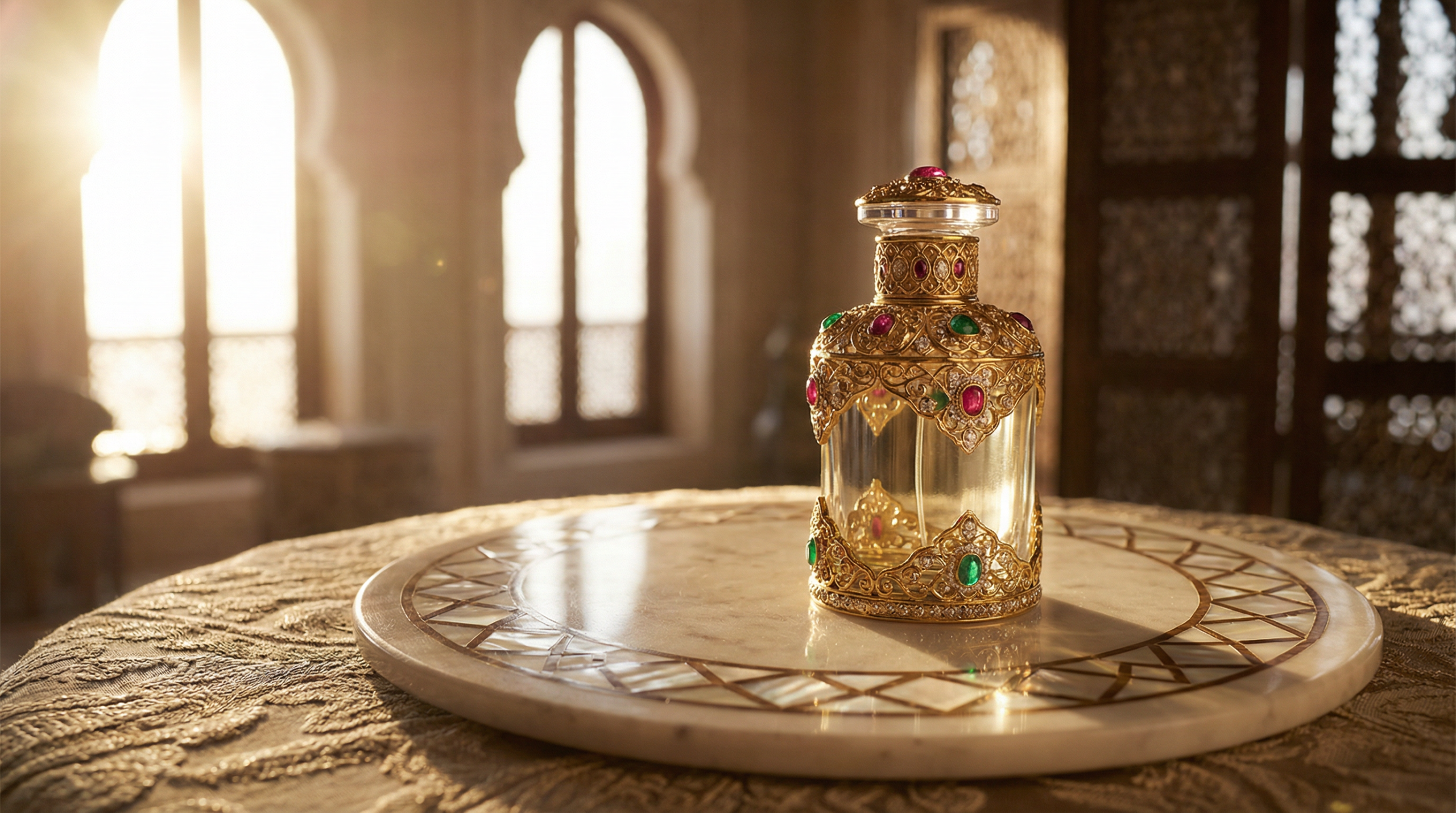

The Enduring Allure of Gulf Scents: A Journey Through Time
The perfumery traditions of the Arabian Gulf carry stories that span centuries, woven into the very fabric of cultural identity and celebration. Long before modern fragrance houses emerged, attars—precious oil-based perfumes—were crafted by master perfumers who understood the intimate relationship between scent and soul. These concentrated essences, free from alcohol, were treasured in ornate bottles and passed down through generations as heirlooms of olfactory heritage.
Today, as 2026 unfolds, there’s a profound resurgence of interest in these vintage Gulf scents. Women across the UAE, Saudi Arabia, and the broader GCC region are rediscovering the sophisticated complexity of traditional blends that once perfumed their grandmothers’ majlis gatherings and wedding celebrations.
This revival isn’t merely about nostalgia—it’s about reclaiming a sensory heritage that speaks to identity, luxury, and timeless elegance.
Decoding Fragrance Nostalgia: Why Vintage is Voguish in 2026
The global fragrance industry has witnessed a remarkable shift toward heritage scents, but the Gulf market experiences this trend with particular intensity and authenticity. Unlike Western nostalgia for synthetic 1980s powerhouses, the yearning here connects to genuine artisanal traditions that predate modern perfumery by centuries.
Several forces drive this renaissance. The younger generation of Gulf women, globally connected yet culturally rooted, seeks fragrances that honor their heritage while reflecting contemporary sophistication. There’s also growing awareness about ingredient quality and craftsmanship—values inherent to traditional attar-making.
Moreover, in an era of mass production, the bespoke nature of vintage Gulf perfumery offers something increasingly rare: individuality. These scents don’t follow seasonal trends; they create personal signatures that evolve beautifully with body chemistry.
Key Ingredients That Define Gulf Perfumery: From Oud to Amber
Understanding vintage Gulf scents requires familiarity with their foundational ingredients, each carrying distinct cultural significance and olfactory profiles.
Oud, extracted from agarwood, reigns supreme as the most prized ingredient. Its deep, woody complexity ranges from smoky and leathery to sweet and resinous, depending on origin and age. Traditionally, the most valuable oud comes from naturally infected trees, creating scarcity that elevates its luxury status.
Rose, particularly the Taif variety from Saudi Arabia’s mountainous regions, brings delicate yet enduring sweetness. When combined with oud, it creates the quintessential Gulf pairing—strength softened by elegance.
Amber, musk, and saffron complete the traditional palette. Warm, golden amber adds richness, while musk provides sensual depth. Saffron, the world’s most expensive spice, contributes subtle earthiness and precious character.
These ingredients weren’t chosen randomly—they withstand the Gulf’s intense climate, developing rather than fading in heat.
Reimagining Tradition: Modern Twists on Classic Gulf Blends
Contemporary perfumers are honoring vintage formulations while addressing modern preferences and sustainability concerns. This reimagining manifests in several thoughtful ways.
Extraction techniques have evolved significantly. Advanced distillation methods now capture more nuanced facets of traditional ingredients, revealing subtler notes that vintage processes might have obscured. CO2 extraction, for instance, preserves delicate rose essences that heat-based methods could compromise.
Sustainable sourcing has become paramount. Responsible oud cultivation programs ensure this precious resource remains available for future generations. Ethical musk alternatives replicate the warmth of traditional musk without animal-derived ingredients.
Ingredient balancing has also shifted subtly. While vintage blends often featured heavy, uncompromising concentrations, modern interpretations might lighten the composition slightly, making these sophisticated scents appropriate for diverse occasions—from boardroom to ballroom.
The East-West fusion has enriched the tradition beautifully. Some perfumers integrate French high-perfumery techniques with Gulf ingredients, creating bridges between heritage and innovation without compromising authenticity.
The Wellness Connection: How Scent Enhances Inner and Outer Beauty
Within Gulf culture, fragrance transcends mere adornment—it’s intrinsically linked to personal wellness and spiritual practice. This holistic understanding aligns perfectly with 2026’s broader wellness trends.
Traditional attars carry therapeutic properties recognized for centuries. Oud promotes grounding and mental clarity, particularly valued during meditation. Rose oil soothes emotional tension and enhances feelings of self-love. Amber’s warmth provides comfort and confidence.
Applying fragrance mindfully becomes a daily ritual of self-care, a moment of intentionality in hectic modern lives. This practice honors the body as sacred, deserving of beauty and care—values deeply embedded in Islamic tradition.
The connection between scent and memory also serves emotional wellness. A familiar vintage blend can transport you to cherished moments, providing comfort and continuity across life’s changes.
Cultivating Your Signature Scent: An Authentic Expression
Selecting a fragrance that honors heritage while expressing personal style requires thoughtful consideration. Begin by exploring single-note attars to understand your preferences—do you gravitate toward oud’s intensity, rose’s romance, or amber’s warmth?
Consider layering, a traditional Gulf technique where multiple attars combine to create unique signatures. This practice allows infinite customization, ensuring your scent remains distinctly yours.
Pay attention to quality indicators: authentic oud should have natural variation in color and consistency, while genuine rose attar develops beautifully on skin rather than evaporating quickly.
Think about occasions and seasons. Heavier vintage blends suit cooler months and evening events, while lighter interpretations work beautifully for daytime wear.