
No products added!
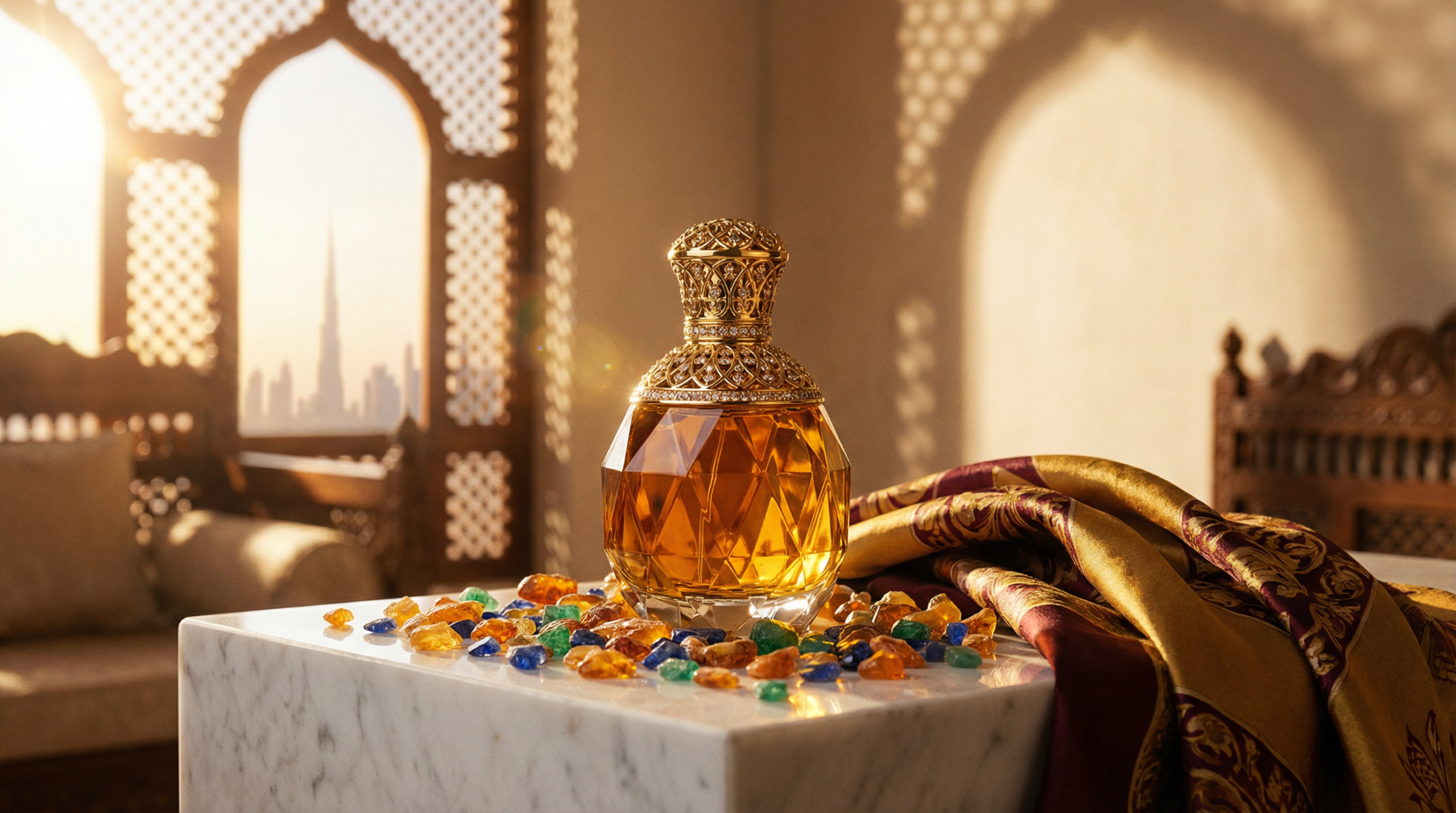

In an age of instant gratification and mass production, the ancient art of Arabic perfumery stands as a powerful testament to patience, precision, and profound cultural heritage. While modern fragrance houses can synthesize scents in days, traditional Arabic perfume-making remains a deliberate, meditative process that can span months or even years. This slow-craft approach transforms raw botanical treasures into liquid poetry, creating fragrances that carry the soul of ancient lands within each precious drop.
The Soul of Scent: Unveiling the Philosophy of Slow-Crafted Arabic Perfumes
The philosophy behind traditional Arabic perfumery extends far beyond simply creating pleasant aromas. It represents a spiritual practice, an art form, and a cultural inheritance passed down through generations. Each fragrance tells a story of place, time, and tradition.
In the Arab world, perfume holds sacred significance. It connects the wearer to centuries of Islamic tradition, where the Prophet Muhammad emphasized cleanliness and beautiful scents as expressions of faith and respect. This cultural reverence transforms perfume-making from mere commerce into a form of devotion.
The slow-craft method honors this heritage by refusing to rush perfection. Master perfumers understand that certain ingredients reveal their deepest complexities only through patient extraction and aging. This unhurried approach allows natural materials to develop their full olfactory potential, creating depth and longevity impossible to replicate through synthetic shortcuts.
From Ancient Lands: The Precious Harvest of Perfume Ingredients
The journey of an Arabic perfume begins in remote corners of the Middle East, Southeast Asia, and East Africa, where skilled harvesters gather precious raw materials using techniques unchanged for centuries.
Oud, perhaps the most treasured ingredient, comes from agarwood trees infected with specific mold. Harvesters must identify infected trees in dense forests, often trekking for days to reach ancient groves. The resinous heartwood is then carefully extracted, with the finest grades becoming more valuable than gold.
Frankincense and myrrh, biblical resins central to Arabian perfumery, are hand-collected from hardy trees growing in harsh desert climates. Skilled collectors make precise incisions in tree bark, allowing aromatic sap to seep and harden over weeks before careful harvesting.
Taif roses, cultivated in the mountainous regions of Saudi Arabia, bloom for just three weeks annually. Harvesters must gather petals at dawn when essential oil concentration peaks, processing them immediately to capture their intoxicating essence. This narrow harvest window makes Taif rose one of the world’s most expensive perfume ingredients.
Amber and musk, though now often sourced ethically or recreated naturally, historically involved equally painstaking collection methods that required specialized knowledge and tremendous patience.
The Alchemist’s Touch: Traditional Techniques in Arabic Perfume Artistry
Once raw materials reach the perfumer’s workshop, the true alchemy begins. Traditional Arabic perfume-making employs techniques that modern science has validated as optimal for extracting and preserving aromatic compounds.
Enfleurage, an ancient process still used for delicate flowers, involves layering petals on purified fat that slowly absorbs their essence over weeks. Maceration follows, where botanical materials steep in carrier oils for months, releasing their aromatic souls drop by drop.
Master perfumers practice the art of layering, carefully blending base, heart, and top notes in precise proportions. Unlike Western perfumes that often prioritize initial impact, Arabic fragrances emphasize longevity and evolution. A single scent might reveal different facets throughout the day, telling an olfactory story that unfolds over hours.
The integration of gemstone essences represents a unique Middle Eastern innovation, where crushed precious stones like diamonds, sapphires, and emeralds are incorporated into the aging process. Traditional practitioners believe these minerals enhance fragrance longevity and add subtle energetic qualities, bridging ancient wisdom with contemporary luxury.
Sustainable Scents: Crafting Future Heritage with Ethical Practices
In 2026, the slow-craft movement in Arabic perfumery has naturally aligned with sustainability principles. Traditional methods, by their very nature, tend toward environmental consciousness.
Ethical oud cultivation programs now allow agarwood trees to be artificially inoculated rather than wild-harvested to extinction. Frankincense harvesters practice sustainable tapping techniques that allow trees to heal and continue producing for generations. Rose growers maintain chemical-free gardens, preserving both fragrance purity and environmental health.
Small-batch production reduces waste while ensuring quality control. The emphasis on concentration means customers need far less product, as a single drop of traditional attar can perfume skin for an entire day. This efficiency represents the ultimate luxury: abundance through mindful restraint.
The Enduring Essence: Arabic Perfumes as Cultural Legacy and Luxury
Arabic perfumery’s slow-craft approach offers modern women a meaningful alternative to fast fashion and disposable beauty culture. These fragrances invite wearers to participate in living history, connecting contemporary modest fashion sensibilities with timeless cultural expressions.
Understanding the harvest-to-heart journey deepens appreciation for each application. When you wear a traditionally crafted Arabic perfume, you carry the patience of harvesters, the skill of artisans, and the wisdom of centuries. This knowledge transforms a simple beauty ritual into an act of cultural preservation and personal mindfulness.