
No products added!
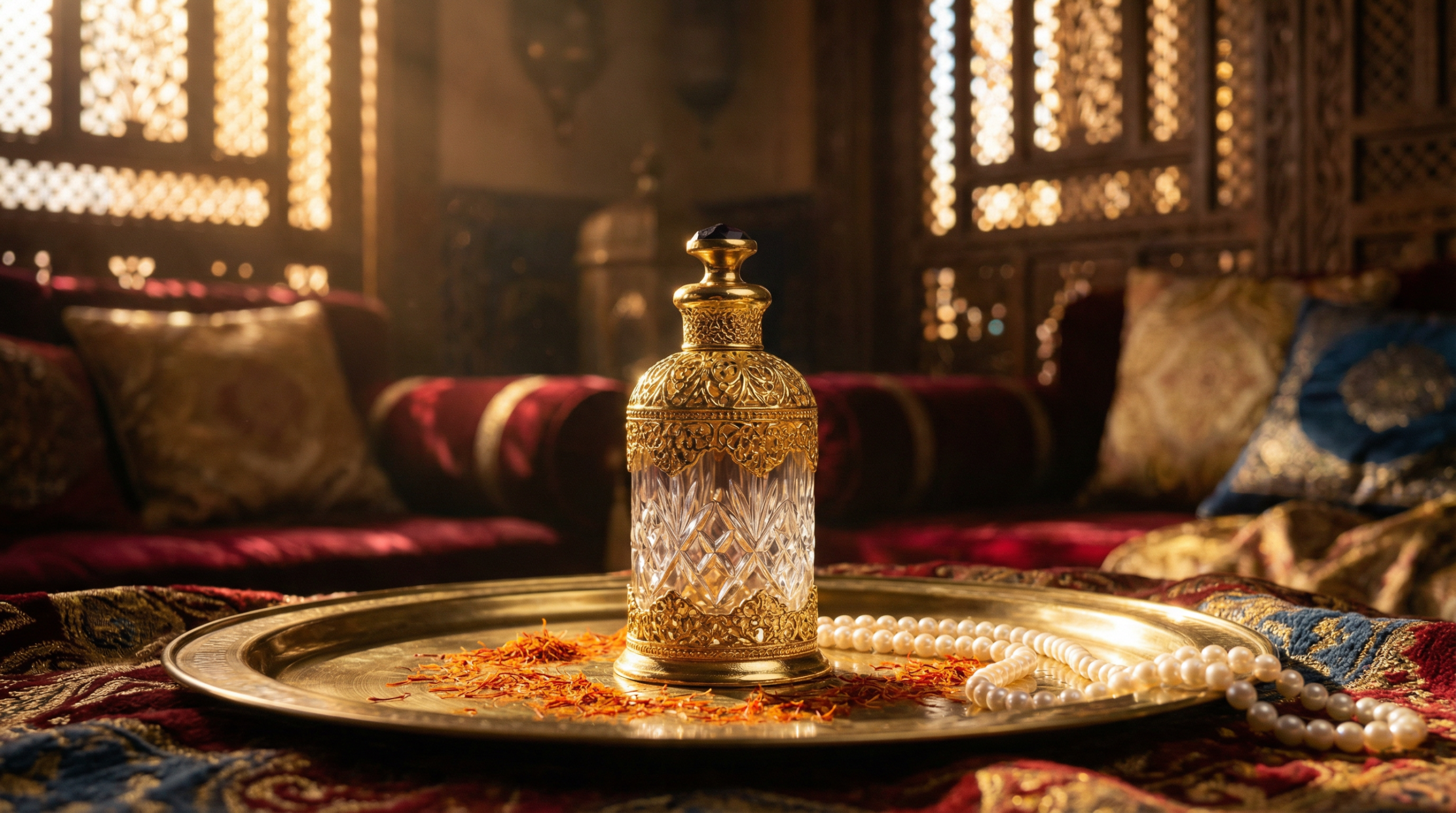

The delicate glass bottle your grandmother kept on her dressing table. The mysterious amber liquid your mother would dab behind her ears before special occasions. These aren’t just perfumes—they’re liquid memories, olfactory heirlooms that carry the essence of generations past. In 2026, as GCC women increasingly seek authentic connections to their heritage, the concept of scent genealogy offers a profound pathway to rediscovering cultural identity through fragrance.
The Echo of Ancestors: What is Scent Genealogy?
Scent genealogy represents the practice of tracing and identifying the traditional fragrances that defined previous generations within a family. Unlike Western perfume collecting, this practice runs deeper in Middle Eastern culture, where attars have served as intimate markers of identity, social status, and spiritual practice for centuries.
Think of it as aromatherapeutic archaeology. Just as families preserve recipes, jewelry, or textiles, olfactory traditions were passed down through matrilineal lines—though many have been lost in the rapid modernization of recent decades. The grandmother who knew exactly which combination of oud and rose marked special occasions, the great-aunt whose signature musk blend announced her presence before she entered a room—these aromatic signatures are part of your heritage.
The challenge in 2026 is that many of these traditional formulations exist only in fading memories. Chemical perfumes have largely replaced natural attars in daily use, leaving a generation disconnected from their scent ancestry.
Attars: The Olfactory Tapestry of Generations in the GCC
Traditional attars differ fundamentally from commercial perfumes. These concentrated oil-based fragrances contain no alcohol, making them halal and suitable for prayer. More importantly, they were crafted using ancient distillation methods that produced complex, evolving scents unique to specific regions and families.
Emirati families might have favored woody, resinous blends featuring oud and sandalwood, reflecting the frankincense trade routes. Saudi traditions often incorporated heavier, more opulent notes like amber and musk, particularly in the Hijaz region. Kuwaiti and Bahraini preferences historically leaned toward rose and saffron combinations, influenced by Persian trade connections.
These weren’t random choices. Each ingredient carried symbolic weight. Oud signified wisdom and protection. Rose represented femininity and grace. Musk embodied strength and sensuality. Saffron denoted prosperity and celebration. Understanding these associations helps decode the values your ancestors prioritized.
Decoding Your Family’s Lost Attar: A Journey Through Notes and Memories
Beginning your scent genealogy research requires detective work. Start with oral history—conversation with older female relatives is invaluable. Ask specific questions: What did they wear to weddings? Which fragrance marked Eid celebrations? Was there a blend reserved exclusively for the family matriarch?
Pay attention to descriptive language. When an aunt describes a scent as “heavy like earth after rain,” she’s likely referring to oud. “Sweet but not flowery” might indicate amber or benzoin. “Sharp, almost medicinal” could point to camphor or specific incense resins.
Regional markers matter significantly. Families from the Eastern Province of Saudi Arabia have different olfactory traditions than those from Najd. Urban Dubai families might have different preferences than those with Bedouin heritage. Understanding your family’s geographical roots provides crucial context.
Physical objects offer clues too. Examine old perfume bottles, incense burners, or traditional clothing. Some fabrics retain scent molecules for decades, particularly heavy materials like velvet or brocade used in special-occasion abayas.
Beyond Fragrance: Attars as Keepers of Cultural Identity and Wellness
The significance of family attars extends beyond pleasant aromas. These fragrances were integrated into spiritual practices, applied before prayer or Quran recitation. They marked transitions—puberty, marriage, motherhood—serving as olfactory milestones in a woman’s life journey.
In traditional modest fashion rituals, specific attars complemented particular garments. A heavily embroidered jalabiya might be paired with rich, baroque blends, while simple daily abayas called for lighter, more subtle applications. This coordination represented a sophisticated understanding of sensory harmony.
Wellness practices also incorporated these oils. Many traditional attars contained ingredients valued in Islamic medicine—rose for heart health, sandalwood for mental clarity, oud for grounding anxiety. Grandmothers understood what modern aromatherapy is only now confirming: scent profoundly affects emotional and physical wellbeing.
Preserving the Olfactory Legacy: Future-Proofing Your Scented Heritage
Once identified, preserving your family’s lost attar becomes an act of cultural stewardship. Document formulations carefully, noting not just ingredients but proportions and application contexts. Record the stories attached to each scent—who wore it, when, and why.
Consider creating a physical archive. Natural attars, properly stored in dark glass away from heat, can last generations. Some families in 2026 are establishing “scent libraries,” preserving multiple generations of formulations for future descendants.
Share knowledge intentionally. Teach younger family members about these traditions before the information disappears entirely. The fifteen-year-old who seems uninterested today might deeply cherish this connection in her thirties.
Reconnecting Through Scent
Discovering your family’s lost attar represents more than recovering a pleasant fragrance. It’s about reclaiming a sensory dimension of your heritage, understanding the women who came before you through their olfactory choices, and establishing continuity between past and future.
The journey requires patience, curiosity, and openness to sensory memory. Start conversations, ask questions, smell everything. Your family’s aromatic legacy awaits rediscovery, ready to enrich your understanding of identity and belonging in ways both subtle and profound.