
No products added!
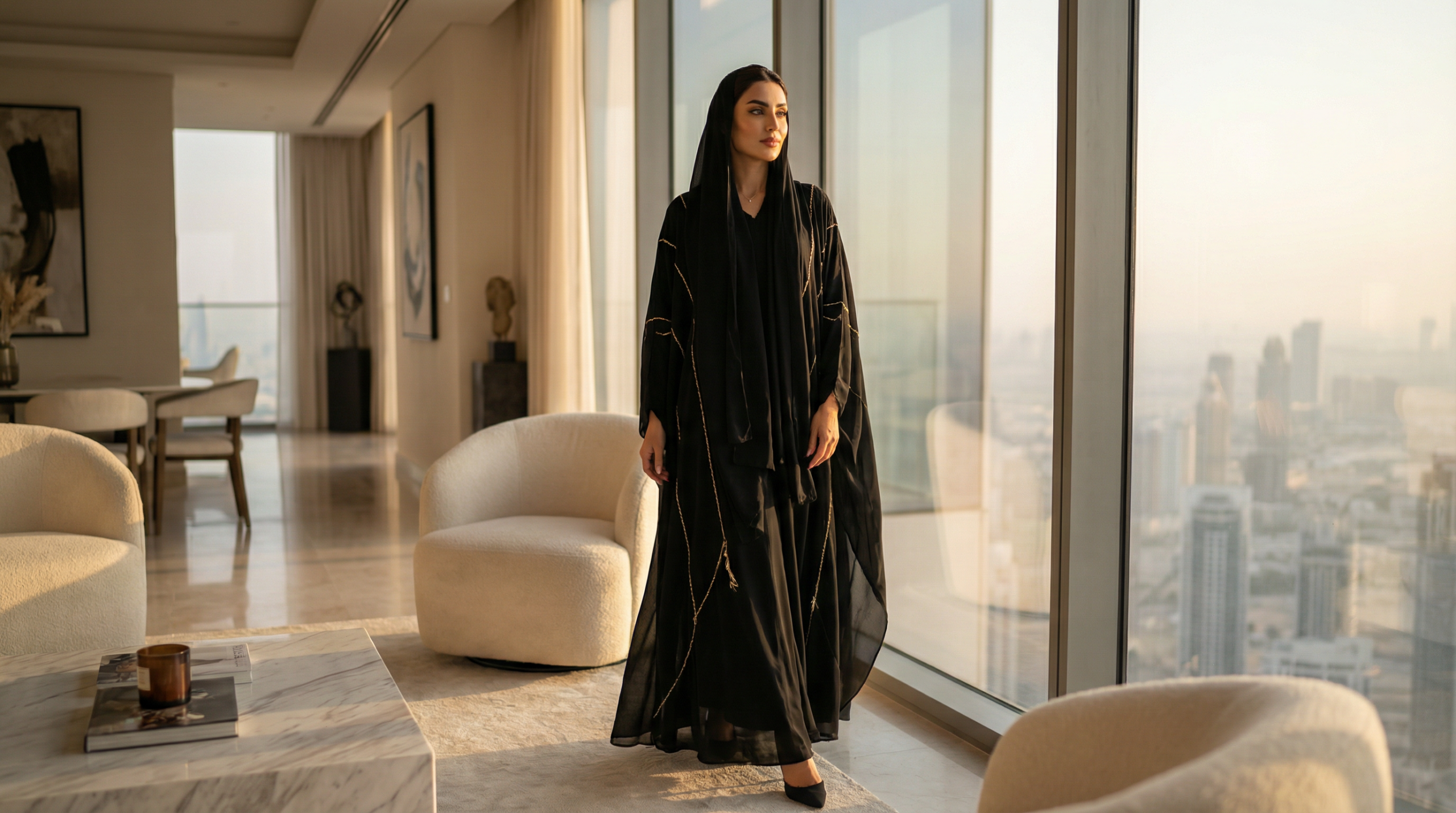

The abaya has long transcended its purely functional origins to become a canvas for personal expression, cultural pride, and sophisticated style. Yet in Dubai’s luxury retail corridors and Riyadh’s fashion-forward circles, the difference between an elegant abaya ensemble and one that appears unrefined often comes down to styling nuances that have nothing to do with price tags.
As we navigate 2026’s evolving modest fashion landscape, understanding these subtle distinctions has never been more important for women who view their abaya as both a cultural statement and a fashion investment.
The Subtle Art of Abaya Elegance: Beyond Just Fabric
True luxury in abaya styling isn’t measured solely by how much you spend, but by the overall impression you create. The most expensive abaya can appear diminished when paired with the wrong accessories or fitted improperly, while a thoughtfully chosen mid-range piece can exude sophistication when styled with attention to detail.
This distinction becomes particularly crucial in the GCC’s discerning fashion environment, where women have access to extraordinary craftsmanship and increasingly expect their modest wear to reflect contemporary luxury standards.
Mistake 1: Compromising on Fabric Quality and Drape
The single most transformative element in any abaya is the quality of its fabric. Synthetic blends may promise easy care, but they often betray themselves through static cling, unflattering sheen, and poor draping that wrinkles throughout the day.
Natural fibers like silk, premium crepe, linen blends, and high-quality nida create movement and flow that synthetic materials simply cannot replicate. These fabrics respond to body temperature, drape beautifully across the shoulders, and develop an elegant swing as you move.
In 2026’s climate-conscious fashion narrative, natural fibers also align with sustainability values increasingly important to Gulf fashion consumers. The weight of the fabric matters equally—too lightweight appears flimsy, while excessively heavy materials look dated and overwhelm petite frames.
Mistake 2: Overlooking the Power of Proper Fit and Silhouette
An abaya that drags on the ground or has sleeves extending past your fingertips instantly diminishes your entire appearance, regardless of the garment’s inherent quality. Proper hemming isn’t optional—it’s essential to achieving a polished look.
The shoulder seam placement deserves particular attention. When this sits even slightly off your natural shoulder line, it creates an ill-fitted appearance that suggests off-the-rack compromise rather than considered style. Contemporary abaya silhouettes in 2026 favor clean lines and architectural precision, making fit more critical than ever.
Consider your height and frame when selecting styles. Petite women benefit from vertical design elements and slightly higher waist placements, while taller frames can embrace more dramatic volumes and floor-grazing lengths without appearing overwhelmed.
Mistake 3: Misjudging Layering and Undergarment Harmony
Visible undergarment lines, mismatched inner dress lengths, and bulky layering create visual disruption that undermines even the most beautiful abaya. The art of layering requires strategic thinking about color coordination, fabric weights, and proportions.
Your inner dress should complement, not compete with, your abaya. When the underdress hem extends beyond the abaya or creates bulk at the waist, it fractures the streamlined silhouette that defines elegant modest dressing.
Seamless undergarments in neutral tones matching your abaya color create invisible foundations. In cooler months, choose slim-profile thermal layers rather than bulky options that add unwanted volume. The goal is creating a harmonious whole where each layer enhances rather than detracts from the overall composition.
Mistake 4: Accessory Overload or Understated Impact
The pendulum swings both ways with abaya accessorizing. Excessive statement pieces—multiple bold necklaces, oversized bags, heavily embellished belts simultaneously—create visual chaos that reads as trying too hard rather than effortlessly chic.
Conversely, completely foregoing accessories leaves your ensemble feeling incomplete and generic. The sophisticated approach balances one or two carefully chosen pieces: perhaps delicate gold jewelry with a structured clutch, or an elegant timepiece with subtle earrings.
Personal fragrance serves as an invisible accessory that elevates presence without visual clutter. A distinctive, well-chosen scent creates memorable impressions and adds dimension to your presentation in ways that transcend the visual.
Mistake 5: Neglecting Cultural Nuances and Contemporary Trends
Abaya styling in 2026 exists at the intersection of cultural respect and contemporary expression. Misunderstanding this balance leads to outfits that feel either costume-like or disconnected from modest fashion’s cultural roots.
Regional preferences within the GCC influence appropriate styling choices. What appears perfectly elegant in Dubai’s cosmopolitan settings might feel out of place in more traditional contexts, and vice versa. Understanding these nuances demonstrates cultural fluency alongside fashion awareness.
Current trends favor architectural cuts, monochromatic sophistication, and subtle textural interest over excessive embellishment. The modern approach to abaya luxury emphasizes refined minimalism, exceptional craftsmanship, and timeless elegance rather than trend-chasing or conspicuous ornamentation.
Elevating Your Abaya Style in 2026
Avoiding these common mistakes ultimately comes down to three core principles: investing in quality fabrics that drape beautifully, ensuring impeccable fit through proper tailoring, and approaching accessories with thoughtful restraint. When you honor both the cultural significance of modest dress and contemporary luxury aesthetics, your abaya becomes a sophisticated expression of personal style that transcends fleeting trends and commands respect in any setting.