
No products added!
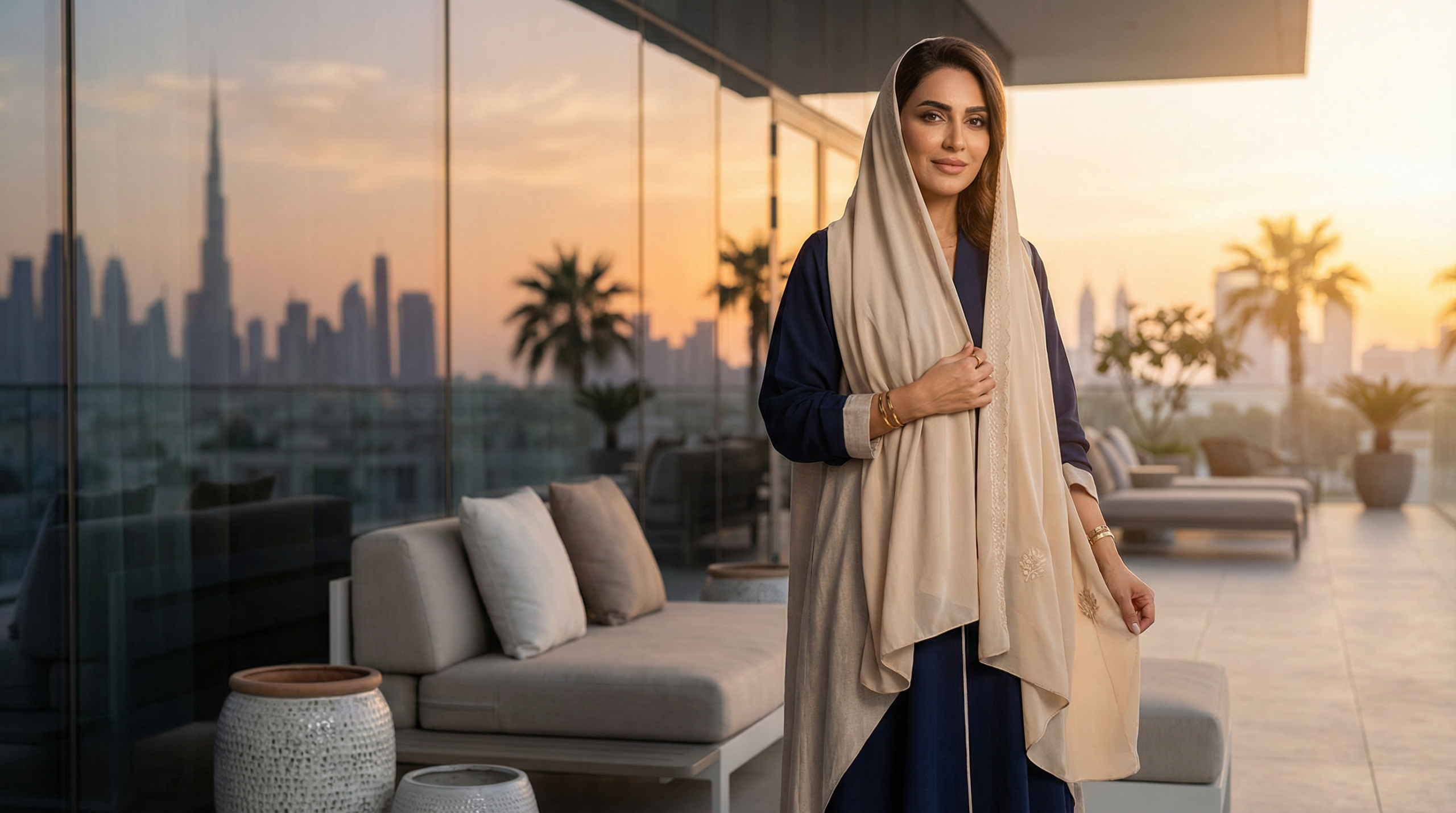

The art of selecting the perfect abaya begins with understanding fabric. As we navigate through 2026, the conversation around abaya materials has evolved beyond mere aesthetics to encompass sustainability, innovation, and performance in the Gulf’s demanding climate. Three fabrics consistently dominate the landscape: Nida, Linen, and Crepe. Each possesses distinct characteristics that cater to different lifestyles, occasions, and personal preferences.
For the discerning woman in Dubai, Riyadh, or across the GCC region, fabric knowledge represents the foundation of a truly luxurious modest wardrobe. This comprehensive analysis examines how these three materials compare across the metrics that matter most in 2026.
The Enduring Elegance of Nida: A Closer Look
Nida remains the cornerstone of traditional abaya craftsmanship. This synthetic blend, typically combining polyester with varying percentages of cotton or lycra, offers exceptional opacity and a distinctive matte finish that photographs beautifully. The fabric’s structured drape creates clean, architectural lines that flatter virtually every silhouette.
In the context of 2026’s sustainability conversations, premium Nida variants now incorporate recycled polyester fibers, addressing environmental concerns without compromising quality. The fabric’s inherent wrinkle resistance makes it ideal for travelers, while its durability ensures longevity that justifies investment in quality pieces.
Nida excels in air-conditioned environments, making it perfect for office wear, indoor events, and evening occasions. However, during outdoor summer activities in the Gulf climate, its synthetic composition may feel less breathable than natural alternatives. The fabric typically requires minimal maintenance—machine washable and quick-drying—which appeals to those seeking practical luxury.
Linen’s Luxurious Comfort: Redefining Abaya Wear
Linen has emerged as the sophisticated choice for those prioritizing natural fibers and breathability. This flax-derived fabric offers unparalleled comfort during the scorching Gulf summers, with moisture-wicking properties that keep wearers cool even in temperatures exceeding forty degrees Celsius.
The luxury of linen lies in its honest character. The fabric’s natural texture and slight irregularities signal authenticity in an era increasingly focused on sustainability and ethical production. High-quality linen softens beautifully with each wash, developing a lived-in elegance that synthetic fabrics cannot replicate.
Contemporary 2026 interpretations blend linen with small percentages of other fibers to reduce excessive wrinkling while maintaining breathability. These innovative blends honor tradition while addressing practical concerns. Linen abayas carry an effortless sophistication perfect for daytime shopping excursions, outdoor majlis gatherings, and travel to Mediterranean destinations.
The trade-off? Linen demands more attentive care, including proper storage and occasional pressing to maintain crisp presentation. Yet for many, this ritual becomes part of the luxury experience.
Crepe’s Versatile Charm: From Everyday to Gala
Crepe occupies the sweet spot between Nida’s structure and Linen’s natural ease. Characterized by its subtly crinkled surface and fluid drape, crepe offers remarkable versatility. Available in silk, polyester, or blended compositions, this fabric adapts to virtually any occasion with appropriate styling.
The flowing nature of crepe creates graceful movement, adding dimension to simple designs. Premium silk crepe represents the pinnacle of luxury—its luminous sheen and feather-light weight make it ideal for weddings, galas, and formal celebrations. Polyester crepe variants provide similar aesthetic appeal with enhanced durability and easier maintenance.
In 2026, advanced crepe blends incorporate technical fibers that enhance breathability while maintaining the fabric’s signature drape. This innovation addresses the Gulf climate’s demands without sacrificing elegance. Crepe also accepts embellishment beautifully, from delicate embroidery to crystal embellishments, making it a favorite for special occasions.
Head-to-Head: Nida vs. Linen vs. Crepe Across Key Metrics
Breathability: Linen dominates, followed by quality crepe blends, with traditional Nida ranking third. For outdoor summer wear, linen proves unmatched.
Drape and Silhouette: Crepe offers the most fluid movement, while Nida provides structured elegance. Linen falls between but with more natural texture.
Maintenance: Nida requires minimal effort, crepe needs gentle handling, and linen demands the most attention to prevent excessive wrinkling.
Versatility: Crepe adapts most seamlessly from casual to formal contexts, while Nida excels in professional settings and linen shines for relaxed daytime occasions.
Sustainability: Linen leads in eco-credentials as a natural fiber, with recycled Nida variants improving, and crepe varying based on composition.
Investment Value: All three justify their cost when quality is prioritized, with proper care extending lifespan significantly.
Choosing Your 2026 Abaya Fabric: Occasion, Climate, and Personal Style
The ideal fabric selection balances practical considerations with personal aesthetic preferences. Consider building a capsule collection that addresses different aspects of your lifestyle: Nida for professional environments and evening events, linen for daytime summer activities and travel, and crepe for occasions requiring elegant versatility.
Climate plays a crucial role in the Gulf region. Those spending considerable time outdoors during warmer months will appreciate linen’s breathability, while women primarily in climate-controlled environments may prefer Nida’s crisp structure or crepe’s luxurious drape.
Personal maintenance preferences matter significantly. If you value convenience, Nida delivers effortless care. If you find beauty in the rituals of fabric stewardship, linen rewards that attention. Crepe offers middle ground with moderate care requirements.