
No products added!
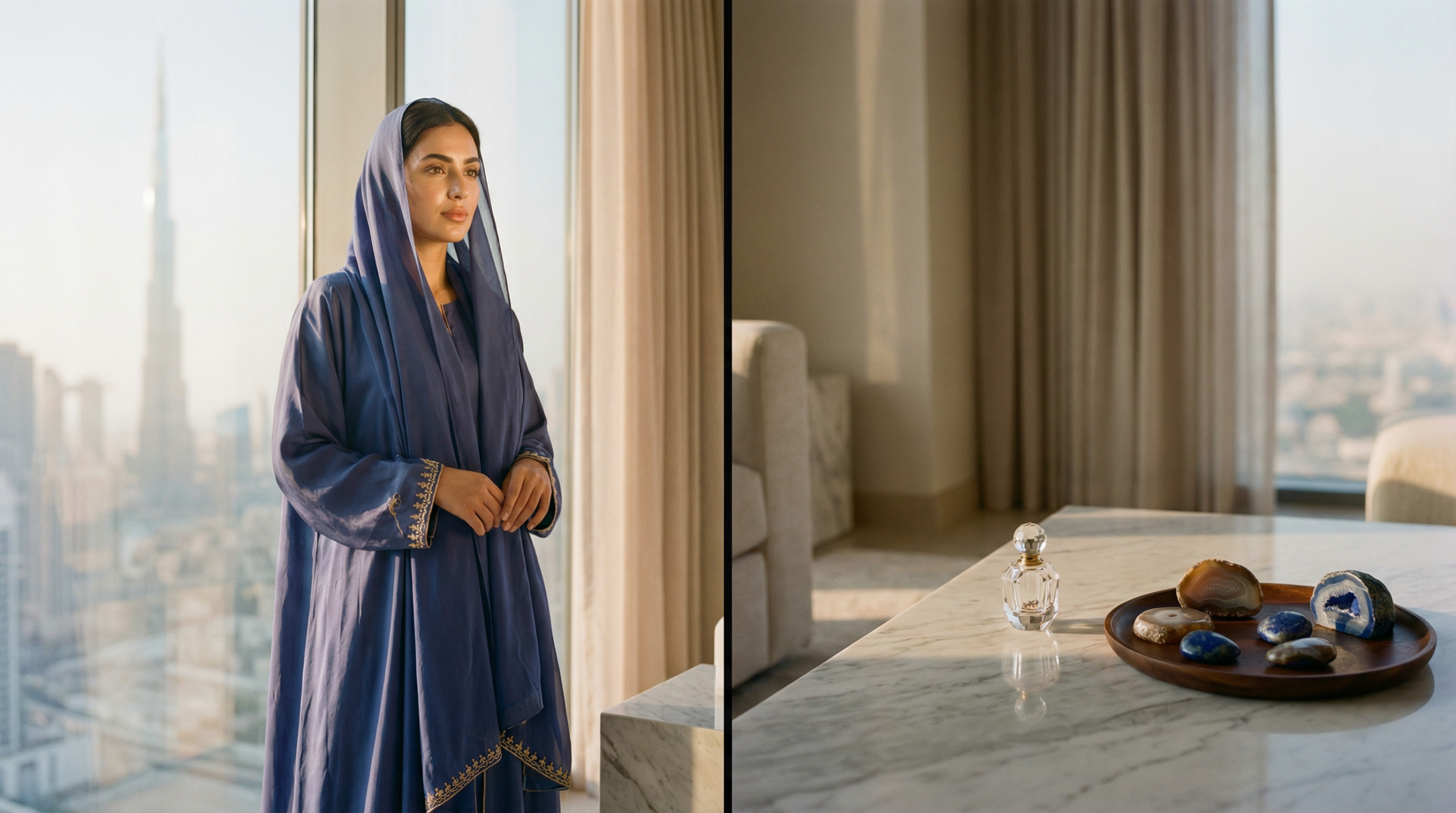

The luxury modest fashion and perfumery landscape in the GCC has undergone a profound transformation. Behind every exquisite abaya and precious fragrance lies a story of sustainability, craftsmanship, and cultural heritage that deserves to be told. Understanding these origins enriches the appreciation of these cherished pieces.
The Soul of the Desert: Unearthing Sustainable Oud for Future Fragrances
Oud, the liquid gold of Arabian perfumery, begins its journey in the heartwood of Aquilaria trees. Traditional harvesting methods often devastated wild populations, pushing this precious resource toward endangerment. Today’s ethical practices tell a different story.
Sustainable oud cultivation in 2026 involves carefully managed plantations where trees are inoculated with specific fungi under controlled conditions. This process, which can take eight to fifteen years, produces the resinous heartwood naturally without harming wild ecosystems. Certified sustainable farms now track each tree’s lifecycle, ensuring transparency from sapling to distillation.
The distillation process itself has evolved. Traditional copper stills remain, but modern sustainable facilities capture and reuse water, minimize waste, and operate on renewable energy. Master distillers monitor temperature and pressure with precision, extracting the complex aromatic compounds that make oud irreplaceable in Arabian perfumery.
Ethical sourcing extends beyond environmental concerns. Fair compensation for plantation workers and distillers ensures that traditional knowledge passes to younger generations while communities thrive economically.
Whispers of the Souq: The Artistry of Silk in Modest Arabic Design 2026
Silk’s journey from cocoon to couture represents one of fashion’s most delicate transformations. For modest fashion in the GCC, silk offers the perfect balance of coverage, elegance, and breathability essential for the region’s climate.
Peace silk, also known as Ahimsa silk, has gained prominence among ethical designers. Unlike conventional silk production, this method allows moths to complete their natural lifecycle before cocoons are harvested. The resulting fabric maintains silk’s lustrous quality while honoring principles of compassion central to Islamic values.
Contemporary silk production for modest fashion incorporates innovative dyeing techniques using natural plant-based pigments. Indigo, pomegranate rind, and saffron create rich, earthy tones that resonate with traditional Arabian aesthetics while avoiding harmful chemical processes.
The weight and weave of silk matter immensely for modest garments. Heavier silk crepes and satin weaves provide the opacity and drape necessary for full-coverage designs, while lighter silks layer beautifully for scarves and overlays. Artisans in 2026 blend traditional handloom techniques with modern quality controls to produce fabrics worthy of luxury modest fashion.
Beyond Raw Materials: The Craft of Gemstone-Infused Perfumes and Ethical Sourcing
The ancient practice of infusing perfumes with gemstones has experienced a renaissance in Arabian perfumery. This traditional technique involves placing carefully selected gemstones in fragrance vessels, believed to enhance energetic properties and refine aromatic profiles over time.
Ethical sourcing of gemstones follows strict protocols. Traceable mining operations, fair labor practices, and environmental restoration programs ensure that rose quartz, amethyst, and precious stones reach perfumers without exploitation. Gemstone selection considers not only aesthetic and spiritual significance but also the mining operation’s social impact.
Combining sustainable oud with gemstone infusion creates fragrances that honor tradition while embracing conscious luxury. The slow infusion process—sometimes lasting months—allows the gemstone’s mineral composition to subtly interact with the fragrance’s molecular structure, producing unique aromatic signatures.
Perfumers in 2026 document each stone’s origin, creating provenance stories that add depth to the fragrance experience. This transparency allows consumers to understand the complete journey of their chosen scent.
From Heritage to Horizon: How Sustainability is Redefining Luxury in the GCC
The GCC luxury market in 2026 has redefined opulence to include ethical considerations. Discerning consumers increasingly seek products that reflect both cultural heritage and environmental responsibility. This shift represents not a trend but a fundamental evolution in values.
Traditional craftsmanship gains new relevance when paired with sustainable practices. Hand-embroidery, natural dyeing, and artisanal perfume blending become markers of authenticity and quality. The time invested in creating sustainable products enhances rather than diminishes their luxury status.
Certification programs specific to the region verify sustainability claims, protecting consumers from greenwashing. These standards address everything from water usage in silk production to carbon footprints in oud distillation.
The Fusion of Tradition and Innovation: A Glimpse into Modest Fashion’s Future
Innovation in modest fashion and perfumery doesn’t mean abandoning tradition—it means honoring it with modern consciousness. Advanced sustainable practices protect the raw materials that make Arabian luxury distinctive while ensuring these crafts endure for future generations.
Technology plays a supporting role. Blockchain tracking verifies supply chains, while AI-assisted design optimizes fabric usage to minimize waste without compromising the flowing silhouettes central to modest fashion. These tools serve tradition rather than replace it.
The future of luxury in the GCC lies in this balanced approach: reverence for cultural heritage coupled with commitment to sustainable practices that ensure these traditions remain viable, ethical, and genuinely luxurious.