
No products added!
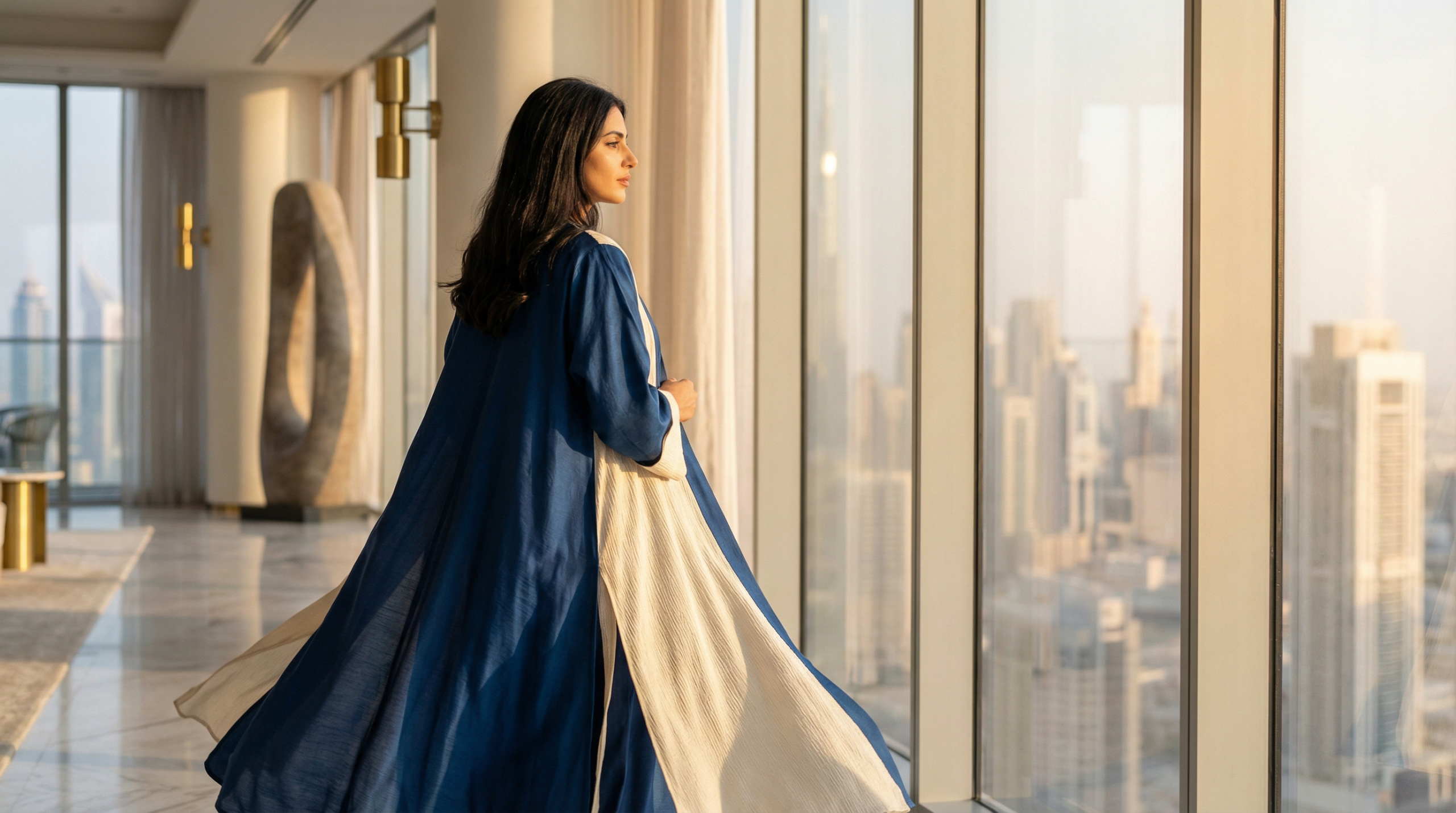

The Essence of Abaya Fabrics: Beyond the Surface
The choice of fabric transforms an abaya from a simple garment into a statement of refined taste and cultural identity. In 2026’s evolving modest fashion landscape, understanding the distinction between investment-worthy materials and trend-driven options has become essential for the discerning wardrobe.
Quality fabric speaks through its weight, drape, and how it responds to the GCC’s demanding climate. The right material maintains its dignity through multiple wears, resists the harsh effects of sun exposure, and moves with natural grace. This knowledge empowers you to build a wardrobe that honors both tradition and personal expression.
Investment Abaya Fabrics: Timeless Elegance and Longevity
Natural silk remains the pinnacle of investment abaya fabrics. Crepe de chine and duchess satin offer exceptional breathability while maintaining structure through countless wears. These materials develop a beautiful patina over time rather than showing wear, making them worthy of their higher price point.
Fine wool blends, particularly those incorporating silk or cashmere, provide year-round versatility rarely found in synthetic alternatives. Despite common misconceptions about wool in warm climates, lightweight merino and tropical wool blends offer superior temperature regulation and moisture management.
Premium crepe fabrics deserve special attention for their exceptional durability. Quality crepe maintains its texture without pilling, resists wrinkles during travel, and requires minimal maintenance. The subtle texture adds visual interest while remaining appropriate for both formal occasions and daily wear.
Double-weave fabrics represent another investment category worth considering. These materials feature two layers woven together, creating density without bulk. This construction technique provides opacity, drape, and longevity that single-layer fabrics simply cannot match.
Trendy Abaya Fabrics for 2026: Embracing Modernity
The 2026 season brings renewed interest in innovative synthetic blends that offer specific aesthetic qualities. Metallic-threaded polyester creates dramatic evening pieces with eye-catching shimmer, while structured jacquard weaves provide bold textural statements perfect for special occasions.
Sustainable fabric innovations are shaping trendy choices this year. Recycled polyester blends and plant-based alternatives like bamboo-viscose offer conscious consumers fashionable options aligned with environmental values. These materials often come at accessible price points while delivering contemporary aesthetics.
Chiffon and georgette overlays continue trending for their ethereal quality and layering potential. While these delicate fabrics may not withstand daily wear for years, they serve beautifully for seasonal rotation and special events.
Embellished fabrics featuring laser-cut patterns, digital prints, or appliqué work define 2026’s trend cycle. These statement pieces embrace current fashion moments rather than timeless versatility, making them ideal candidates for modest budgets and experimental style choices.
The Discerning Eye: How to Identify Quality and Value
Weave density reveals fabric quality more reliably than any label. Hold fabric to natural light—premium materials show consistent, tight weaving without thin spots or irregularities. This density directly correlates with longevity and shape retention.
Test drape by gathering fabric in your hand and releasing it. Quality materials fall into elegant folds and recover quickly without excessive wrinkling. Inferior fabrics remain crumpled or hang limply without structure.
Examine fabric edges and selvages for finishing quality. Investment pieces feature clean, tightly woven edges that resist fraying. The hand-feel should be smooth without roughness or chemical coating sensations that indicate excessive processing.
Color fastness matters significantly in the intense GCC sun. Rub white fabric against the material—any color transfer suggests dye quality issues that will manifest as fading over time.
Care and Longevity: Maximizing Your Abaya Investment
Natural fiber investment pieces require specific care approaches that extend their lifespan considerably. Professional cleaning preserves silk and wool integrity better than home laundering, though proper hand-washing techniques work for maintenance between professional cleanings.
Store investment abayas in breathable garment bags away from direct sunlight. Cedar sachets protect wool blends from moths without chemical odors, while acid-free tissue paper prevents creasing in long-term storage.
Trendy synthetic pieces often tolerate more casual care routines. However, avoiding high-heat drying and using gentle cycle settings prevents premature deterioration even in budget-friendly garments.
Rotate pieces regularly rather than wearing favorites repeatedly. This practice allows fabrics to rest and recover between wears, significantly extending the life of both investment and trendy abayas.
Final Reflection
Building a sophisticated abaya wardrobe balances investment in timeless, high-quality natural fabrics with selective incorporation of trend-driven pieces. Investment fabrics like silk, fine wool blends, and premium crepe provide the foundation—garments that serve beautifully across years and occasions. Trendy options add contemporary flair and allow creative expression without significant financial commitment.
The key lies in honest assessment of your lifestyle and wearing patterns. A carefully chosen investment piece worn regularly offers better value than multiple trendy purchases relegated to occasional use. By understanding fabric properties, quality indicators, and proper care, you can make informed decisions that honor both your budget and your personal style journey in modest fashion.