

No products added!
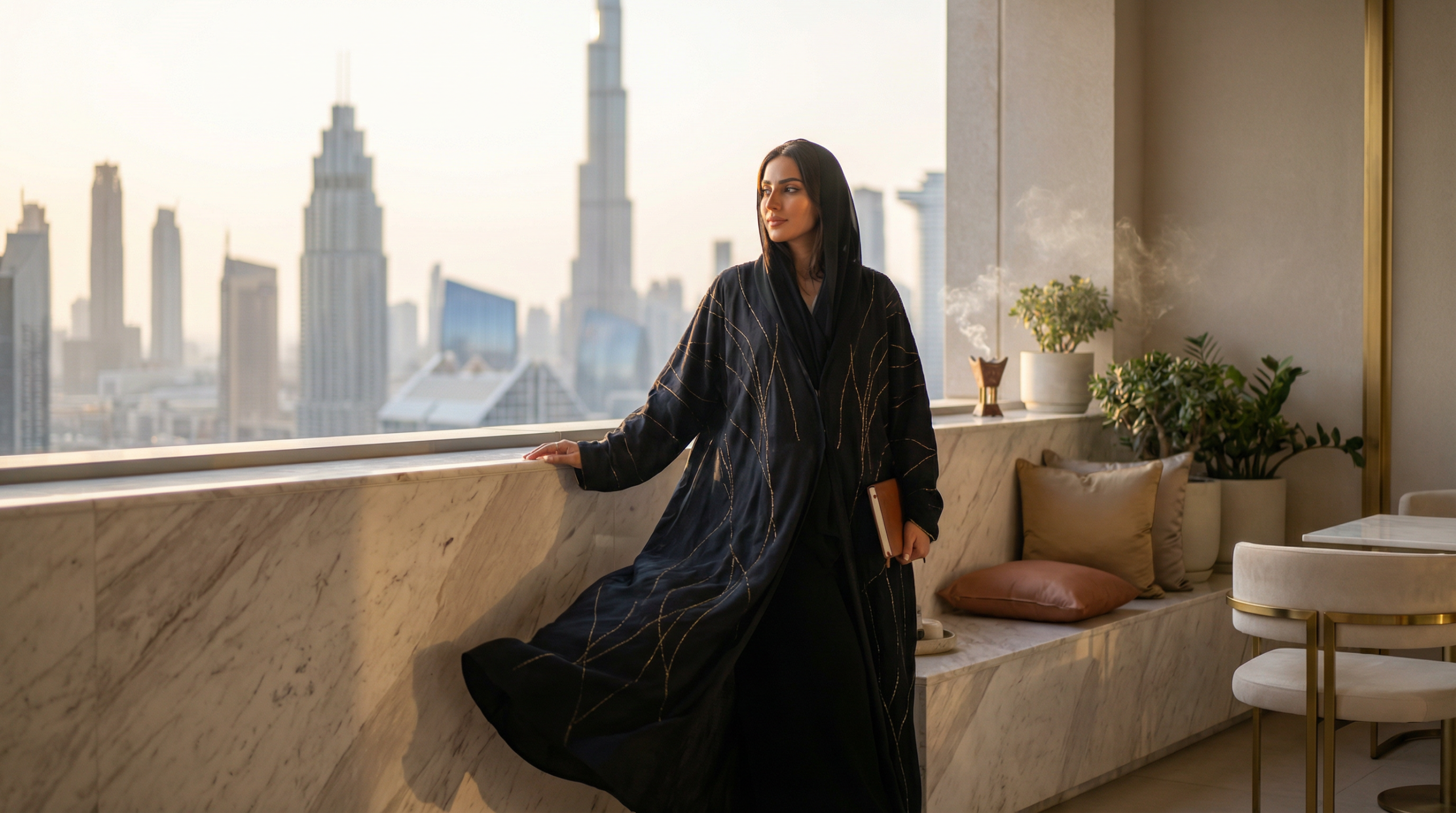

The world of modest fashion in the GCC has evolved into a sophisticated art form, and nowhere is this more evident than in the practice of abaya scenting. While social media showcases endless bottles and sprays, the true techniques that create those memorable, lingering fragrances remain largely unspoken. These are the practices perfected through generations, combined with modern expertise that transforms a simple garment into a signature statement.
The Art of Abaya Fragrance: More Than Just a Spray
Direct perfume application to skin differs fundamentally from fabric scenting. When fragrance meets fabric, it creates an entirely different aromatic experience. The goal isn’t merely to smell pleasant, but to create an invisible aura that moves with you throughout the day.
Traditional bakhoor smoking remains the foundation of abaya scenting in Gulf homes. This ancient practice doesn’t just add fragrance—it purifies the fabric while embedding scent molecules deep into the fibers. The smoke method allows for even distribution and creates a base layer that holds other fragrances more effectively.
The timing matters significantly. Scenting an abaya while it’s slightly warm, perhaps after steaming or light ironing, opens the fabric’s weave and allows better fragrance absorption. This simple technique, practiced in countless GCC households, makes the difference between surface-level scent and deep-seated fragrance.
Layering Luxury: Crafting Your Signature Abaya Scent Profile
The concept of fragrance layering applies brilliantly to abaya scenting. Start with concentrated perfume oils applied to specific areas—the inside of sleeves, the interior hem, and along the shoulders where body heat naturally projects scent.
Following oil application, a complementary fabric mist creates dimension. Choose formulations designed specifically for textiles rather than personal perfumes, as these contain ingredients that bond with fabric without leaving stains or damage.
The final layer involves ambient scenting through bakhoor or incense just before wearing. This creates what experts call the “scent envelope”—a complex, multi-layered fragrance profile that reveals different notes throughout the day as you move and as body heat activates various layers.
Beyond Perfume Bottles: Unconventional Scenting Techniques
Wardrobe sachets filled with traditional ingredients like dried roses, saffron threads, and sandalwood chips provide continuous, subtle scenting. Place these between folded abayas in storage, allowing the natural oils to permeate fabrics over time.
Cotton pads saturated with perfume oils and tucked into garment bags create concentrated scent pockets. This method works particularly well for occasional-wear abayas, ensuring they emerge from storage fully fragranced and ready to wear.
Steam scenting represents a modern approach gaining traction in 2026. Hang your abaya in a bathroom during a hot shower after adding a few drops of fragrance oil to the floor. The steam carries scent molecules evenly across the entire garment without direct contact.
Maintaining Modesty & Aura: Fragrance Longevity Hacks for Abayas
Proper airing between wears extends both the life of your abaya and its scent. Hanging garments in a well-ventilated area allows fabrics to breathe while preventing fragrance from becoming stale or overwhelming.
Storage in breathable garment bags, rather than plastic, maintains scent integrity. Natural fibers like cotton allow air circulation while protecting from dust and preserving the fragrance profile you’ve carefully created.
Rotation proves essential. Fashion experts recommend having several abayas in rotation, allowing each to rest for at least two days between wears. This practice prevents fragrance fatigue and maintains the freshness of your scenting efforts.
Understanding Fabric & Scent Interaction: A Masterclass for Your Abaya
Silk and satin hold fragrance beautifully but require gentle scenting methods. These delicate fabrics respond best to light misting from a distance or indirect bakhoor smoking.
Crepe and georgette fabrics, popular in contemporary abaya design, have textured surfaces that trap scent molecules effectively. These materials handle direct oil application well, particularly along interior seams.
Heavier fabrics like wool-blend or structured cotton require stronger scenting techniques. These materials benefit from extended bakhoor sessions and can handle more concentrated perfume oils without overwhelming the wearer.
The Cultural Significance: Scent and Identity in GCC Modest Fashion
In Gulf culture, personal fragrance extends beyond individual preference to become a form of silent communication and cultural expression. The way an abaya carries scent reflects attention to detail and respect for tradition.
Seasonal scenting practices align with climate realities. Winter months in the GCC allow for richer, heavier fragrances like oud and amber, while summer calls for lighter, fresher compositions that won’t overwhelm in heat.
Key Takeaways for Your Abaya Scenting Journey
Mastering abaya scenting requires understanding the interplay between fabric, fragrance, and traditional practices. Begin with quality fabrics that hold scent well, experiment with layering techniques that suit your lifestyle, and embrace both traditional methods like bakhoor and modern approaches like strategic oil placement. The goal remains creating a personal signature that honors cultural heritage while expressing individual elegance. Start with one or two techniques, observe how your abayas respond, and gradually build your own fragrance rituals that make each wearing experience truly distinctive.
