

No products added!
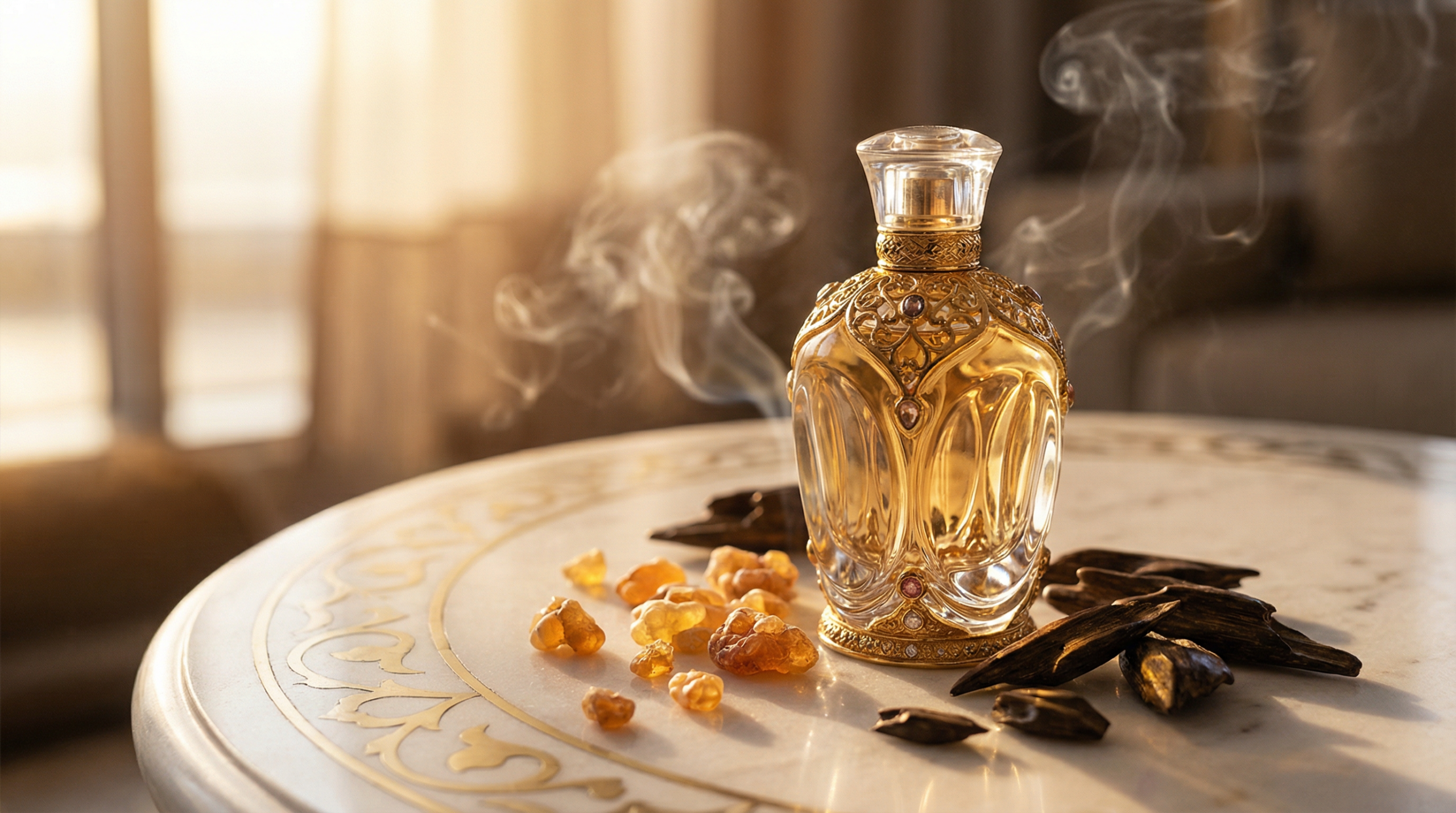

The world of luxury perfumery has always been a treasure hunt. But in 2026, as conscious consumers demand both opulence and authenticity, the journey to find truly exceptional ingredients has transformed into something far more profound than mere procurement. For women across the UAE and GCC who understand that fragrance is an extension of personal identity, the story behind each precious drop matters as much as the scent itself.
The Allure of the Unseen: Why Rare Ingredients Matter in Luxury Perfumery 2026
Like fine wine draws character from specific vineyards, exceptional perfumes carry the essence of their origins. This concept of terroir in fragrance means that Taif roses cultivated in Saudi Arabia’s mountain air possess an entirely different personality than roses grown elsewhere. The same applies to Indonesian oud, where soil composition, altitude, and traditional harvesting methods create aromatic signatures that cannot be replicated in laboratories.
The rarity of these ingredients extends beyond scarcity. It encompasses the accumulated wisdom of generations who have perfected extraction techniques, the unique microclimates that nurture specific botanicals, and the fleeting windows of harvest when ingredients reach peak potency. When Damascena roses bloom for just three weeks each spring, perfumers must act with precision to capture their ethereal essence.
This pursuit of authenticity resonates deeply with fashion-conscious women who approach both fragrance and modest fashion as expressions of cultural pride and personal sophistication.
From Distant Lands to Dubai’s Dressing Tables: The Art of Sourcing Responsibility
The romantic notion of ingredient hunting now carries weighty ethical considerations. Cambodian oud forests face depletion. Sandalwood trees require decades to mature. Natural ambergris remains controversial despite its oceanic origins.
Forward-thinking perfume houses in 2026 have embraced transparent supply chains that honor both tradition and sustainability. Ethical sourcing partnerships with indigenous communities ensure fair compensation while preserving ancestral knowledge. Innovative cultivation programs plant tomorrow’s agarwood forests while protecting today’s remaining wild stands.
Technology plays an unexpected role here. Blockchain verification systems now allow perfume enthusiasts to trace ingredient journeys from harvest to bottle. DNA analysis confirms the authentic origins of precious materials, combating the counterfeit market that has long plagued luxury fragrances.
For discerning consumers, these ethical practices add depth to their perfume choices, aligning personal values with aesthetic preferences.
When Heritage Meets Innovation: Crafting the Future of Arabic Perfumes
Traditional Arabic perfumery has always understood what modern perfumers are rediscovering: that the most profound scents require patience and respect for ingredients. The centuries-old art of creating attar through hydro-distillation yields concentrated essences that modern synthetic processes cannot match.
Bakhoor burning, deeply woven into Gulf social traditions, continues to influence contemporary perfume compositions. The warm, resinous notes of frankincense and myrrh that perfume homes and garments carry forward into personal fragrances, creating olfactory continuity between public and private spaces.
In 2026, master perfumers blend these time-honored ingredients with newly accessible rare materials. Artisanal producers are rediscovering regional botanicals—desert flowers that bloom after rare rains, coastal plants shaped by Arabian Gulf breezes, mountain herbs found only at specific elevations. These hyper-local ingredients create fragrances with genuine cultural resonance.
Advanced extraction methods like supercritical CO2 processing now capture delicate nuances previously lost in traditional distillation, revealing new facets of familiar ingredients.
Beyond the Bottle: The Cultural Tapestry of Scent and Modest Fashion
For women who embrace modest fashion as both spiritual practice and style statement, perfume serves as an invisible accessory that completes their presentation. The choice of fragrance becomes an intimate form of self-expression, perceptible in close quarters yet maintaining the discretion that modest dressing honors.
Layering perfumes mirrors the thoughtful layering of modest garments. A base of oud might provide depth like a well-cut abaya, while lighter florals add personality as jewelry and accessories do. This approach to fragrance wardrobe building reflects the same intentionality applied to fashion choices.
The most compelling luxury perfumes of 2026 tell stories that resonate with cultural heritage while speaking to contemporary lifestyles. They honor tradition without feeling dated, embrace luxury without ostentation.
Sustainability in Bloom: Protecting the Future of Fragrant Treasures
The greatest challenge facing luxury perfumery is ensuring that today’s rare ingredients remain available for future generations. Conservation initiatives in 2026 have moved beyond lip service to concrete action. Perfume industry partnerships fund habitat restoration, support traditional growers transitioning to organic methods, and invest in botanical research.
Biotechnology offers intriguing possibilities without replacing natural ingredients entirely. Cell culture methods can produce certain floral absolutes with minimal environmental impact, reserving wild-harvested materials for compositions where their complexity truly shines.
Looking Forward
Understanding the intricate journey from soil to scent deepens appreciation for luxury perfumery. As you select fragrances that speak to your identity, consider the hands that harvested rare blooms, the traditions preserved through ethical sourcing, and the cultural narratives woven into each composition. The soul of a scent lies not just in its aroma, but in the values and stories it carries from distant lands to your daily life.
