

No products added!
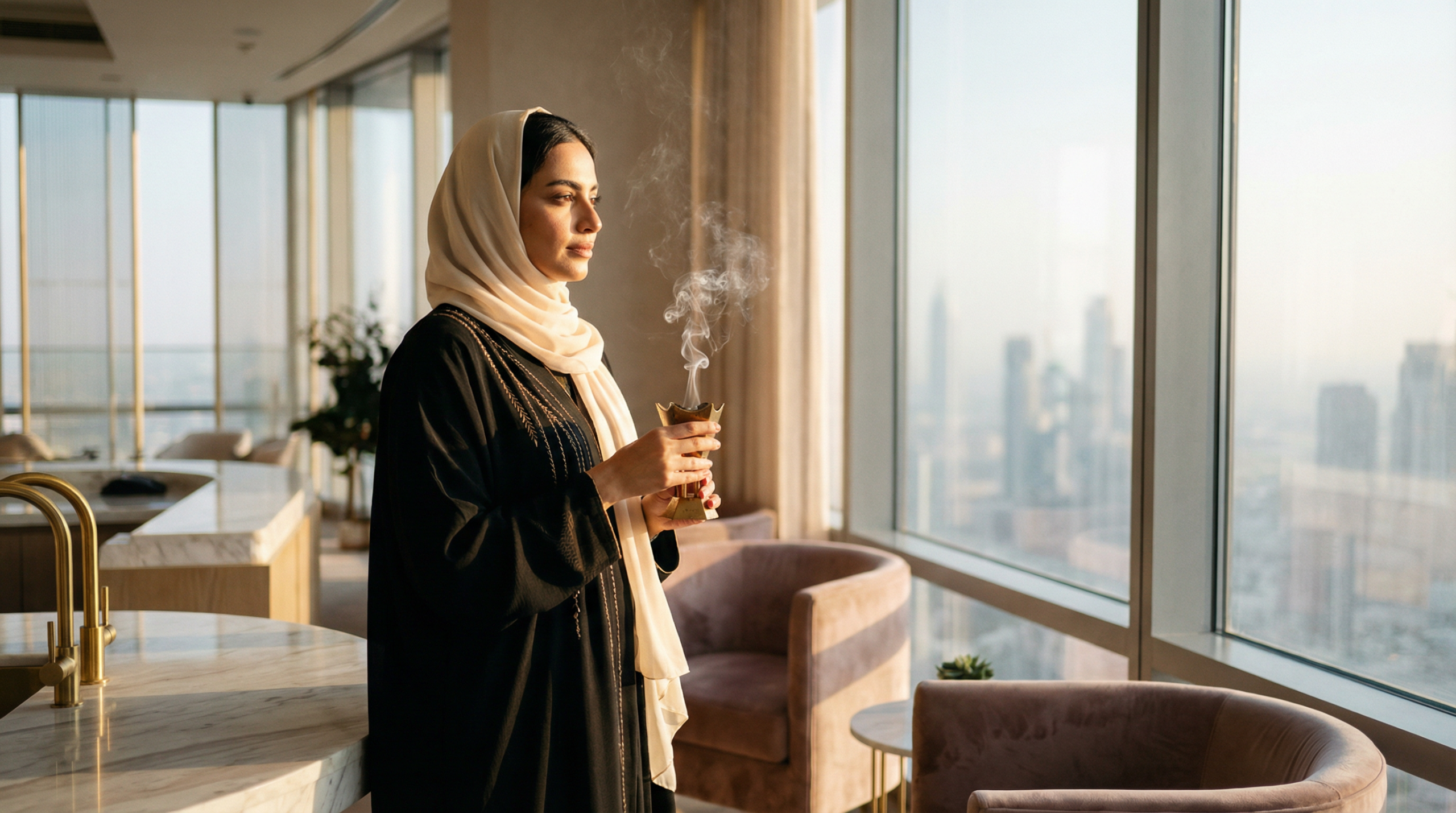

The Enduring Legacy of Scent: A Journey Through Gulf History
For centuries, the Arabian Peninsula has maintained an unbreakable bond with fragrance that transcends mere personal adornment. This relationship runs deep through the region’s spiritual practices, social customs, and daily rituals. From the frankincense trails of ancient trade routes to the private quarters of modern homes, scent has served as a bridge between the earthly and the divine.
Long before modern perfumery emerged, Gulf societies understood fragrance as a language of intention and blessing. Homes were purified with sacred smoke, guests were honored with precious oils, and special occasions were marked by the careful selection of aromatic woods. These weren’t superficial practices but deeply meaningful rituals that shaped community bonds and spiritual life.
As we enter 2026, there’s profound wisdom in reconnecting with these time-honored traditions. The ancient rituals carry relevance that modern life often overlooks—the power of intentional practice, the importance of sensory mindfulness, and the cultivation of sacred space within our daily routines.
Beyond Fragrance: The Spiritual & Wellness Dimensions of Ancient Scent Rituals
The traditional Gulf approach to scent extended far beyond pleasant aromas. These rituals were understood as pathways to purification, protection, and the invitation of barakah (blessings) into one’s life and home. The deliberate act of burning incense or applying precious oils became a form of meditation and spiritual preparation.
Ancient practitioners recognized what modern wellness advocates are rediscovering: scent profoundly affects our psychological and emotional states. The ritual act itself—the careful preparation, the mindful application, the conscious intention—creates moments of presence in otherwise hurried days.
For women in the Gulf region, these practices also represented sophisticated forms of self-care and personal refinement. The knowledge of which resins to blend, when to apply specific attars, and how to layer fragrances was passed down through generations as valuable wisdom worthy of preservation.
Five Timeless Gulf Scent Rituals to Embrace for 2026
Tabkheer Al-Bait remains the most fundamental practice—the ritual incensing of one’s home. Traditionally performed on Thursday evenings and before special occasions, this involves burning pure oud chips or frankincense resin to cleanse the living space. The smoke is guided through rooms with intentional movements, carrying prayers and positive intentions throughout the household.
Dukhoon Al-Thiyab transforms ordinary garments into ceremonial attire. This practice involves placing clothing over a traditional mabkhara (incense burner) to infuse fabrics with fragrant smoke. For modern modest fashion enthusiasts, this ritual adds an invisible layer of luxury to abayas and sheilas, creating a personal scent signature that moves gracefully with the wearer.
Attar Application with Niyyah elevates perfume from accessory to spiritual practice. Traditional application involves placing pure attar oils on pulse points while setting conscious intentions for the day ahead. The act becomes a morning meditation, grounding oneself before engaging with the world.
Luban for Clarity utilizes frankincense resin specifically for mental focus and spiritual clarity. Burning luban during prayer times or meditation creates an atmosphere conducive to contemplation. Many Gulf women maintain this practice during Ramadan preparation or before important decisions.
Seasonal Scent Transitions acknowledge that different times of year call for different aromatic energies. Winter months traditionally favor warmer, resinous scents like amber and aged oud, while lighter preparations appear in warmer seasons. This cyclical approach keeps us attuned to natural rhythms.
Modern Modesty Meets Ancient Aromas: Integrating Traditions into Daily Life
Contemporary life in the UAE and wider GCC region offers unique opportunities to blend ancient wisdom with modern elegance. Many fashion-conscious women find that traditional scent rituals complement their modest fashion choices beautifully, adding depth and personal meaning to their presentation.
The key lies in approaching these practices with genuine respect and curiosity rather than treating them as exotic trends. Start small—perhaps with a simple incense ritual on Friday mornings or the application of a single traditional attar. Allow the practice to develop naturally, noticing how it affects your mood and daily rhythm.
Quality matters significantly in traditional practices. Seek out genuine oud chips rather than synthetic substitutes, pure frankincense tears, and traditionally prepared attars. The authentic materials carry the energetic signature that made these rituals meaningful for generations.
Curating Your 2026 Scent Story: Tips for Authentic Revival
Begin by researching the specific traditions of your heritage or the region where you live. Each Gulf country maintains subtle variations in scent practices, and understanding these nuances adds authenticity to your personal ritual.
Create dedicated moments rather than rushing through applications. The power of these rituals emerges from mindful practice, not hasty execution. Even five intentional minutes of incense burning while setting morning intentions proves more valuable than elaborate but distracted ceremonies.
Document your journey with these ancient practices. Notice which scents resonate during different seasons or life transitions. Pay attention to how the rituals affect your sense of groundedness, your connection to cultural heritage, and your overall well-being.
Key Takeaways for Your Scent Journey
Ancient Gulf scent rituals offer more than historical curiosity—they provide practical pathways to mindfulness, cultural connection, and personal blessing in 2026. By approaching these traditions with respect and intentionality, modern women can access timeless wisdom while honoring their heritage. Start with one simple practice, invest in quality natural materials, and allow the ritual to unfold at its own pace. The blessings emerge not from perfect execution but from sincere engagement with practices that have enriched lives for countless generations.
