
No products added!
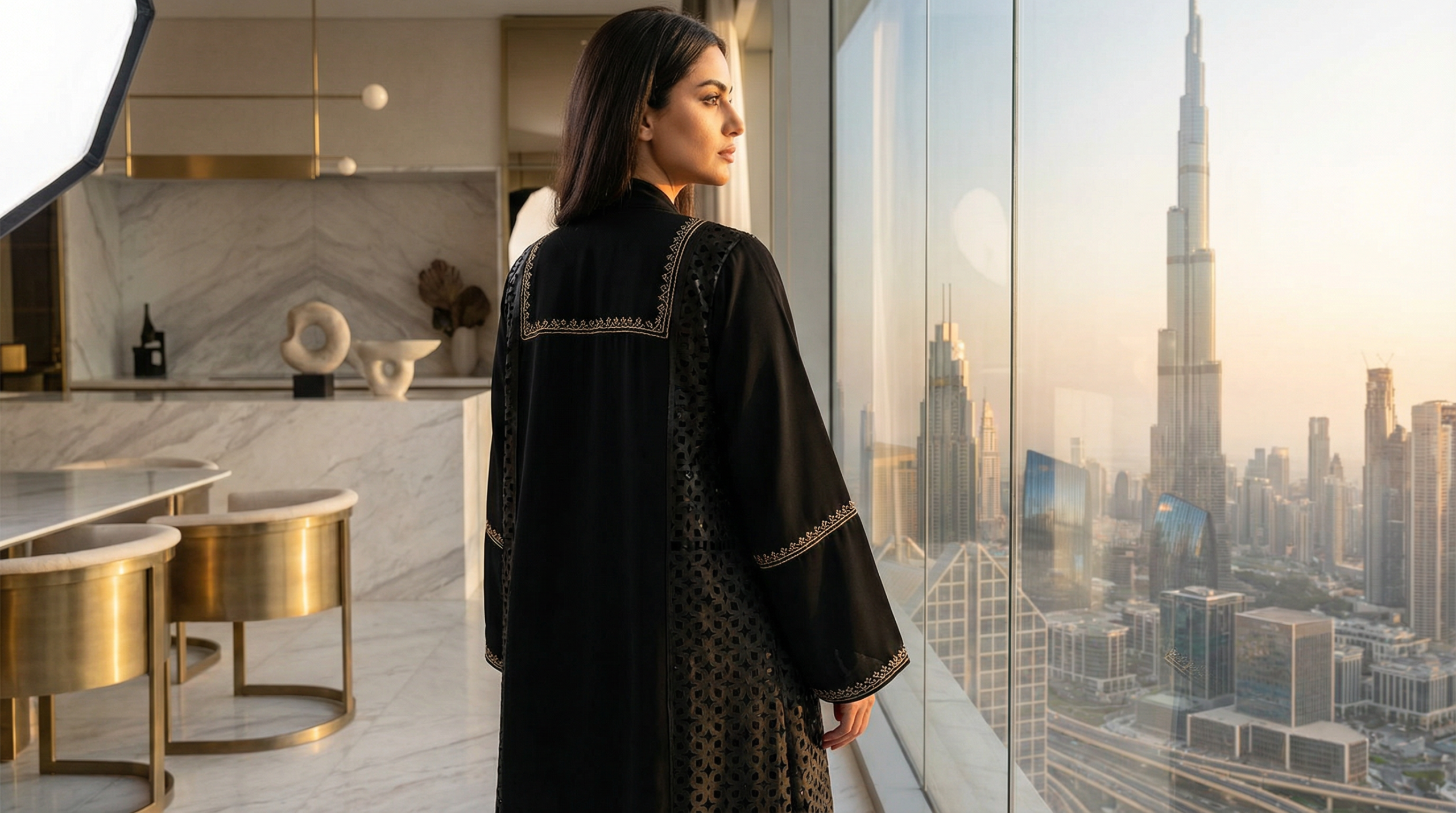

The Nexus of Modesty and Innovation: Dubai’s Influence on Abaya Trends
Dubai has solidified its position as a global fashion capital where East meets West, tradition embraces innovation, and modest fashion takes center stage on international runways. The city’s fashion landscape continues to shape how Muslim women across the GCC region express their personal style while honoring cultural values.
Major fashion events in Dubai have become bellwethers for upcoming trends, offering insights into what fashion-conscious women will be wearing during significant occasions like Ramadan. These platforms showcase how designers are reimagining the abaya—transforming it from a simple garment into a canvas for artistic expression and technical innovation.
Decoding the ‘Runway to Ramadan’ Aesthetic: What the 2026 Expo Reveals
The fashion exhibitions anticipated in Dubai throughout 2026 signal a pivotal shift in modest fashion. Designers are moving away from mass-produced basics toward pieces that tell stories, incorporate cutting-edge sustainability practices, and honor regional heritage through contemporary interpretation.
This year’s trends reflect a maturing market where discerning consumers demand both aesthetic excellence and ethical production. The emphasis has shifted toward investment pieces that transcend seasonal trends while remaining deeply rooted in cultural authenticity.
Trend Spotlight 1: Architectural Silhouettes and Sustainable Fabrics
Structured designs featuring clean lines and geometric cuts are defining the 2026 abaya landscape. Think sharp shoulders, asymmetric hemlines, and innovative draping techniques that create visual interest while maintaining full coverage.
Sustainability has evolved from buzzword to baseline expectation. Designers are incorporating organic cotton, Tencel, and recycled polyester without compromising on the luxurious hand-feel that GCC consumers expect. These eco-conscious fabrics offer superior breathability—essential for the extended prayer times and iftar gatherings that characterize Ramadan.
Trend Spotlight 2: Elevated Embroidery and Artisanal Embellishments
Handcrafted details are experiencing a renaissance. Intricate embroidery work, particularly on cuffs, necklines, and back panels, adds subtle opulence to otherwise minimalist designs. Expect to see traditional techniques like zardozi and gota patti reimagined with contemporary color palettes.
The focus on artisanal craftsmanship reflects a deeper appreciation for slow fashion and the preservation of heritage skills. These embellishments transform abayas into wearable art, suitable for Taraweeh prayers and elegant enough for suhoor gatherings with family.
Trend Spotlight 3: The Art of Layering and Transformative Abayas
Versatility has become paramount. The 2026 trend toward transformative designs includes abayas with detachable sleeves, reversible fabrics, and convertible styling options that transition seamlessly from day to evening.
Layering pieces—lightweight kimono-style abayas worn over contrasting underpinnings, or abayas with built-in capes—offer multiple styling possibilities. This approach aligns perfectly with the varied activities of Ramadan, from afternoon charity work to elegant evening iftars.
Trend Spotlight 4: Modern Interpretations of Traditional Motifs
Cultural heritage is being celebrated through fresh eyes. Traditional Islamic geometric patterns, calligraphy, and arabesque designs are appearing in unexpected applications—laser-cut panels, tonal embossing, or as subtle lining details visible only in movement.
These modern interpretations honor regional identity while appealing to younger generations seeking connection to their roots. The key is restraint: patterns are incorporated as accent details rather than overwhelming the entire garment, maintaining the elegance inherent to modest fashion.
Trend Spotlight 5: Curated Comfort – Luxury in Everyday Wear
The boundaries between occasional and everyday abayas are blurring. Designs now prioritize comfort without sacrificing sophistication, featuring soft jersey fabrics, ergonomic cuts, and thoughtful details like hidden pockets and adjustable closures.
This trend acknowledges the reality of modern Muslim women’s lives—balancing professional responsibilities, family commitments, and spiritual practices during Ramadan. Luxury now means garments that support rather than constrain daily activities.
Integrating 2026 Trends into Your Ramadan Wardrobe
Building a Ramadan wardrobe around these trends requires thoughtful curation. Start by assessing your lifestyle needs: How many formal iftars will you attend? What activities fill your typical Ramadan day?
Invest in one or two statement pieces featuring artisanal embellishments for special occasions. Balance these with versatile, transformable designs that serve multiple purposes. Prioritize quality sustainable fabrics that will withstand repeated wear throughout the holy month and beyond.
Consider how trends complement your existing wardrobe rather than replacing it entirely. A single architectural-cut abaya in a neutral tone can be styled multiple ways with different hijabs and accessories, creating numerous looks from one investment piece.
The beauty of these 2026 trends lies in their respect for individual expression within cultural frameworks. Whether you gravitate toward bold geometric patterns or prefer subtle embroidered details, these directions offer pathways to refresh your modest wardrobe authentically. Focus on pieces that resonate with your personal aesthetic while serving the practical and spiritual dimensions of Ramadan observance.