
No products added!
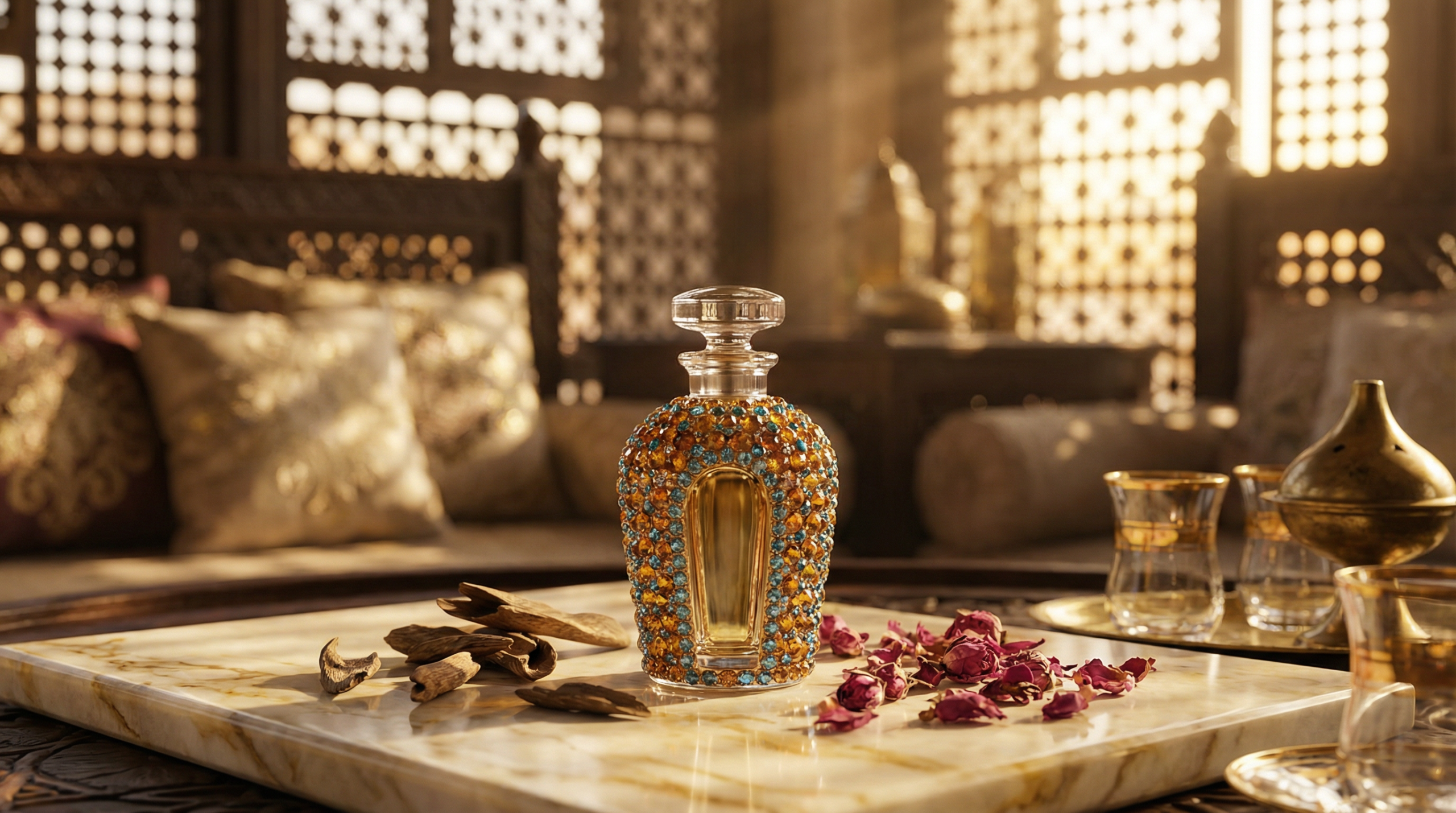

The air at Quoz Arts Fest 2026 tells a thousand stories. Between the visual installations and sonic performances, there exists an invisible thread connecting attendees to centuries of Arabian heritage—fragrance. For the fashion-conscious woman navigating the intersection of tradition and modernity, understanding the cultural weight of perfumery transforms a simple festival visit into a journey through time.
The Cultural Tapestry of Scent in the GCC
Perfumery in the Middle East transcends mere aesthetics. For millennia, fragrance has served as a spiritual conduit, a gesture of hospitality, and a marker of social grace. Ancient trade routes brought precious ingredients like frankincense and myrrh through the Arabian Peninsula, establishing the region as the epicenter of olfactory artistry.
In traditional Gulf homes, the ritual of bakhoor—burning aromatic wood chips—welcomes guests and sanctifies spaces. This practice reflects a deeper philosophy: scent creates atmosphere, memory, and connection. When attending cultural events like Quoz Arts Fest, the fragrances worn by attendees become part of the collective sensory experience, weaving individual stories into the festival’s broader narrative.
The act of perfuming oneself before social gatherings carries religious significance as well. Islamic tradition encourages cleanliness and pleasant fragrance, particularly for communal prayer and celebrations. This cultural foundation makes perfume selection a thoughtful practice rather than a superficial choice.
Fragrance as Identity: Connecting with Quoz Arts Fest through Aroma
Contemporary art festivals provide unexpected platforms for fragrance appreciation. Quoz Arts Fest, with its emphasis on multisensory experiences, naturally complements the Arabian perfumery tradition. The industrial aesthetic of the Alserkal Avenue district contrasts beautifully with the ancient luxury of traditional scents, creating dialogue between past and present.
Choosing a fragrance for such events becomes an extension of personal curation. Just as one selects an outfit that balances modesty with individual style, perfume selection communicates cultural awareness and personal narrative. The scent lingering in a gallery space or performance venue becomes part of the artistic conversation.
For women navigating the festival’s diverse programming—from contemporary installations to traditional performances—fragrance serves as an anchor to cultural identity. It whispers heritage in spaces embracing innovation.
Decoding the Palette: Key Notes in Middle Eastern Perfumery
Understanding foundational fragrance notes empowers informed choices. Oud, the resinous heartwood of aquilaria trees, reigns supreme in Arabian perfumery. Its deep, woody character carries associations with luxury, spirituality, and timelessness. Authentic oud ages like fine wine, developing complexity over years.
Amber brings warmth and sweetness, often blended with vanilla and benzoin to create enveloping, comforting compositions. This note particularly suits evening events where deeper, more mysterious fragrances shine. Rose—specifically Taif rose from the mountains of Saudi Arabia—adds romantic elegance while maintaining cultural authenticity.
Musk provides longevity and skin-like warmth that allows other notes to bloom. In traditional perfumery, musk serves as a fixative, ensuring fragrances last throughout long social gatherings. Modern interpretations maintain this functional elegance while adapting to contemporary sensibilities.
The Art of Adornment: Scent Rituals and Modern Expressions
Application methods carry as much significance as fragrance selection. Layering techniques—applying attars to pulse points, refreshing with lighter sprays throughout the day—allow for scent evolution that mirrors the progression of events. For all-day festivals, starting with a concentrated attar base and refreshing with complementary lighter notes maintains presence without overwhelming.
The practice of scent layering also honors personal space and modest interaction. Strategic application ensures fragrance enhances rather than imposes, respecting cultural norms around personal boundaries. This consideration becomes especially important in crowded festival settings where close proximity is inevitable.
Traditional incense and personal perfume can work in harmony. The scent memory created by home bakhoor rituals can be echoed in personal fragrance choices, creating continuity between private and public identities.
Harmonizing Tradition and Innovation: The Rise of Gemstone-Infused Perfumes
An emerging trend bridges ancient wellness practices with modern perfumery: gemstone-infused fragrances. This innovation draws from traditional beliefs in the energetic properties of precious stones. Diamonds for clarity, sapphires for wisdom, emeralds for growth—these symbolic associations translate into olfactory experiences that promise holistic benefits beyond mere scent.
While the measurable effects remain subjective, the concept resonates with those seeking deeper meaning in beauty rituals. This trend represents the broader evolution of Middle Eastern perfumery—rooted in tradition yet unafraid of innovation. It mirrors the cultural moment that festivals like Quoz Arts Fest celebrate: honoring heritage while embracing contemporary expression.
Key Takeaways
Fragrance at cultural events serves multiple roles: personal expression, cultural connection, and sensory contribution to shared spaces. By understanding the historical significance of traditional notes like oud, amber, and rose, fragrance becomes more than accessory—it becomes storyteller. Whether drawn to ancient attar traditions or contemporary gemstone innovations, the key lies in intentional selection that honors both personal style and cultural heritage. Approach fragrance as you would any art form: with curiosity, respect, and recognition of its power to transcend the moment and create lasting memory.