
No products added!
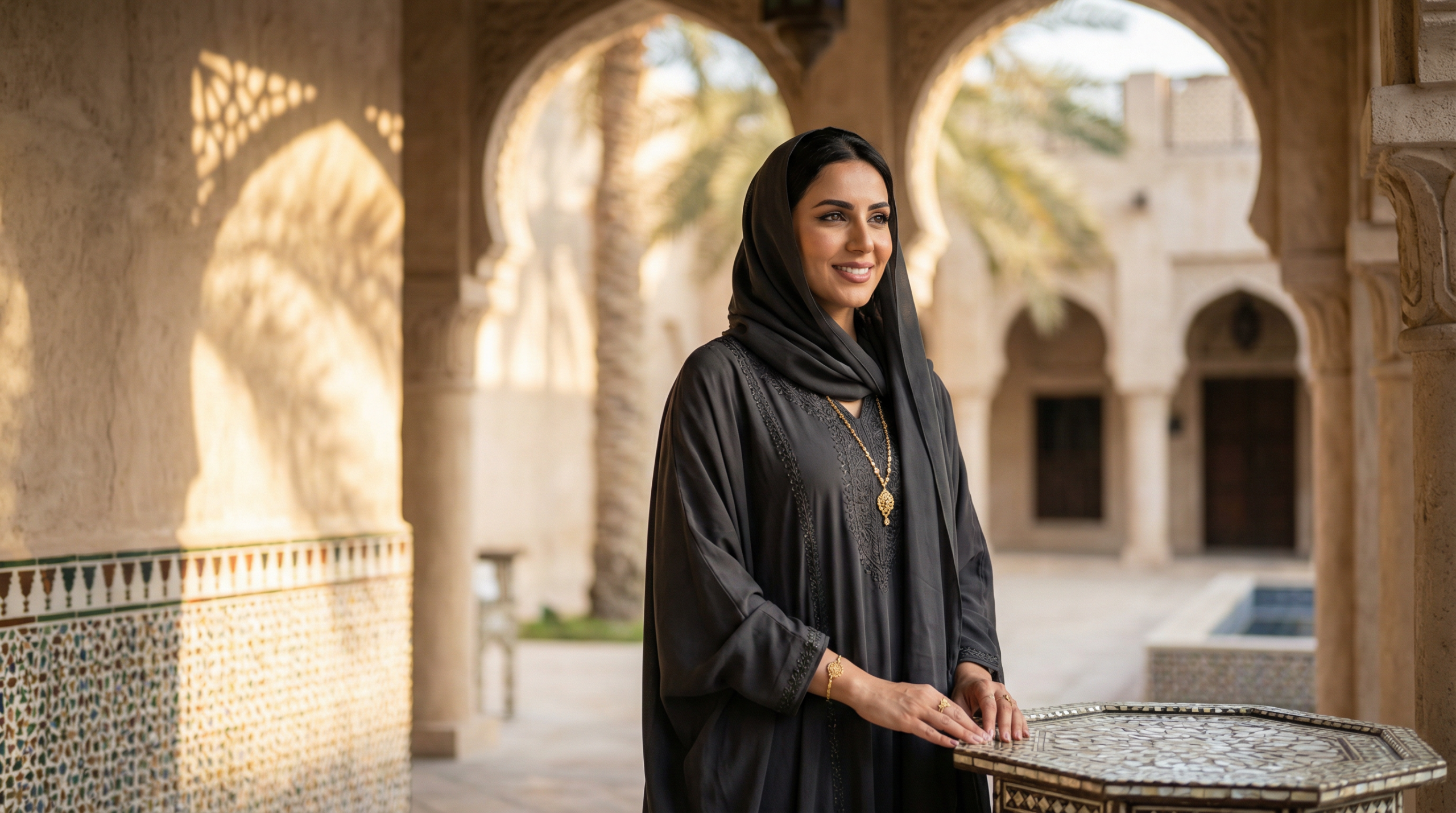

The Essence of Al Hosn Festival: A Celebration of Emirati Heritage
Al Hosn Festival returns to Abu Dhabi in 2026 as a vibrant celebration of Emirati culture, history, and artistic expression. Set against the majestic backdrop of Qasr Al Hosn, the UAE’s oldest stone building, this annual event transforms the historic fort into a living museum where tradition meets contemporary creativity.
For fashion-conscious attendees, the festival presents a unique opportunity to honor heritage through thoughtful sartorial choices. The event’s atmosphere calls for ensembles that speak to both respect for cultural legacy and appreciation for refined aesthetics. Walking through exhibitions, performances, and artisan markets requires attire that balances elegance with practical comfort.
Beyond Trends: Weaving Heritage into Modern Modest Fashion
Dressing for Al Hosn Festival transcends simply following seasonal trends. The most meaningful approach involves understanding how traditional Emirati dress elements can inform contemporary modest styling. Historical garments featured intricate handwork, natural fabrics suited to the climate, and silhouettes designed for graceful movement.
Modern interpretations of these principles allow for personal expression while maintaining cultural resonance. This philosophy transforms festival attire from mere clothing into a form of participatory respect—acknowledging the stories and craftsmanship that define Emirati identity. The fabrics you choose, the embellishments you favor, and the proportions you select all contribute to this dialogue between past and present.
Five Exemplary Modest Looks for Al Hosn Festival 2026
The Embroidered Thoub Revival: Begin with a long, flowing thoub-inspired dress in natural linen or lightweight cotton. Seek pieces featuring traditional talli embroidery along the neckline and cuffs—this metallic threadwork once adorned Emirati women’s garments and adds authentic detail. Pair with a matching shayla in complementary tones. This ensemble honors historical silhouettes while providing exceptional comfort for hours of festival exploration.
The Contemporary Bisht Statement: Layer a structured bisht-inspired outer robe over a simple midi dress. Choose rich jewel tones like sapphire or emerald, reflecting the gemstones once traded through regional markets. The bisht’s clean lines and ceremonial heritage make it particularly appropriate for cultural events. Complete the look with minimalist leather flats in matching tones.
The Artisan-Inspired Ensemble: Select a wide-leg trouser and tunic set featuring geometric embroidery patterns reminiscent of traditional Sadu weaving. These designs, historically created by Bedouin women, carry deep cultural significance. Opt for natural fabric colors—sand, cream, or soft terracotta—that echo the desert landscape. Add a lightweight scarf with subtle embellishment.
The Refined Kaftan Interpretation: Choose a modern kaftan with strategic tailoring that maintains modesty while offering elegant drape. Look for pieces incorporating mother-of-pearl button details, nodding to the UAE’s pearling heritage. Floor-length cuts in breathable fabrics work beautifully for both daytime and evening festival activities. Pair with cushioned sandals featuring traditional-inspired metalwork.
The Heritage Color Palette Look: Build an outfit around historically significant colors—deep indigo (from traditional natural dyes), pristine white (symbolizing purity), or warm saffron (representing hospitality). A color-blocked abaya in these tones, paired with contrasting accessories, creates visual interest while maintaining cultural authenticity. Choose block-heeled mules for comfortable walking without sacrificing sophistication.
Accessorizing with Authenticity: The Art of Subtle Statements
Accessories serve as the punctuation marks of festival attire. Traditional silver jewelry, particularly pieces featuring intricate filigree work, adds heritage depth without overwhelming modest ensembles. Consider statement earrings or a delicate hand chain.
Footwear deserves careful consideration for outdoor cultural events. Embellished leather sandals with arch support or elegant flats with traditional motifs maintain comfort during extended festival days. Avoid stilettos that sink into ground surfaces or cause discomfort after hours of standing.
Gemstone-Infused Fragrances: Completing Your Heritage Homage
Fragrance functions as an invisible layer of cultural expression at heritage events. Gemstone-infused perfumes—those incorporating crushed minerals like pearl, amber, or turquoise—connect to regional traditions of natural luxury. The Middle Eastern perfumery heritage emphasizes rich, complex compositions featuring oud, rose, and precious resins.
When selecting festival fragrances, consider long-lasting formulations that evolve throughout the day. Concentrated perfume oils, traditional to the region, offer impressive staying power without overwhelming in crowded spaces. Apply to pulse points and allow the scent to meld with your body chemistry.
Key Takeaways for Al Hosn Festival Dressing
Approaching Al Hosn Festival 2026 with intentional fashion choices transforms attendance from passive observation to active cultural participation. By selecting ensembles that reference traditional elements—through embroidery techniques, historical silhouettes, heritage colors, or regional craftsmanship—attendees honor the festival’s deeper purpose. Remember that authentic style emerges from understanding cultural context while expressing personal aesthetic preferences. Focus on quality natural fabrics, comfortable yet elegant footwear, and thoughtful accessories that tell stories beyond surface trends. Your presence at this celebration of Emirati heritage becomes more meaningful when your attire reflects genuine appreciation for the traditions being honored.