
No products added!
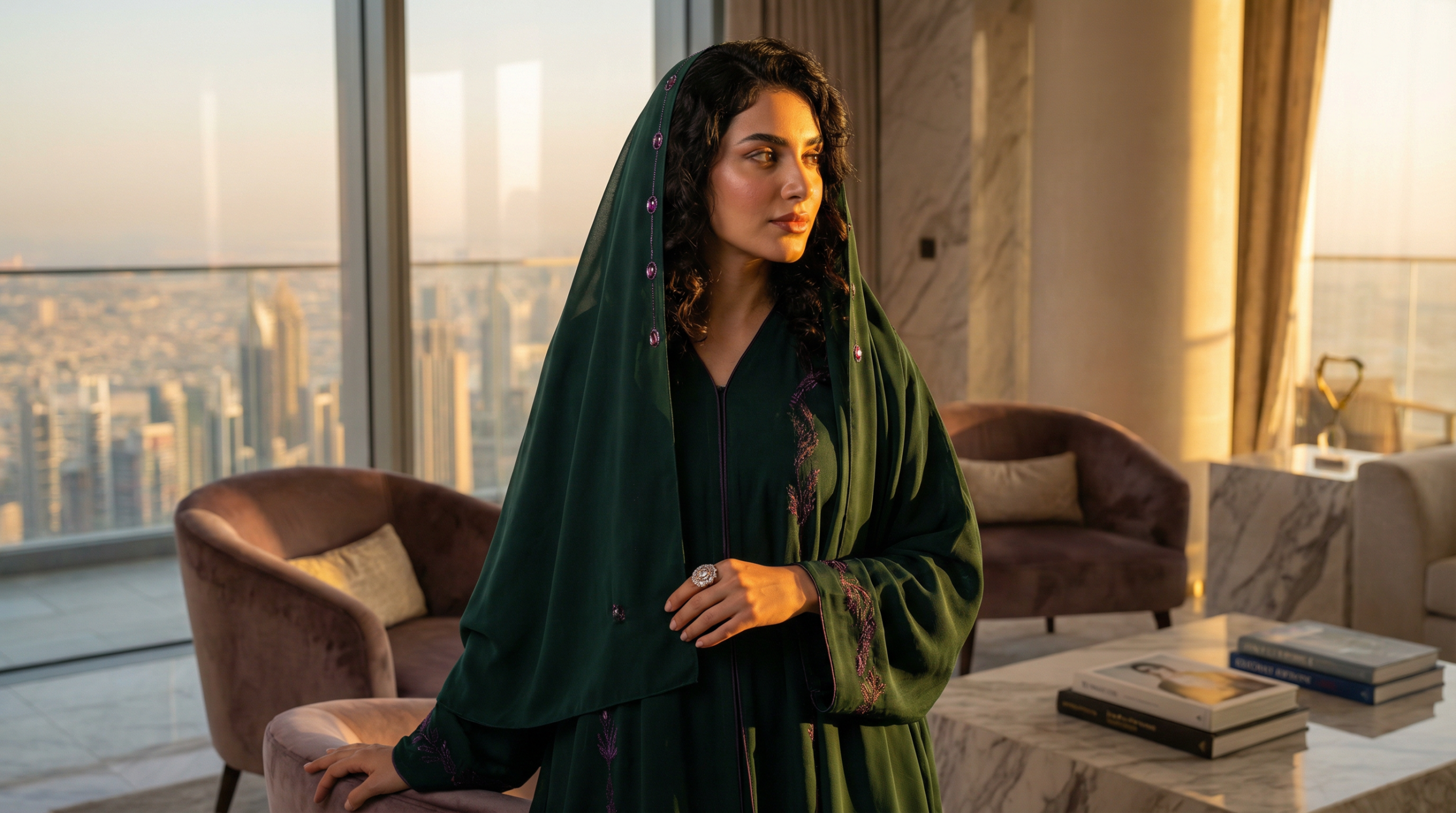

The Evolving Canvas: Abaya Colors Beyond Tradition for 2026
The abaya has long been celebrated as a cornerstone of modest fashion, traditionally rendered in elegant blacks, sophisticated navies, and understated beiges. Yet 2026 marks a pivotal moment where fashion-conscious women across the GCC are embracing a more adventurous palette without compromising modesty or cultural respect.
This evolution reflects a broader shift in how modest fashion intersects with personal expression. The modern abaya wearer seeks garments that honor tradition while reflecting individual style narratives. Color becomes the language through which this balance is articulated—allowing women to showcase creativity while maintaining the grace and dignity central to modest dressing.
The key lies not in abandoning classic neutrals entirely, but in thoughtfully introducing unexpected color combinations that elevate the abaya from practical garment to statement piece.
Harmonious Contrasts: Unexpected Jewel Tones & Earthy Blends
Winter 2026 brings a sophisticated embrace of jewel-toned pairings that capture light beautifully under the Gulf sun. Consider an emerald green abaya paired with deep amethyst accessories—the cool richness of these hues creates a regal aesthetic perfect for evening gatherings or special occasions.
Sapphire blue combined with marsala offers another striking option. The deep berry undertone of marsala grounds the vibrancy of sapphire, creating a pairing that feels both luxurious and grounded. This combination works exceptionally well when the abaya features subtle embroidery or textural details that catch the eye without overwhelming.
For those seeking earthier sophistication, chocolate brown paired with burnt orange delivers warmth and approachability. This unexpected duo evokes the natural landscape of the Arabian Peninsula while maintaining a contemporary edge. The key is choosing rich, saturated versions of these colors rather than muted variations.
Soft Power: Pastel Pairings with a Bold Edge
Pastels might seem delicate, but 2026’s approach to these softer hues demonstrates their powerful versatility. Lavender paired with soft mint creates an ethereal combination that feels fresh and modern, particularly during daytime events or when styled with silver accessories.
Dusty rose combined with sky blue offers romantic elegance with an unexpected twist. This pairing works beautifully for those who appreciate feminine aesthetics while seeking something beyond traditional pinks. The contrast between warm and cool tones prevents the look from appearing overly sweet.
The sophistication of pastel pairings lies in their subtlety. These combinations allow fabric quality and cut to take center stage, making them ideal choices for premium materials like silk crepe or fine wool blends that drape elegantly.
Monochromatic Magic: Depth Through Tonal Experimentation
Perhaps the most underutilized technique in abaya styling is tonal layering within a single color family. This approach creates visual interest through depth rather than contrast, resulting in an effortlessly polished appearance.
Various shades of teal—from deep ocean to lighter aquamarine—can be layered to create dimension. Start with a darker abaya base, add a mid-tone hijab, and finish with lighter accessories. This gradient effect feels intentional and artful.
Similarly, working within the burgundy family allows for richness without overwhelming. Combine wine, crimson, and rose tones for a monochromatic look that reads as sophisticated rather than monochrome. The variation in intensity prevents the ensemble from appearing flat while maintaining cohesion.
Accessorizing with Intent: Hijab & Footwear Color Coordination
Even the most thoughtful abaya color choice can be undermined by mismatched accessories. The hijab serves as the primary bridge between the abaya and the overall color story, making it the most critical accessory to consider.
When working with jewel-tone combinations, opt for hijabs in complementary metallics—gold with emerald and amethyst, silver with sapphire and marsala. This addition of shimmer elevates the entire ensemble without competing with the primary colors.
Footwear should either echo one of the existing colors or introduce a neutral anchor. Metallics again prove versatile here, but consider also how bone, taupe, or even deep charcoal can ground unexpected color pairings. The goal is cohesion without complete matching, allowing each element to contribute to the overall harmony.
Cultivating Your Signature: Embracing Color Confidence
Developing confidence with unexpected color pairings requires experimentation and self-awareness. Start by identifying which color families naturally complement your skin tone and personal aesthetic preferences. Consider the occasions where you’ll wear these combinations—professional settings might call for subtler contrasts, while social gatherings allow for bolder experimentation.
Pay attention to how different fabrics interact with color. Matte finishes create different effects than those with subtle sheen, and textured materials like jacquard or brocade add another dimension to color perception.
Remember that color carries cultural and emotional significance throughout the GCC. While embracing innovation, remain mindful of context and setting. The beauty of these unexpected pairings lies in their ability to honor tradition while expressing contemporary sensibility.