
No products added!
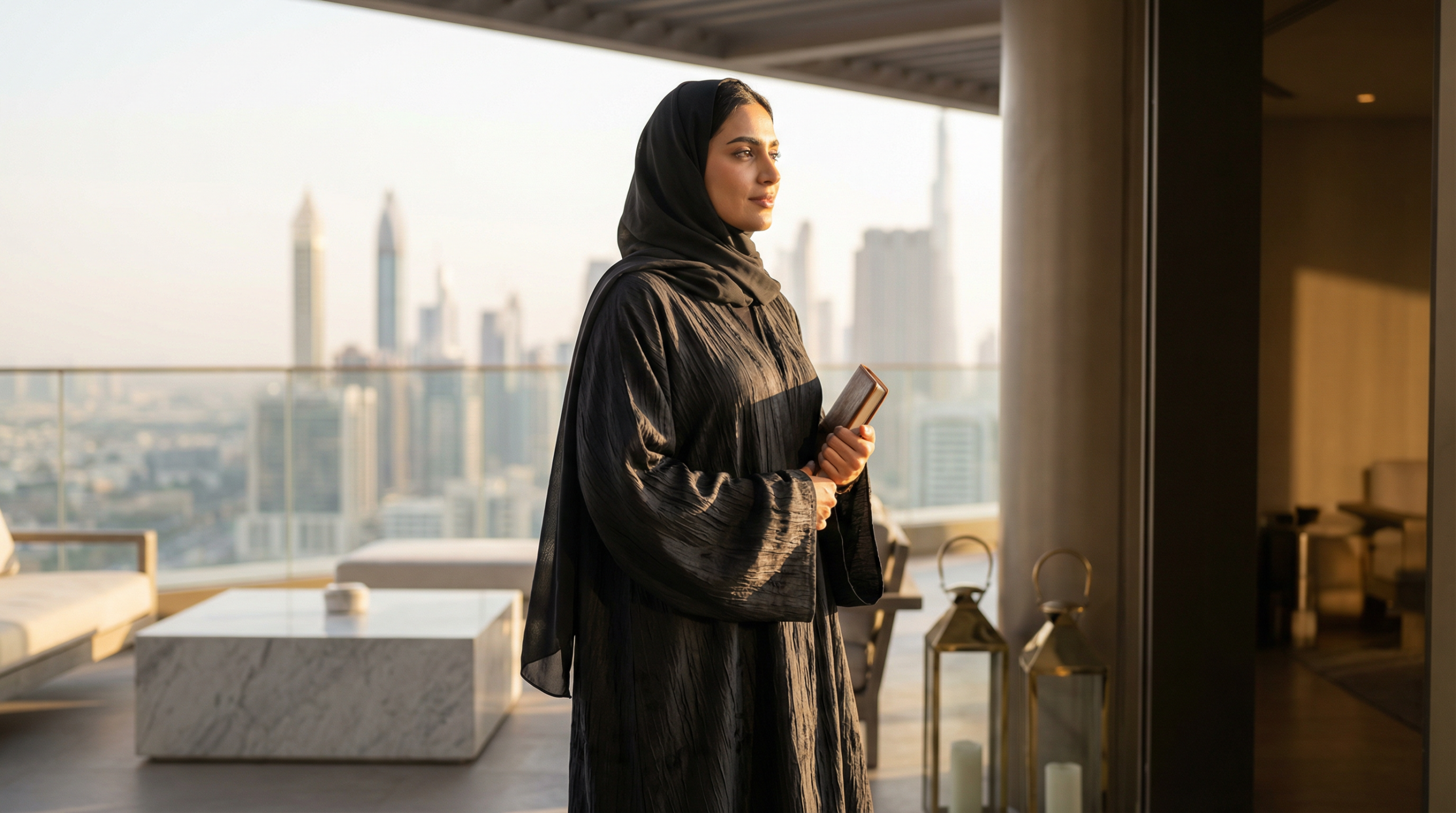

Beyond the Suds: Unmasking the True Abaya Fading Culprit
When your favorite abaya begins to lose its rich, deep color, the immediate instinct is to blame the detergent. Perhaps you switched brands recently, or maybe you’ve been using too much powder in each wash. While harsh washing agents certainly play a role in fabric degradation, they’re not the primary villain in this story.
The truth is far simpler and more insidious: direct sunlight exposure during drying is the number one cause of abaya fabric fading. In the intense UAE and GCC climate, where temperatures regularly exceed 40°C during summer months and UV radiation remains strong even in winter, those few hours of sun-drying can cause more damage than months of gentle washing.
Many women across Dubai, Riyadh, and throughout the Gulf region unknowingly sabotage their garments by hanging them in direct sunlight after washing. The cultural habit of line-drying outdoors—a practice passed down through generations—becomes problematic when applied to delicate abaya fabrics without proper shade protection.
Understanding Abaya Fabric Sensitivities: A Deeper Dive
Not all abaya fabrics respond equally to environmental stressors, making fabric knowledge essential for proper care. Nida fabric, beloved for its soft drape and affordability, contains synthetic fibers particularly vulnerable to UV degradation. When exposed to direct sunlight, the molecular bonds in these fibers break down rapidly, causing visible fading within weeks.
Crepe abayas, known for their elegant texture and slight sheen, face similar challenges. The twisted yarn construction that gives crepe its distinctive appearance also creates more surface area for light absorption. This means faster color deterioration when dried under harsh sun.
Saudi silk and Japanese satin abayas present their own unique concerns. These premium fabrics often feature deeper dyes that create their luxurious appearance, but these same rich pigments are photosensitive. Prolonged sun exposure causes oxidation, turning black abayas into brownish-grey shadows of their former glory.
Even natural fiber abayas made from cotton or linen blends aren’t immune. While these materials may be more resilient overall, the dyes used to achieve those perfect blacks, navy blues, and jewel tones remain susceptible to UV damage.
Safeguarding Your Abaya: Practical Steps for Lasting Radiance
The solution lies not in expensive specialty detergents, but in rethinking the drying process entirely. After washing, shake out excess water gently and hang your abaya in a shaded, well-ventilated area. Indoor drying near a window with indirect light provides ideal conditions. If space permits, dedicated drying rooms with fans offer excellent results.
For those without indoor drying options, strategic outdoor placement makes a significant difference. Hang abayas on covered balconies, under building overhangs, or in naturally shaded courtyard areas. The goal is consistent airflow without direct solar radiation. Early morning or late afternoon drying, when UV intensity decreases, provides an additional safety margin.
Turning abayas inside-out before hanging creates a protective barrier. This simple step shields the visible outer fabric from any incidental light exposure while allowing proper air circulation. The technique proves especially valuable for embellished or embroidered pieces where decorative elements add complexity to the drying process.
Consider investing in fabric-safe UV protective sprays designed for delicate textiles. Applied after washing and before drying, these treatments create an invisible shield against photodegradation. Traditional Arabic garment care practices also offer wisdom—some women add a small amount of white vinegar to rinse water, which helps set dyes and provides mild protection against fading.
The Cultural Significance of a Well-Maintained Abaya
In Gulf culture, the abaya represents more than modest dressing—it embodies personal style, cultural identity, and often significant financial investment. A well-maintained abaya reflects attention to detail and respect for traditional values while demonstrating modern sophistication.
The longevity of these garments matters both practically and symbolically. When an abaya retains its original color depth and fabric integrity through years of wear, it becomes a trusted wardrobe staple. This durability aligns with sustainable fashion principles gaining prominence across the region in 2026, where quality and longevity triumph over fast fashion cycles.
Understanding proper care techniques honors both the craftsmanship behind these garments and the cultural heritage they represent. Each time you protect your abaya from damaging sunlight, you’re preserving not just fabric, but tradition.
Key Takeaways for Abaya Preservation
The path to maintaining vibrant, fade-resistant abayas centers on sun protection during the drying process. Recognize that different fabrics require tailored approaches based on their specific vulnerabilities. Implement shade-drying as your standard practice, supplemented by inside-out hanging and strategic timing.
By making these simple adjustments to post-wash care routines, you can extend the life of your abayas significantly while maintaining their elegant appearance. The investment of a few extra minutes in mindful drying techniques yields years of continued wear and sustained beauty.