
No products added!
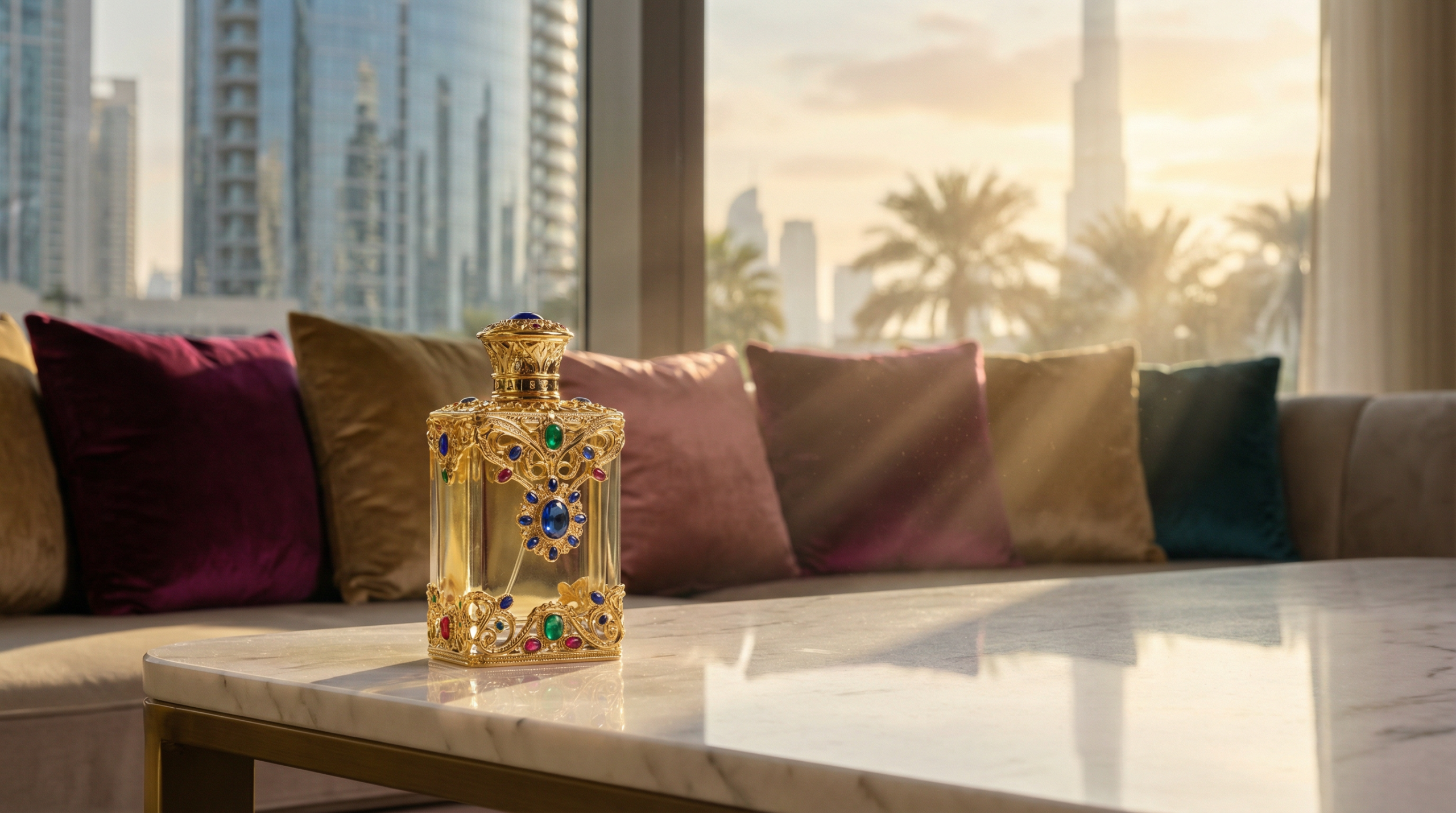

The Evolving Scent-scape: Why ‘Beyond Bakhoor’ Matters in 2026
The fragrance landscape across the GCC has undergone a remarkable transformation. While bakhoor remains a beloved tradition in Middle Eastern homes, 2026 marks a pivotal moment where discerning women are embracing a broader spectrum of Arabic perfumery. This evolution isn’t about abandoning heritage—it’s about expanding it.
The shift reflects a growing sophistication in how we approach personal scenting. Rather than limiting fragrances to home incense alone, today’s fashion-conscious women integrate luxurious perfume oils, attars, and alcohol-free sprays into their daily routines. This holistic approach to scent honors tradition while meeting contemporary lifestyle needs, creating a personal fragrance wardrobe as carefully curated as a modest fashion collection.
Tracing the Roots: A Brief History of Arabic Perfumery’s Enduring Legacy
Arabic perfumery boasts a lineage stretching back millennia, deeply rooted in trade routes, Islamic traditions, and ancient wisdom. Long before European perfume houses emerged, Arabian perfumers were master craftsmen distilling precious essences from oud, amber, musk, and rose.
The art was never merely cosmetic. In Arab culture, wearing beautiful scents represents an act of personal dignity and respect for others. The Prophet Muhammad (peace be upon him) emphasized the importance of pleasant fragrance, elevating perfumery to a spiritual practice. This cultural foundation explains why scent remains so integral to identity in the region today.
Historical perfume-making techniques—cold enfleurage, steam distillation, and aging in specialty containers—continue to influence contemporary perfumers who honor these time-tested methods while innovating for modern preferences.
Notes of Nuance: Unpacking the Pillars of Modern Arabic Fragrance
Understanding the fundamental building blocks of Arabic perfumery empowers more intentional scent choices. Oud, derived from agarwood, remains the cornerstone—complex, woody, and deeply resinous. Its intensity varies from smoky and leathery to sweet and medicinal, depending on origin and processing.
Musk brings warmth and sensuality, while amber (a blend rather than a single ingredient) creates sweet, powdery depth. These heavier base notes anchor Arabic compositions, providing extraordinary longevity.
Floral elements like Damascus rose, jasmine, and orange blossom soften the intensity, adding elegance and brightness. Spices—saffron, cardamom, and clove—introduce exotic warmth without overwhelming. This layering philosophy creates fragrances that evolve throughout the day, revealing different facets as they interact with body chemistry.
The Art of Adornment: Scenting Modest Fashion for Discerning Women
Fragrance serves as the invisible accessory completing any modest fashion ensemble. Strategic application enhances personal presence while respecting cultural norms around subtlety and sophistication.
For everyday wear with casual abayas or modest separates, lighter compositions featuring rose, sandalwood, or white musk provide gentle elegance. Apply oil-based perfumes to pulse points—wrists, behind ears, and the base of the throat—where warmth helps diffusion.
Special occasions call for richer, more complex blends. Oud-based compositions pair beautifully with embellished occasion wear, creating an aura of luxury. Consider layering: start with an unscented moisturizer, apply a lighter attar as a base, then finish with a signature oud blend. This technique builds depth while controlling intensity.
Hair scenting holds particular cultural significance. Specialized hair mists or diluted attars applied to scarves create a subtle fragrance trail that moves with you, leaving a memorable yet modest impression.
Perfumery as Wellness: Integrating Aromas for Mind, Body, and Spirit
The therapeutic dimensions of Arabic perfumery extend beyond beauty into genuine wellness. Aromatherapy principles align naturally with traditional perfume ingredients used for centuries across the region.
Sandalwood promotes calm and mental clarity—ideal for meditation or evening prayers. Rose offers emotional balance and upliftment, while frankincense supports respiratory wellness and spiritual grounding. These aren’t marketing claims but documented benefits recognized in both traditional wisdom and contemporary aromatherapy research.
Creating intentional scent rituals transforms fragrance from accessory to self-care practice. Morning application can set positive intentions for the day. Evening scenting with calming notes signals transition into rest and reflection. This mindful approach deepens the relationship with perfume, honoring its historical role in spiritual and emotional wellbeing.
East Meets West: The Harmonious Future of Arabic Perfume Craftsmanship
The global perfume industry in 2026 increasingly looks eastward for inspiration, creating exciting cross-cultural dialogues. International perfumers now train in Gulf states, learning traditional distillation while bringing contemporary techniques. Conversely, Arab perfumers experiment with Western ingredients and compositions, creating innovative fusions.
This exchange enriches both traditions without diluting either. The result is a new generation of fragrances honoring Arabic heritage while speaking to global sensibilities—accessible to younger generations and international audiences while maintaining authentic roots.