
No products added!
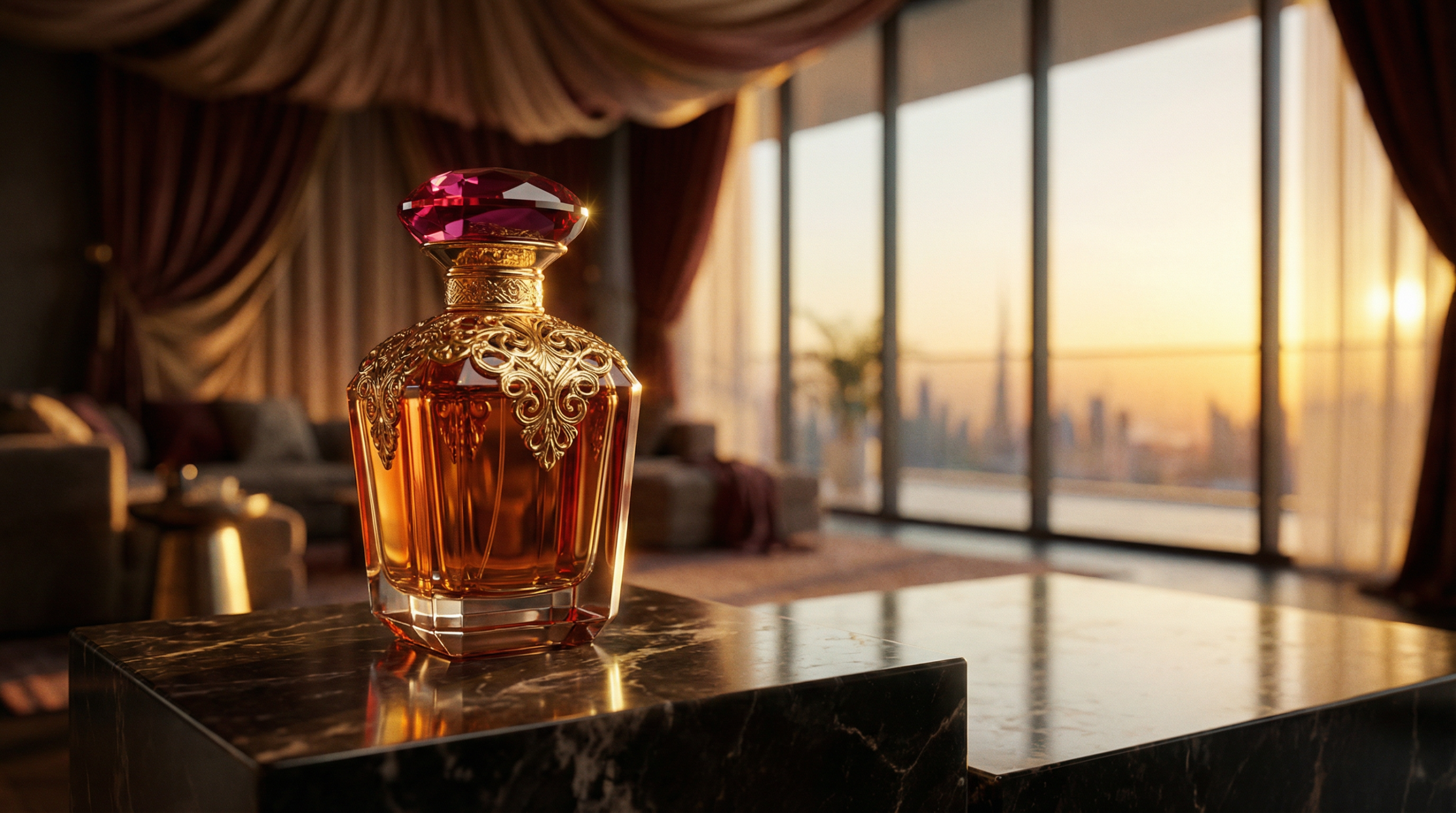

The creation of a luxury perfume is an intimate journey that begins long before the first drop touches glass. In 2026, as the fragrance industry continues to honor traditional Middle Eastern perfumery while embracing innovation, understanding the artistry behind each scent reveals a world where culture, craftsmanship, and creativity converge.
The Genesis of a Scent: From Concept to Olfactory Sketchbook
Every fragrance begins with a vision—a fleeting memory, a texture, or an emotion waiting to be captured. Master perfumers maintain olfactory sketchbooks, much like fashion designers keep fabric swatches and mood boards. These aren’t simple lists of ingredients, but rather detailed maps of sensory experiences.
The conceptual phase involves extensive research into cultural contexts, seasonal moods, and emerging lifestyle trends. A perfumer might draw inspiration from the way evening light filters through mashrabiya screens or the sensation of silk crepe de chine against skin. These abstract concepts gradually transform into tangible scent profiles through hundreds of trial blends.
Initial formulations undergo rigorous testing, with adjustments made to balance top, heart, and base notes. This process can take anywhere from six months to several years, as each iteration must resonate with the intended emotional narrative while maintaining olfactory harmony.
Echoes of Elegance: Modest Arabic Fashion as Muse for Perfumery
The connection between modest Arabic fashion and perfumery runs deeper than surface aesthetics. The flowing silhouettes of contemporary abayas, the intricate geometry of embroidery, and the luxurious weight of premium fabrics all translate into scent language.
Consider how the graceful drape of fabric mirrors the way fragrance unfolds on skin—layer by layer, revealing complexity over time. The subtle shimmer of pearl embellishments finds its olfactory equivalent in luminous white musks and soft amber accords. Deep jewel tones popular in Gulf fashion—emerald greens, sapphire blues, and ruby reds—inspire equally rich fragrance compositions featuring precious woods, rare florals, and sophisticated spice blends.
This synergy reflects a broader philosophy: both fashion and fragrance serve as expressions of personal identity while honoring cultural values of elegance and refinement. The modesty in clothing finds its parallel in perfumery through scents that whisper rather than shout, creating an intimate aura around the wearer.
The Alchemist’s Pantry: Sourcing Rare and Precious Ingredients Responsibly
The quest for exceptional raw materials defines luxury perfumery. Oud, one of the most prized ingredients in Middle Eastern fragrance traditions, presents both opportunity and responsibility. Authentic agarwood comes from Aquilaria trees found across Southeast Asia, and sustainable harvesting practices have become paramount in 2026.
Ethical sourcing extends beyond oud to include rare rose absolutes from Taif, frankincense from Oman’s Dhofar region, and precious sandalwood. Reputable suppliers now provide full transparency regarding harvest methods, fair labor practices, and environmental impact. This traceability ensures that each ingredient carries not just exceptional quality but also integrity.
The GCC region’s historic role in the perfume trade means cultural expectations around ingredient authenticity remain high. Discerning consumers recognize the difference between synthetic approximations and genuine botanical extracts, making responsible sourcing both an ethical imperative and a mark of true luxury.
Masters of Blend: Traditional Arabic Perfumery Meets Modern Craft
Arabic perfumery traditions stretch back millennia, with techniques like attar distillation and bakhoor blending representing refined art forms. Contemporary perfumers trained in both classical French parfumerie and traditional Middle Eastern methods bring unique perspectives to fragrance creation.
The attar method, which involves distilling botanicals into sandalwood oil rather than alcohol, produces intensely concentrated, alcohol-free perfumes cherished in Islamic culture. Modern interpretations may combine this technique with innovative extraction methods that preserve delicate top notes while maintaining the depth traditional attars offer.
Bakhoor preparation—the art of blending fragrant woods, resins, and essential oils for burning—informs contemporary perfumery through its emphasis on rich, resinous base notes and the ritual aspect of scent application. These heritage techniques ensure that new fragrances remain culturally resonant while appealing to global luxury markets.
Beyond the Bottle: Sustainability and Legacy in Fragrance Creation
The fragrance industry in 2026 increasingly recognizes that true luxury encompasses environmental stewardship. Sustainable practices now extend from ingredient sourcing through packaging design, with many perfumers choosing refillable bottle systems and recyclable materials that reduce waste.
The integration of gemstone-inspired elements in bottle design serves both aesthetic and symbolic purposes. While actual gemstone “infusion” remains conceptual rather than chemical, the symbolism resonates deeply within Gulf culture, where precious stones represent protection, blessing, and enduring value.
Creating a fragrance with longevity in mind—both in terms of scent performance and cultural relevance—requires vision beyond immediate trends. The most successful perfumes become olfactory heirlooms, passed between generations as cherished signatures of family identity and personal style.
The Essence of Artistry
Understanding the journey from initial vision to finished vial transforms how we experience fragrance. Each scent represents countless hours of creative exploration, ethical sourcing decisions, and technical mastery. By appreciating the craftsmanship, cultural heritage, and sustainable practices behind luxury perfumery, consumers make more informed, meaningful choices. The next time you encounter a beautifully crafted fragrance, remember: you’re experiencing the culmination of ancient traditions, modern innovation, and an artist’s unwavering commitment to olfactory excellence.